The Seasonal Textile Hibernation Protocol: Mastering Fabric Longevity
Learn the professional method for cleaning, treating, and storing your seasonal wardrobe to prevent moth damage and fabric degradation.
Why Your Clothes Need a Hibernation Cycle
Most of us treat our closets like a revolving door, throwing clothes in a pile or hanging them haphazardly when the weather turns. However, textiles are organic materials that breathe, age, and attract pests. By implementing a formal 'hibernation protocol,' you shift from merely storing items to actively preserving them. This extends the life of high-quality wools, linens, and silks by years, preventing the common tragedy of discovering moth holes or permanent yellowing stains when you pull your favorite coat out next autumn.
Phase 1: The Integrity Audit and Cleaning
Never store a garment that hasn't been cleaned. Even if a sweater looks pristine, invisible traces of skin cells, sweat, and perfume act as a dinner bell for silverfish and moths. Before packing, follow these steps:
- Check for damage: Inspect every hem, underarm, and buttonhole. If a thread is loose or a button is hanging, fix it now. Storing damaged clothes ensures they stay damaged.
- Deep clean according to material: Dry clean wool blazers or heavy coats. For machine-washable items, use a gentle, fragrance-free detergent. Avoid fabric softeners, as they leave a residue that can attract pests over time.
- Air dry completely: This is critical. Residual moisture is the number one cause of mold and mildew in storage containers. Ensure your items are bone-dry before proceeding.
Never store wool or silk in plastic dry-cleaning bags. These traps moisture and encourage yellowing. Use breathable cotton garment bags or acid-free tissue paper instead.
Phase 2: Pest Prevention and Environmental Control
Chemical mothballs are toxic and leave a pungent odor that is nearly impossible to remove from wool. Instead, use natural deterrents that work through olfactory disruption. Cedar blocks and dried lavender sachets are your best line of defense. However, these only work if the storage container is sealed correctly.
Use airtight, clear plastic bins or vacuum-seal bags for items you know are clean. For high-end natural fibers like cashmere or alpaca, opt for breathable storage boxes that allow the material to 'breathe' while keeping pests out. Place your deterrents at the bottom, middle, and top of the container to ensure the scent profile is consistent throughout the stack.
Phase 3: The Strategic Storage Hierarchy
Where you store your items matters as much as how. Avoid attics and basements where temperature fluctuations cause fibers to expand and contract, weakening the structural integrity of the fabric. The ideal location is a cool, dark, and dry closet interior.
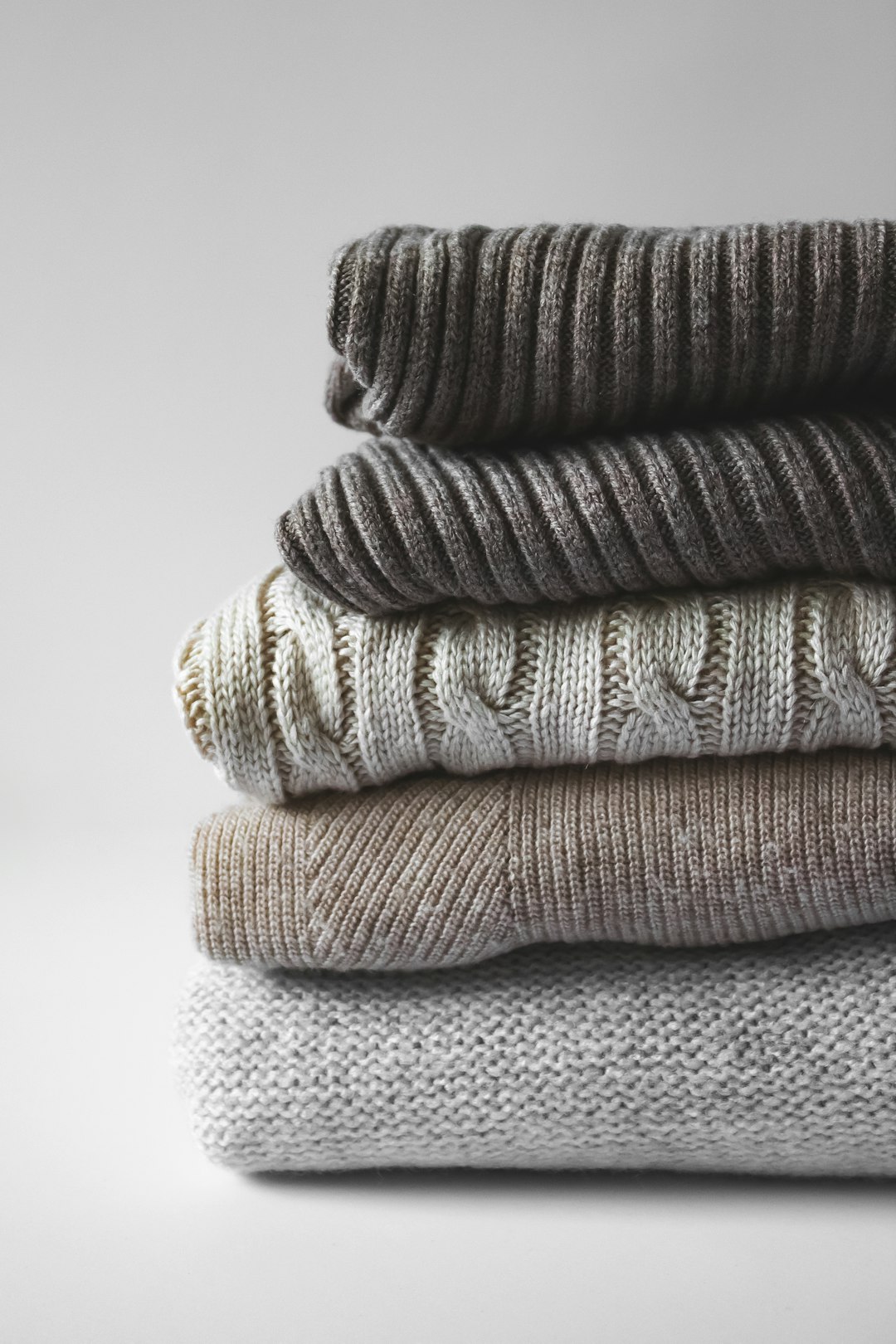
- Fold heavy items: Sweaters should never be hung, as they will stretch under their own weight. Fold them neatly and stack them no more than three high.
- Support the structure: Use acid-free tissue paper between folds to prevent deep creases that can eventually lead to fabric breakage.
- Labeling: Place a small index card inside or on the front of each bin detailing the contents and the date of cleaning. This prevents you from opening containers unnecessarily, which introduces moisture and humidity.
Common Mistakes and Final Tips
The most frequent error is 'hopeful storage'—keeping things you don't actually wear because you feel guilty. If an item didn't make it into your rotation during the season, donate it before the hibernation process begins. Additionally, remember to rotate your cedar blocks; lightly sand them with fine-grit sandpaper every six months to refresh the essential oils that repel insects. By treating your clothes as an investment portfolio rather than disposable goods, you maintain a wardrobe that looks new for a decade, saving you significant money and reducing your environmental impact.