The Curated Vinyl Cataloging Protocol: Organizing Your Collection for Meaningful Discovery
Transform your chaotic stack of records into an intentional archive that invites discovery and respects your sonic investment.
Why Your Collection Needs a Systematic Audit
Most vinyl enthusiasts start with a pile of records they love, but quickly find that as the collection grows past the fifty-record mark, the 'discovery friction' increases exponentially. You stop listening to hidden gems because you cannot remember where they are, or you keep buying duplicates because your mental inventory is unreliable. A curated cataloging protocol isn't about rigid bureaucracy; it's about removing the barrier between you and your music. When you know exactly what you own and how to access it, you stop 'collecting' and start 'curating'.
This protocol focuses on three pillars: physical organization, digital tracking, and the audit loop. By treating your records as an active library rather than decorative clutter, you ensure that every disc earns its shelf space. The goal is to move from a random stack to a system where you can locate any album in under ten seconds.
Phase 1: The Physical Consolidation
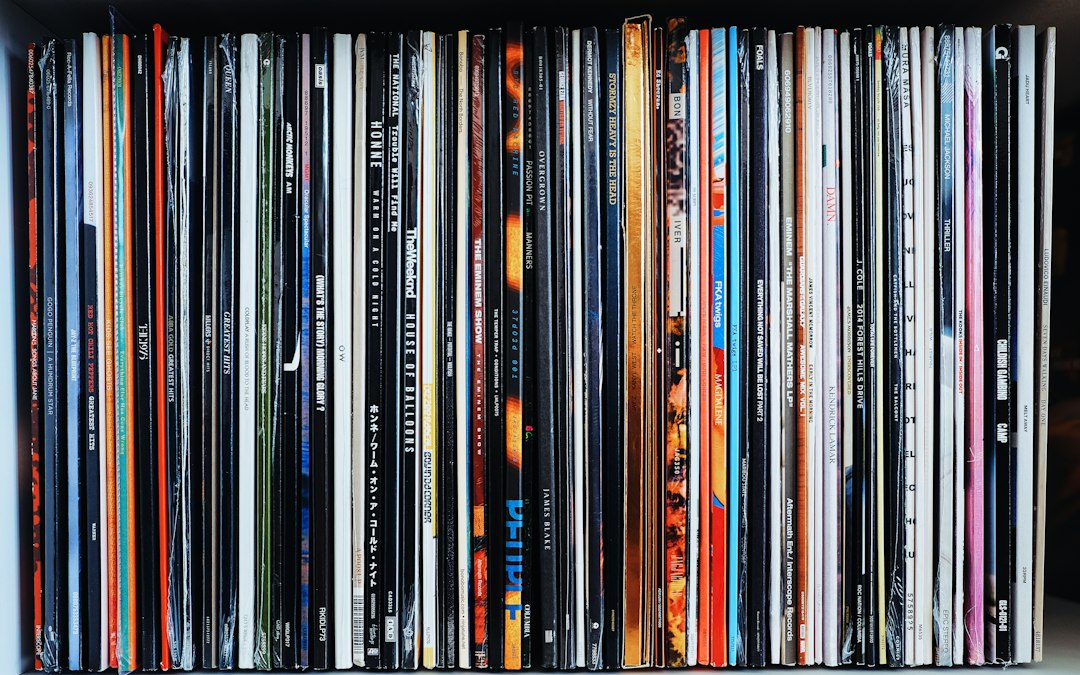
Before you touch a computer, you must organize the physical space. Use the 'Genre-Artist-Chronology' (GAC) method. First, divide your records into broad genres (Jazz, Rock, Electronic, Classical, etc.). Within those genres, alphabetize by artist last name. Finally, order the artist's discography chronologically. This mimics the way we consume music—by mood, then by artist evolution.
- Use plastic outer sleeves for every record to prevent ring wear.
- Place dividers with clear labels for each genre to define the boundaries of your collection.
- Keep a dedicated space for 'Current Rotation' (records you intend to listen to this week) to prevent cluttering the main shelves.
Common mistake: Organizing by color or album art. This is a nightmare for retrieval and makes it impossible to find specific tracks when your mood shifts.
Phase 2: The Digital Ledger
You need a source of truth that lives outside your physical shelves. While several apps exist, I recommend a spreadsheet-based approach for maximum control. Your inventory should track: Artist, Album Title, Label, Year of Pressing, Catalog Number, and Condition (media/sleeve). The catalog number is the most crucial detail; it allows you to identify the specific pressing of a record, which is vital for both resale value and knowing if you own a high-fidelity remaster or a budget reissue.
The value of a record collection is not in its total market price, but in the accessibility of the music contained within. If you can't find it, you don't really own it.
Spend one weekend logging 20 records at a time. Trying to do 500 in one go will lead to burnout. Use your phone to scan barcodes if you use an app, but always verify the pressing info manually to ensure accuracy.
Phase 3: The Maintenance Audit
The final step is the quarterly review. Every three months, look at your 'Current Rotation' and the rest of your collection. Did you listen to that obscure folk record in the back? If you haven't touched a record in two years, it is time to reassess. Ask yourself: Does this album still represent my taste? Is it a classic I need to keep, or just a placeholder?
- Sell or trade records that no longer spark interest to fund new acquisitions.
- Check the integrity of your inner sleeves; replace paper sleeves with anti-static archival versions if they are degrading.
- Update your spreadsheet immediately after every new purchase or sale to prevent data drift.
By keeping your collection lean and documented, you stop chasing 'more' and start appreciating 'better'. This protocol turns your living room into a curated listening space where every record has a story and a reason for being there.