The Ancient Hearth: A Honey-Glazed Fennel and Fig Flatbread Ritual
The Echoes of the Mediterranean Table
There is a quiet power in the simplest forms of nourishment. Before the industrial age transformed our kitchens, the hearth was the center of the home—a place where flour, water, and the gifts of the earth were transformed into sustenance. This recipe is an homage to the ancient Mediterranean tradition of the flatbread, a canvas for the seasonal harvest that has persisted for thousands of years. By combining the licorice-like crunch of fennel with the jammy sweetness of figs, we are not just cooking; we are participating in a historical continuum that values balance, texture, and the raw beauty of ingredients.
Preparing this dish is a meditative practice. It requires patience as the fennel caramelizes and the dough proves, allowing you to step away from the digital chaos of modern life. When you smell the combination of anise, honey, and toasted flour filling your kitchen, you are experiencing the same sensory landscape that travelers and farmers have known for centuries. This ritual is about reclaiming your kitchen as a sanctuary of slow living.
The Essential Components
To recreate this ancient flavor profile, you will need to source high-quality ingredients that prioritize freshness and depth of flavor. Do not rush the shopping process; the quality of your honey and the firmness of your fennel will dictate the success of the final dish.
- 2 cups all-purpose flour (or bread flour for a chewier crust)
- 1 teaspoon active dry yeast
- 1 teaspoon sea salt
- 1 tablespoon extra virgin olive oil
- 2 large fennel bulbs, thinly sliced
- 1 cup dried black mission figs, halved
- 3 tablespoons high-quality wildflower honey
- 1 tablespoon fresh thyme leaves
- 1/2 cup crumbled goat cheese or feta
- Flaky sea salt for finishing
The Ritual of Preparation
Begin by activating your yeast in warm water for about 10 minutes until it becomes frothy. Mix your flour and salt, then incorporate the yeast mixture and olive oil. Knead the dough for about 8 to 10 minutes until it is smooth and elastic. Cover it with a damp cloth and let it rest in a warm corner of your kitchen for one hour. While the dough rises, place your sliced fennel in a pan with a splash of olive oil over medium-low heat. Let it cook slowly for 20 minutes until it softens and turns a light golden brown—this process is crucial for unlocking the vegetable's natural sugars.
The secret to a perfect flatbread is the heat of your oven. Aim for 450 degrees Fahrenheit (230 Celsius) to ensure the exterior crisps before the interior dries out.
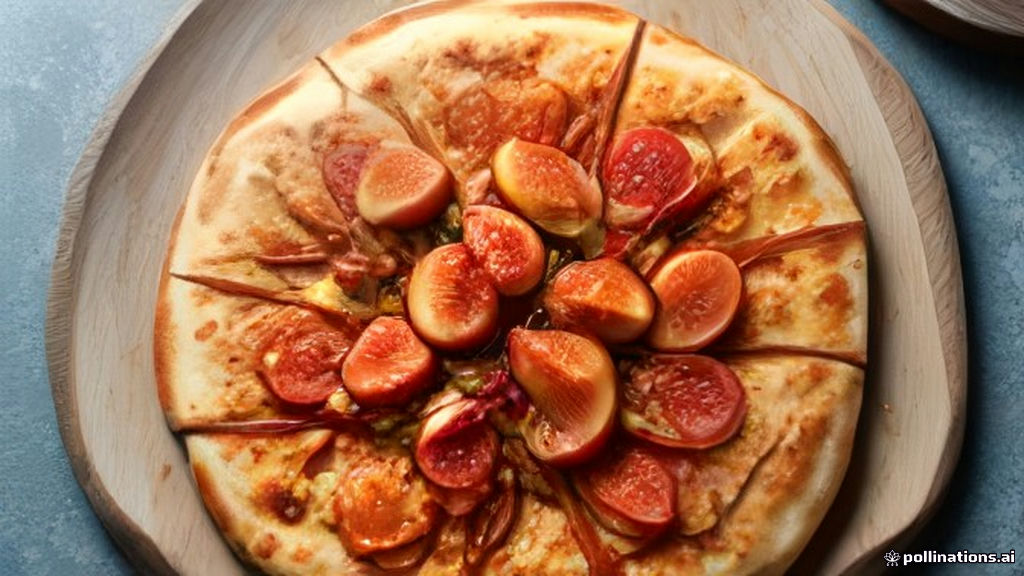
Once the dough has doubled, stretch it into an oval shape on a parchment-lined baking sheet. Arrange the caramelized fennel and the fig halves across the surface. Drizzle the honey generously over the top and sprinkle with fresh thyme. Bake for 12 to 15 minutes, until the edges are golden and blistered. Remove from the oven, immediately sprinkle the goat cheese or feta over the hot surface, and finish with a pinch of flaky sea salt.
Refining the Experience
This flatbread is best enjoyed with a glass of crisp, dry white wine or a sparkling mineral water infused with a slice of lemon. To elevate the experience, serve it on a wooden board rather than a plate, allowing everyone to tear off rustic, irregular pieces. This communal act of breaking bread is central to the history of the Mediterranean table and encourages conversation and connection.
If you find yourself wanting to experiment, consider these variations: a sprinkle of toasted walnuts adds a necessary crunch, while a zest of orange peel can brighten the deep sweetness of the figs. If you prefer a more savory profile, substitute the goat cheese with a sharp, aged pecorino. Whatever you choose, remember that this ritual is about intention. By slowing down the process of assembling these ancient flavors, you are honoring a legacy of culinary wisdom that has fed humanity for generations.