The Archaeology of the Tangled Cassette Tape: Why We Hoard Our Snarled Melodies
The Ghost in the Machine
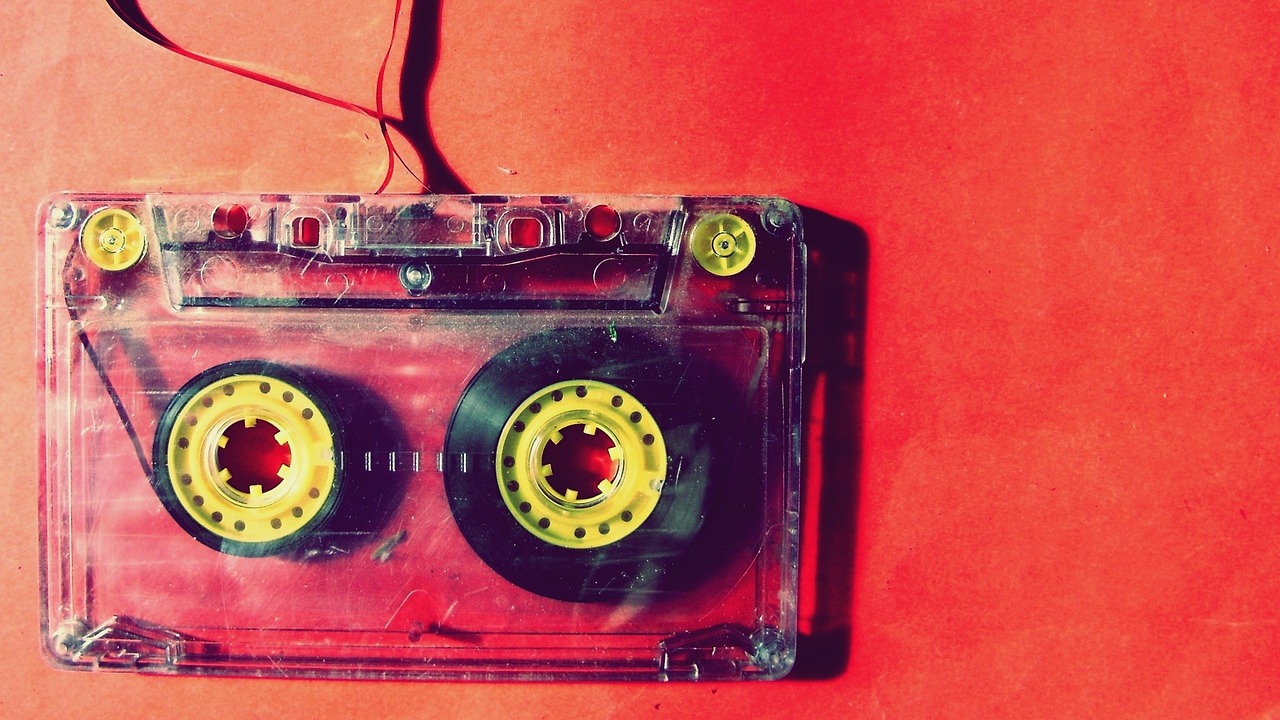
There is a specific kind of heartbreak associated with the sound of a cassette player eating your favorite album. That mechanical whir followed by the sickening crunch of brown polyester ribbon being pulled from its home is a rite of passage for anyone who grew up in the pre-digital era. Yet, long after we traded our Walkmans for streaming services that offer every song ever recorded at the touch of a button, we still keep them. The tangled tape remains a relic of an era where music was something you could physically touch, hold, and—if you weren't careful—accidentally destroy.
We don't keep these tapes because they sound good. Let’s be honest: the hiss of a magnetic tape is an audible reminder of how far audio fidelity has come. We keep them because they represent a time when music was an intentional act. You couldn't skip a track in half a second; you had to commit to the side, to the order of the songs, and to the physical reality of the medium.
The Anatomy of a Snarl
When you pull a tangled cassette from a dusty shoebox, you are essentially pulling out a physical manifestation of a memory. The knots are complex, weaving in and out of the plastic spools like a miniature labyrinth. Attempting to unwind them with a pencil is a meditative, if frustrating, exercise in patience. It forces us to slow down, to engage with the object, and to remember the context in which that specific tape was recorded or purchased.
- The Mixtape: A love letter written in tracklists.
- The Bootleg: A concert recording captured on a cheap recorder in the back row.
- The Store-Bought Classic: The album that defined your high school existence.
Each of these iterations carries a weight that a digital file simply cannot replicate. A file doesn't have a history of being rewound a thousand times or surviving a summer in a hot car dashboard. The tape does.
Why We Cannot Let Go
The tangles are not just defects; they are the scars of our listening history. They prove that we were there, that we cared, and that we listened until the ribbon gave out under the pressure of our devotion.
We hoard these snarled relics because they are the anchors of our past selves. In a world where everything is ephemeral and stored in the 'cloud,' the physical presence of a broken object feels grounding. When you look at a tangled mess of magnetic tape, you aren't just looking at a piece of failed technology; you are looking at the evidence of an era where our consumption of culture was messy, tactile, and deeply personal. We keep them because they remind us that once, we had to work for our art.
The Ritual of Repair
There is something inherently romantic about the attempt to repair a broken tape. Using a piece of scotch tape to bridge a severed ribbon is an act of defiance against obsolescence. It is a refusal to let the music die, even when the medium has failed. This ritual, however futile it may seem, connects us to a time when we were more hands-on with the media we consumed. We were the curators, the engineers, and the archivists of our own sonic landscapes.
Perhaps the most important takeaway from our hoarding of these magnetic ghosts is this: our attachment to objects is rarely about the object itself, but about the agency we exercised when we used it. Whether it was the pencil-wound tape or the scratched jewel case, we were participants in the music, not just passive listeners. So, keep your tangled cassettes. They are the artifacts of a life spent listening with intent, and their knots are nothing more than the stitches holding your personal history together.