The Bridge of Burnt Planks
I spent three years of my life building a bridge to save our village from isolation, only to be accused of theft by the very people who walked across it every day.
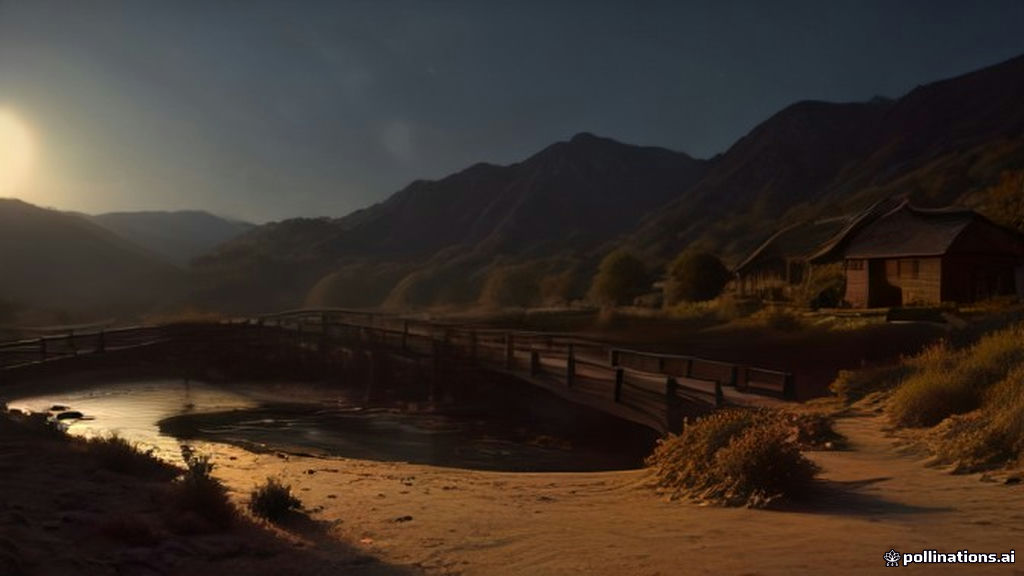
The Cost of Connection
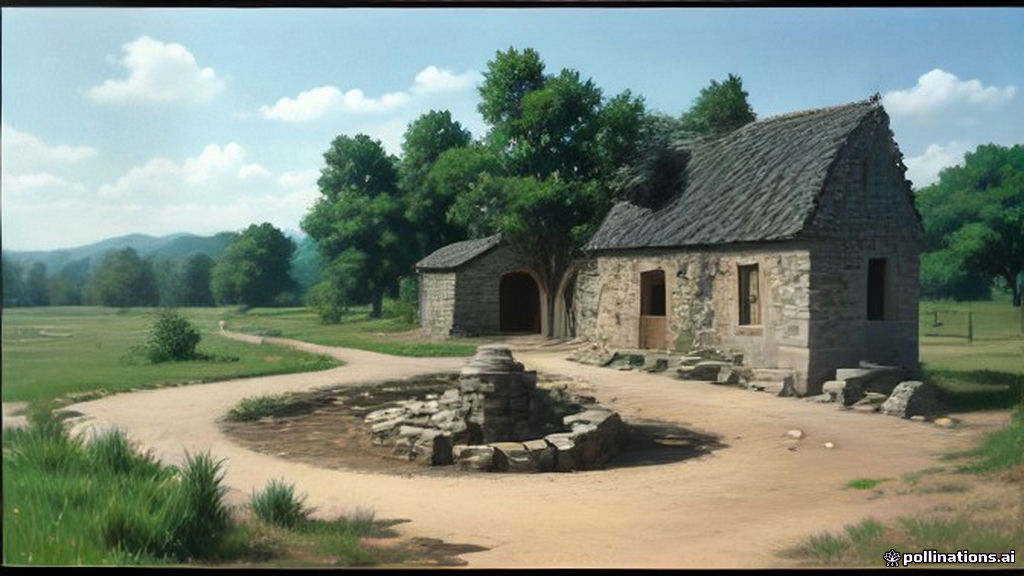
The mud in Blackwood Hollow was not just dirt; it was a hungry, swallow-everything substance that trapped our children and kept the supply trucks away for months. When I decided to build the bridge, I didn’t ask for permission. I sold my grandfather’s tractor, liquidated my savings, and spent three years hauling reclaimed iron and pressure-treated timber down to the gorge. My hands were permanently stained with pine resin, and the skin on my palms had grown thick as hide.
The village watched from their porches, sipping coffee and whispering that I was hoarding community funds. I never took a cent from them. I worked under the moonlight, the rhythmic thud of my hammer the only sound for miles. When it was finished—a sturdy, beautiful span of dark wood—the village council didn’t offer a thank you. Instead, they held a hearing. They claimed I had stolen the timber from the municipal forest, a lie so bold it made my vision blur. They didn't just demand I hand over the keys to the maintenance shed; they voted to ban me from using the crossing I had paid for with my own sweat.
The Weight of the Verdict
I stood in that dusty town hall, listening to Elias, the man whose grandson I had pulled from that same mud a dozen times, tell the magistrate that I was an exploiter. His voice was steady, practiced. He didn't look at me. Nobody looked at me. My neighbor, Martha, who had asked me to repair her roof just weeks prior, stood up and claimed she had seen me 'smuggling' lumber at night. It was a coordinated theater of cruelty, designed to strip me of my dignity before they took the bridge.
The truth is not a consensus; it is a burden that only the one who carries it can truly feel.
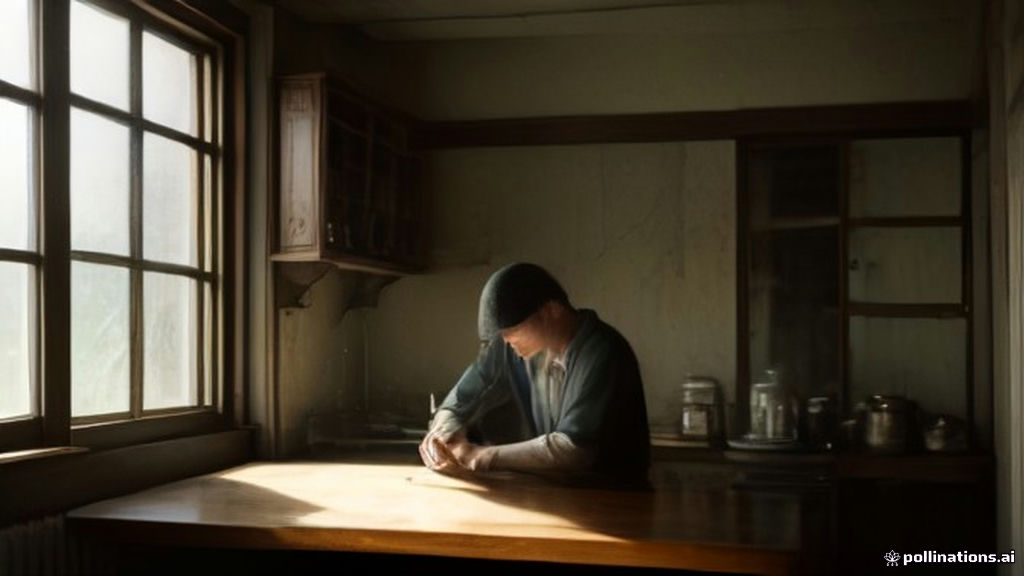
They confiscated the bridge, citing a technicality about land ownership that hadn't existed until I made the land valuable. I was fined, ostracized, and forced to board up my windows. For months, I watched from my kitchen as they walked across the boards I had sanded, carrying their groceries and gossip, never once acknowledging the architecture of their convenience. I stopped speaking. I stopped going to the market. I simply existed in the silence of my own house, watching them profit from my ruin.
The Architecture of Absence
Two years later, the heavy rains came—the kind that turn the hollow into a roaring, black vein of water. The bridge held, just as I knew it would, but the maintenance they ignored became its undoing. They had let the bolts rust, the structural supports rot, and the drainage channels clog with debris. One Tuesday, the weight of a heavy delivery truck was too much for a span that hadn't been greased or inspected in twenty-four months. With a groan that sounded like a dying beast, the center of the bridge gave way.
The village was cut off again, but this time, the collapse was total. The supply routes were blocked, the school bus turned back, and the emergency services couldn't reach the clinic. The arrogance that had built their case against me now became their cage. They didn't come to apologize. They came to demand I fix it. They showed up at my gate with buckets of money, their faces pale and desperate, pleading with me to 'bring back the glory' of the crossing.
The Final Crossing
I sat on my porch, watching Elias fumble with his hat, his hands shaking. He offered me a sum that would have changed my life three years ago, but now, it felt like paper. I looked at the bridge, now a pile of splintered wood in the mud, and then at them. I didn't shout. I didn't gloat. I simply stood up, walked to my front door, and locked it. I watched through the curtains as they stood in the rain for hours, waiting for a savior who had already left the building.
They eventually dispersed into the darkness, leaving their money on my porch like a sacrifice to a god they had forgotten. I left the bills there until the wind scattered them into the mud, where they belonged. I didn't fix the bridge. I moved away, leaving the village to the silence of their own making. Sometimes, the most powerful thing you can do is refuse to be the foundation for people who are perfectly comfortable watching you fall.