The Home Inventory Safety Audit: A Practical Guide to Protecting Your Assets
Learn how to systematically document your belongings for insurance and peace of mind using this step-by-step audit method.
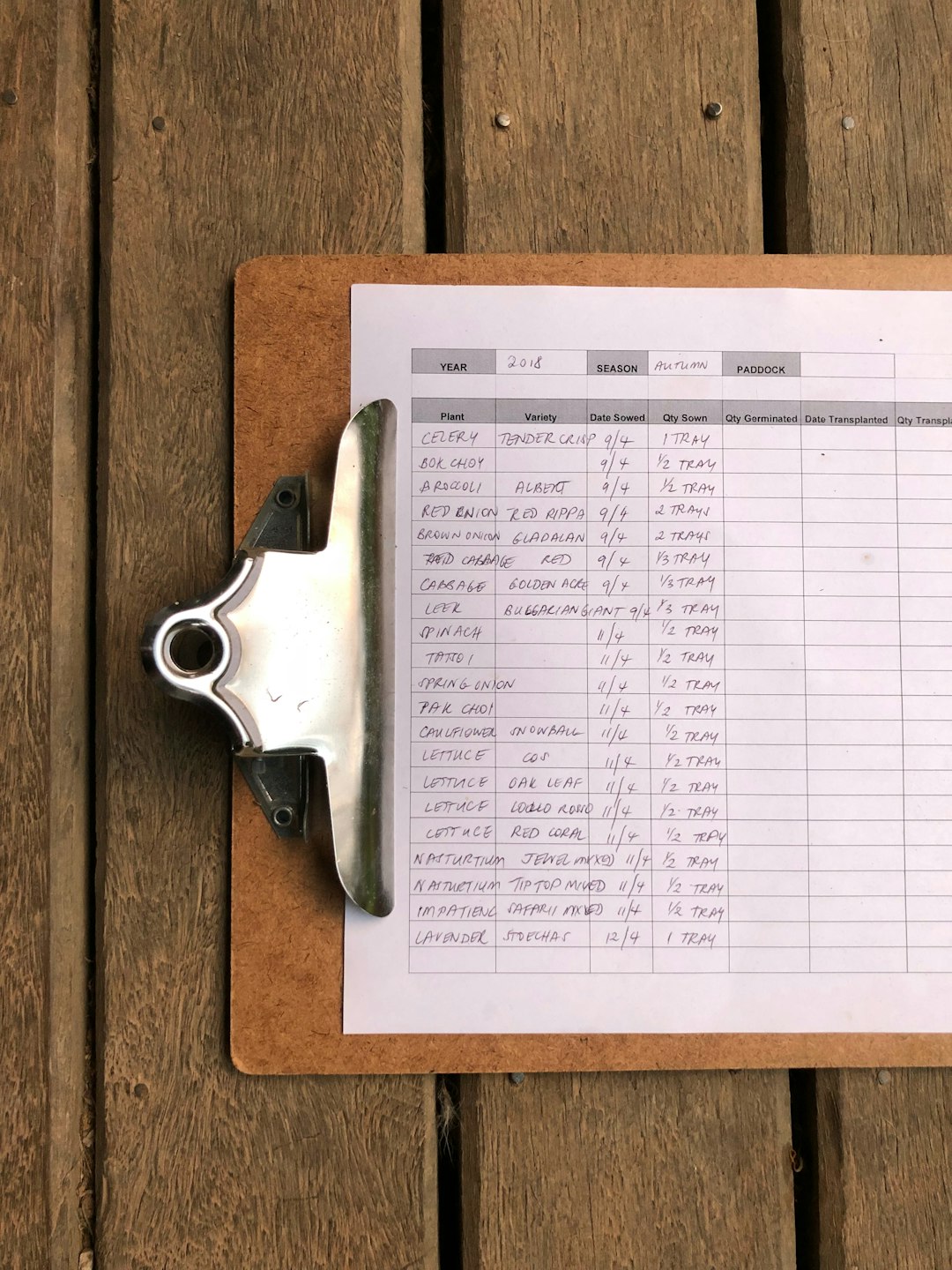
Why You Need a Home Inventory
Most people only think about their possessions when they are gone—whether through theft, fire, or natural disaster. A home inventory is not just about paperwork; it is a critical safety net that ensures you can recover financially if the worst happens. It provides clear, documented proof of what you own, which is essential for accurate insurance claims and peace of mind.
Beyond insurance, conducting a home inventory provides a psychological benefit. It forces you to interact with your belongings, helping you clear out clutter and gain a clearer understanding of your financial footprint. When you see exactly what you have in a list, you are less likely to overbuy and more likely to appreciate the items you already possess.
Preparation: Setting the Stage
Do not attempt to inventory your entire house in one afternoon; you will burn out and miss details. Instead, treat this as a project to be completed in one-hour increments over a week or two. You will need a smartphone, a notepad, and a basic spreadsheet application like Google Sheets or Excel.
- Designate a specific folder in your cloud storage for the inventory files.
- Gather all receipts, warranties, and owner's manuals for major appliances and electronics.
- Use painter's tape to mark areas you have already completed to avoid double-counting.
The most effective home inventory is one that is stored off-site; digital files in the cloud are infinitely safer than physical folders kept inside the house itself.
The Step-by-Step Audit Process
Start by recording a video walkthrough of each room. Narrate what you see, opening drawers and closets as you go. This video acts as a broad-stroke record. After the video, create a spreadsheet that lists each item, its purchase date, approximate cost, and serial number. For high-value items like jewelry, art, or specialized tools, take close-up photos of the item from multiple angles.
Pay special attention to electronics and high-end equipment. If you cannot find a physical receipt, take a clear photo of the serial number tag on the back or bottom of the device. If an item is a family heirloom, try to get a professional appraisal or at least a documented history of the item to establish its value.
Common Mistakes and Pro-Tips
The biggest mistake is forgetting the 'invisible' items. People often inventory electronics but forget clothing, linens, kitchen utensils, and decorative items. These small items add up to a significant replacement cost. Another common error is failing to update the list; treat your inventory as a living document that gets updated every time you make a major purchase.
- Update your list annually, perhaps during tax season or at the start of a new year.
- Store a physical copy of your most important serial numbers in a fireproof safe.
- Include the brand, model, and purchase price for everything worth over fifty dollars.
By investing a few hours into this process, you transform your home from a collection of uncatalogued items into a secured asset list. This audit is not just about protection; it is a foundational habit of responsible household management that provides tangible security in an unpredictable world.