The High Fidelity Bolognese Ritual: A Slow-Simmered Soundscape
The Philosophy of Patience
There is a specific cadence to preparing a true Bolognese. It is not a dish to be rushed; it is a dish that breathes. Much like the best high-fidelity recordings, the success of this ragù lies in the layering of frequencies—the deep, resonant bass of the soffritto, the sharp, bright mid-tones of the tomato, and the slow, sustained hum of the wine-infused meat. When you commit to a three-hour simmer, you are not just cooking; you are curating an experience that rewards time and temperature in equal measure.
This ritual is best performed on a Sunday afternoon, when the world outside feels a bit too loud and the kitchen offers a rare, analog refuge. By stripping away the distractions of modern cooking, we return to the essential alchemy of patience, heat, and quality ingredients.
The Composition of Flavors
To begin your high-fidelity session, ensure your mise-en-place is organized like a well-structured tracklist. You will need the following ingredients:
- 500g high-quality ground beef (20% fat is ideal for flavor)
- 250g ground pork for added silkiness
- 1 large yellow onion, finely diced
- 2 medium carrots, finely diced
- 2 celery stalks, finely diced
- 3 cloves garlic, minced
- 150ml whole milk
- 250ml dry white or red wine
- 400g canned San Marzano plum tomatoes, crushed by hand
- 2 tablespoons tomato paste
- 3 tablespoons extra virgin olive oil
- Salt, black pepper, and a pinch of freshly grated nutmeg
The Process: Orchestrating the Simmer
Start by heating your olive oil in a heavy-bottomed Dutch oven over medium heat. Add the onion, carrots, and celery—the holy trinity of Italian aromatics. Sweat these down until they are translucent and soft; this is the rhythm section of your sauce, providing the foundation upon which everything else is built. Once softened, push the vegetables to the side and increase the heat to medium-high to brown your meat. Do not crowd the pan; you want a deep, caramelized sear, not a gray steam.
- Deglaze the pan with your wine, scraping up the browned bits, or 'fond,' from the bottom. Let the liquid reduce by half.
- Stir in the tomato paste and cook for two minutes to remove the raw metallic edge.
- Add the crushed tomatoes and bring to a gentle bubble.
- Reduce the heat to the lowest setting. This is the 'slow-jam' phase.
- Stir in the milk—this is the secret to a tender, mellow sauce that coats the pasta with velvety precision.
The secret of a great ragù is the milk; it softens the acidity of the tomatoes and creates a lush, creamy texture that defines the classic Bolognese style.
The Final Mix
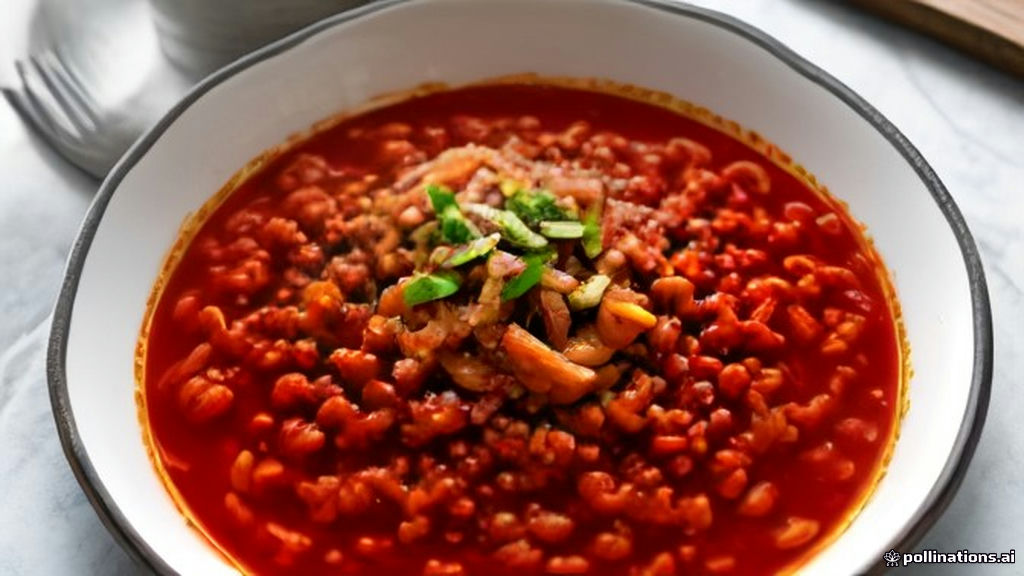
After three hours of gentle simmering, your kitchen should smell like a bistro in Emilia-Romagna. The sauce should be thick, dark, and glossy. Taste it carefully. Add a pinch of nutmeg and adjust the salt and pepper to your preference. When it comes time to serve, never dump the sauce on top of a pile of dry pasta. Instead, finish the pasta in a skillet with a ladle of the sauce and a splash of starchy pasta water. Toss vigorously until every strand of tagliatelle is coated in a glistening, uniform sheen.
Serve this dish in wide, warmed bowls with a generous dusting of Parmigiano-Reggiano. Whether you are enjoying it with a glass of Sangiovese or just the quiet hum of your own thoughts, remember that the quality of the meal is directly proportional to the care you put into the process. Take your time, serve it hot, and let the flavors linger just a little bit longer.