The Archaeology of the Dead Ink Pen: Why We Hoard Our Spent Scribes
The Anatomy of a Silent Tool
Walk into any home office or junk drawer, and you will inevitably encounter the graveyard of the ballpoint pen. These are not merely discarded office supplies; they are artifacts of our own labor, our grocery lists, our half-finished journals, and the frantic notes scribbled during phone calls that we don't even remember making. We keep them despite their failure to mark the page, a strange attachment to an object that has definitively, and often frustratingly, reached the end of its utility.
There is something inherently melancholic about a dead pen. Unlike a piece of broken technology that we might recycle or throw away, a pen feels like an extension of the self. When it stops writing, it feels less like a mechanical failure and more like a voice that has gone quiet. We keep them because, on some level, we are afraid that throwing them away is an admission that the thoughts we intended to write down with them are also finished, or worse, forgotten.
The Illusion of Potential
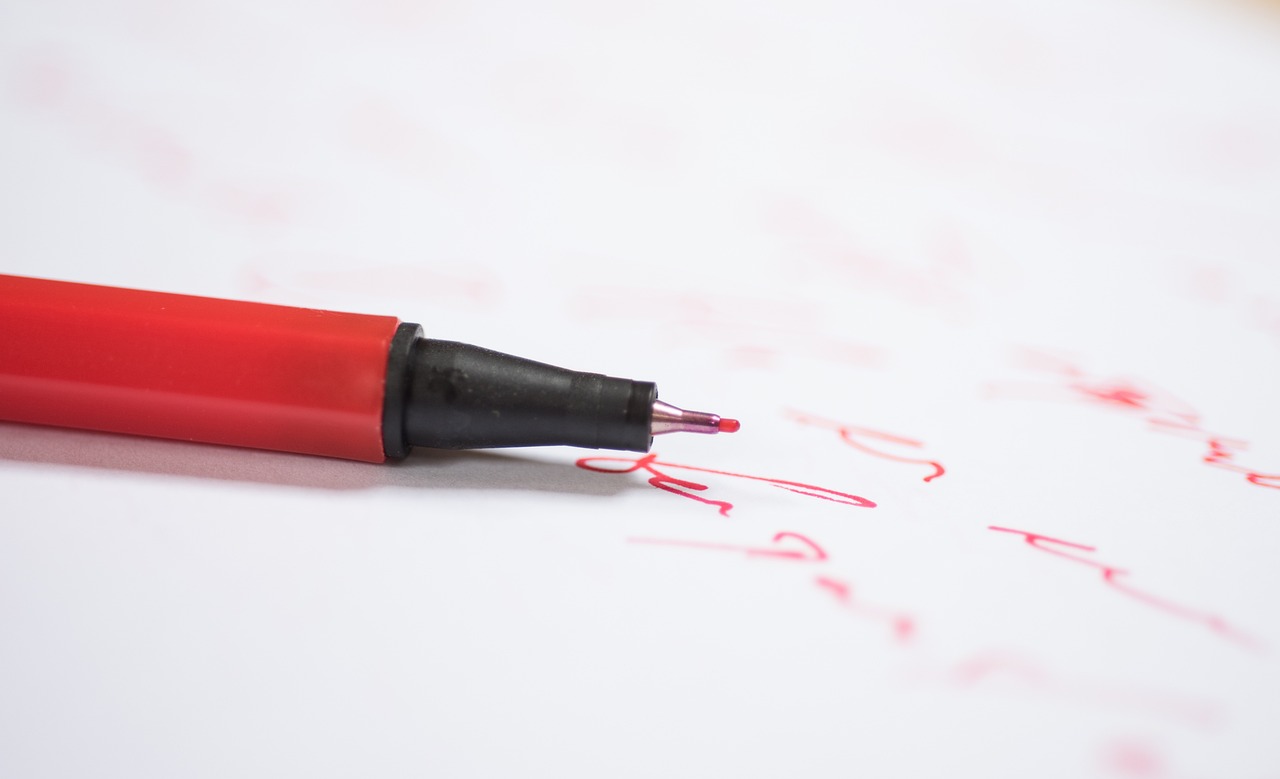
Often, we hold onto these pens because of the 'just in case' fallacy. We convince ourselves that if we just shake them hard enough, warm the ink with our friction, or draw enough circles on a scrap piece of paper, the ink will flow once more. This represents a deep-seated human desire to revive the past. We want the flow of ideas to be as continuous as the ink in the cartridge, and when it stops, we struggle to accept the interruption.
The pen is the tongue of the mind; when it runs dry, we feel a sudden, jarring silence that our brains are not yet ready to process.
This hoarding behavior is also a testament to our inability to reconcile with the end of a project. That pen that died while you were drafting a letter, or perhaps during the height of a creative spurt, remains in the cup as a monument to that specific moment in time. It is a physical bookmark in the story of your life, even if the bookmark itself has become useless.
A Catalog of Finished Thoughts
If you were to treat your pen cup like an archaeological dig site, you would find a timeline of your own intellectual evolution. The cheap promotional pen from a conference three years ago, the sleek rollerball you bought for a job interview, the felt-tip marker that dried out after labeling moving boxes—these are markers of identity. They remind us of who we were when we held them.
We hoard them because they are tangible proof of existence. We are not just digital beings living in a cloud; we are people who leave physical impressions on the world. Even when the ink is gone, the barrel remains, a hollow shell of the pressure and movement we exerted upon the world. We don't want to discard these shells because we haven't quite finished processing the eras they represent.
Reframing the Hoard
Perhaps it is time to view these dry pens not as clutter, but as 'completed works.' When a writer finishes a book, they celebrate; when a pen finishes its ink, we should perhaps acknowledge the work it allowed us to do. Hoarding them is a subconscious way of honoring the labor, even if the method is inconvenient and messy.
Instead of letting them rot in a cup, consider creating a designated 'resting place' for them, or better yet, recycle them through specialized programs. Acknowledging that the tool has served its purpose allows you to move on to the next one with a fresh perspective. The next time you find yourself scribbling on the edge of a notebook to force a dry pen to life, stop and ask yourself: what was this pen trying to say, and am I ready to let it go?
Takeaway: Your worth is not tied to the tools you use, but to the ideas you express; retiring a dry pen is simply making space for the next great thought to be written.