The Coffee Shop Ledger
A single act of kindness at a rain-slicked diner led to a life-altering encounter decades later.
The Rainy Tuesday
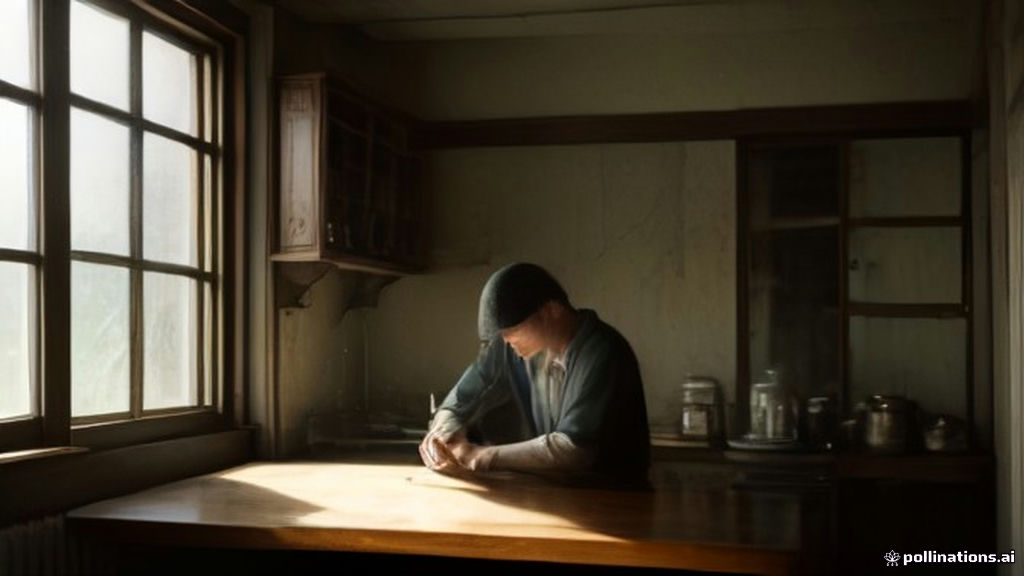
The rain was coming down in sheets, blurring the neon sign of Miller’s Diner into a smear of yellow light. I was working the late shift, my feet aching from twelve hours on the linoleum. A man walked in, shivering, his coat soaked through. He didn't order food; he just sat at the corner booth with a notebook, his hands trembling. When he reached for his pockets to pay for his black coffee, he turned them inside out. Nothing but lint and a crumpled receipt. I didn’t think. I just swiped my own employee meal card to cover his tab and told him it was on the house.
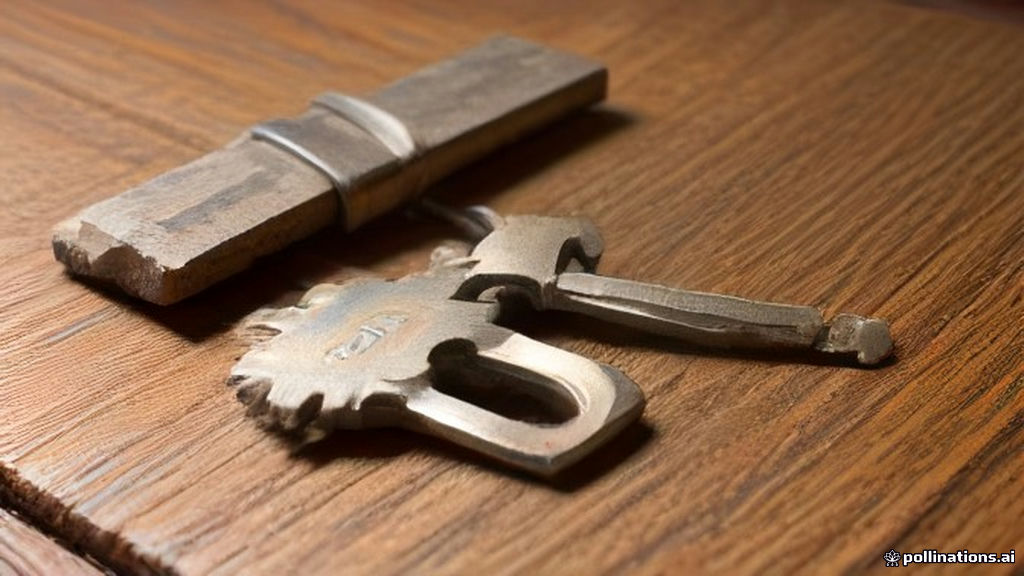
He looked at me with eyes that seemed to have seen the end of the world. He didn't thank me with words, just a slow, solemn nod. He left a small, heavy brass key on the counter before disappearing back into the storm. I tucked it into the back of my locker, thinking it was just a piece of scrap he’d forgotten.
The Weight of the Promise
Years passed, and the diner closed down. I moved to the city, took a job in a sterile office, and forgot about the man and the key. My life became a cycle of spreadsheets and lukewarm coffee. I felt invisible, a cog in a machine that didn't care if I showed up or not. Then, my sister called. Our father’s house—the only place I felt I belonged—was being sold out from under me by our brother. He claimed I had no stake because I hadn't 'contributed' enough to the family's upkeep over the years.
I stood in the hallway of that house, watching them pack my childhood into cardboard boxes. My brother wouldn't look at me. He just checked his watch, impatient for me to leave. The unfairness was a physical weight, a stone in my gut. I had sacrificed my savings to pay for the roof repairs three years prior, and he had 'conveniently' lost the receipts. I walked out into the cold, feeling the sharp sting of betrayal, realizing that the people I had built my life around were the first to dismantle it.
The Unlocked Door
I returned to my tiny apartment, defeated. As I cleared out my old coat, the brass key fell from the lining of the pocket, clattering against the floor. It was still cold to the touch. I remembered the diner. On a whim, I searched for the address written on the tag attached to the key—a location I hadn't noticed before, buried under years of neglect. It led to a small, dusty storefront in the arts district, shuttered for decades.
The key fit perfectly. Inside, the space was filled with art—hundreds of canvases, sketches, and charcoal drawings. The man from the diner had been a prolific artist who had lost everything in a fire, only to rebuild his life from the ashes. I found a letter addressed to the 'Server of the Rainy Night.' He had passed away, but his will was explicit: the shop, the art, and the royalties from his estate were to go to the person who gave him coffee when he had nothing left to give.
The Tables Turn
The estate was worth more than I had earned in a decade. As soon as the news broke, my brother was the first to show up at my door. He wore a suit that was too expensive for his budget, smiling as if the betrayal at the house had been a mere misunderstanding. 'Family is everything,' he said, his eyes darting toward the legal documents on my table. 'We should talk about how to manage these assets together.'
The true measure of a person is not how they treat you when you have everything, but how they treat you when you have absolutely nothing to give.
I looked at him, then at the empty, cold space where my loyalty used to live. I didn't yell. I didn't throw him out. I simply slid the letter across the table and told him that my time for charity had expired decades ago, right when he decided I wasn't worth the cost of a roof. I watched the color drain from his face as he realized the gates were locked for good.
Is kindness ever truly wasted, or is it just waiting for the right moment to return home?