The Porcelain Ledger
The Final Inventory
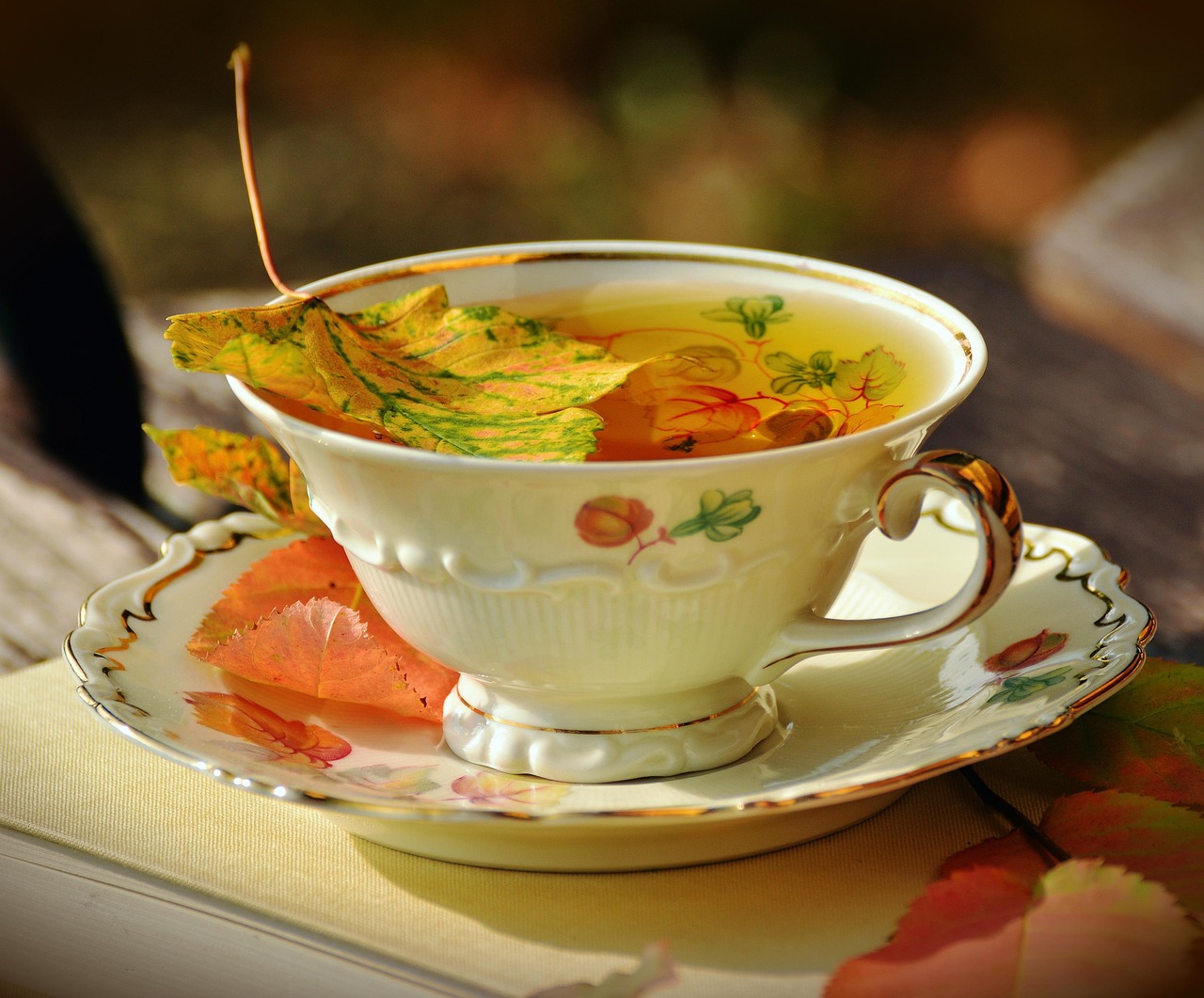
The locks had been changed before I even returned from the lawyer's office. Mark stood on the porch, his arms crossed over a chest that used to feel like home, but now felt like a barricade. He didn't look angry; he looked efficient. That was the most painful part. He handed me a single cardboard box. Inside were the shards of a Victorian tea set my grandmother had brought from abroad—the only thing I had ever truly cared about, the thing he had 'accidentally' knocked over during our final, silent argument.
You took everything else, Mark, I whispered. The house, the retirement account, even the dog. He checked his watch, a gold piece I had bought him for our fifth anniversary. It’s just business, Sarah, he said without looking me in the eye. You were always too emotional. You didn't keep the ledger properly, and now the books are closed. He turned back into the house, and the heavy oak door clicked shut with a finality that sounded like a gunshot.
The Weight of the Shards
I sat on the curb for an hour, the damp autumn leaves sticking to my coat. I had nothing but a degree in restoration chemistry that I hadn't used in a decade and a box of dust and ceramic fragments. I went home to my sister’s spare room and emptied the box onto the kitchen table. The glaze was rare, a cobalt blue that shimmered under the harsh light. I began to sort them, not by size, but by composition.
It wasn't just a tea set. It was a chemical map. My grandmother had worked for a boutique kiln in the thirties, and she had kept notes. I spent the next six months living on tea and toast, using my old skills to re-bind the ceramic with a proprietary resin I had developed in my university days. I wasn't just fixing a teapot; I was proving a point. I wasn't the broken one. I was the one who knew how to put things back together, stronger than they had been before.
The Appraisal
A year later, the market for pre-war experimental ceramics surged. I took my restored pieces to an auction house in the city. The appraiser, an elderly man with thick glasses, stared at the teapot for a long time. He turned it over, then looked at me. This is the missing piece from the Sterling collection, he said. It’s worth more than the house you lost. I didn't say a word. I just watched the gavel fall, the final number echoing through the room, a sum that made my husband’s entire net worth look like pocket change.
The beauty of a fracture is not that it exists, but that it dictates exactly how the pieces must fit to create something entirely new.
The Uninvited Guest
Six months after the sale, Mark showed up at my new apartment. He looked tired. His clothes were rumpled, and he smelled of cheap desperation. He had gambled on a real estate venture that went south, and he was drowning in debt. Sarah, he started, his voice cracking, I’ve been doing a lot of thinking. I made mistakes. I want to make things right. I want us to look at the ledger again.
I poured a cup of tea into one of the pieces I had kept—a small, delicate saucer that held the light perfectly. I looked at him, not with hatred, but with a clarity that seemed to frighten him more than anger ever could. You said the books were closed, Mark, I said, setting the saucer down. You were right. The ledger is balanced, and there is absolutely nothing left for you here.
He stood on the threshold, a man who had traded a masterpiece for a pile of dust, waiting for a key that no longer existed. I closed the door, and for the first time in my life, I felt the silence in my home was not empty, but full of peace.
Sometimes, the greatest revenge is simply outgrowing the person who thought they owned your future.