The Archaeology of the Crusty Tea Stain: Why We Hoard Our Caffeinated Residue
The Rorschach Test of the Morning Ritual
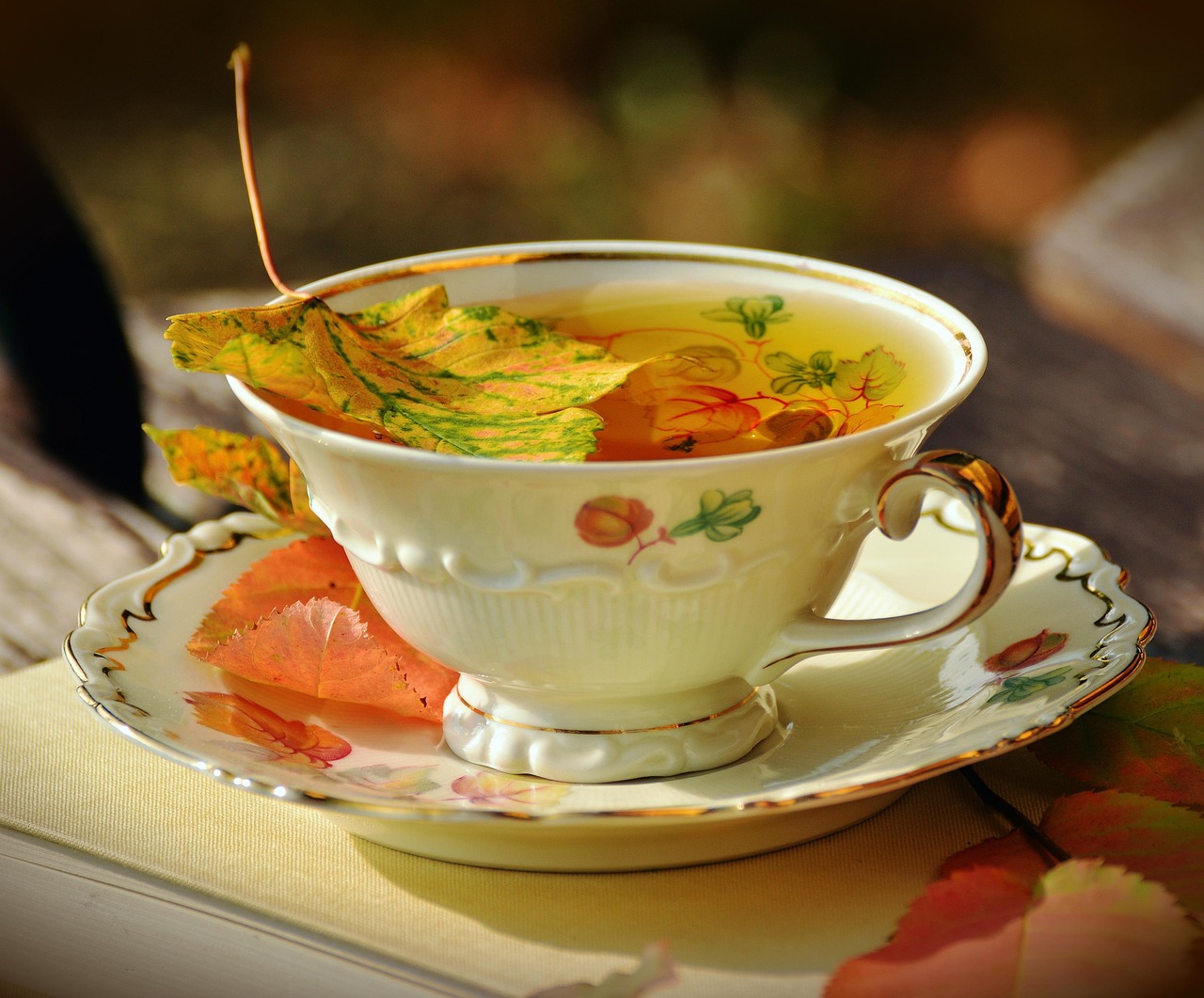
There is a specific kind of melancholy found in the bottom of a porcelain mug, especially when it leaves a permanent, amber-colored ghost on a wooden side table. We often call them rings, blemishes, or just 'damage,' but if you look closely, the crusty tea stain is a cartography of the morning. It marks the exact moment where your hand rested, where the steam briefly obscured your vision, and where the silence of the early hours met the urgency of the day. It is an accidental fossil of a routine we barely remember performing.
We tend to view these stains as signs of carelessness, yet they are perhaps the most honest artifacts we possess. They don't lie. A polished surface is a curated performance, but a tea-stained coaster or tabletop tells the truth: you were tired, you were distracted, you were present, or you were drifting. These stains are the physical manifestation of our domestic existence, proving that we inhabited a space long after we have left it.
The Chemistry of Lingering Presence
Why do we hesitate to scrub them away? There is a strange, protective impulse toward these rings. Perhaps it is because tannin is a stubborn stain—it binds to the grain of the wood like a memory that refuses to fade. When we leave a ring on an antique desk, we are essentially entering into a dialogue with the past. We are placing our current, frenetic energy onto a surface that has likely held the tea cups of predecessors who were just as hurried and just as caffeinated as we are.
- Tannin as a permanent marker of time.
- The texture of dried sugar and leaf particles.
- The visual contrast between a pristine surface and a lived-in one.
To see the world in a grain of sand is poetic, but to see a lifetime in the ring of a tea cup is a domestic necessity. We are all just adding our own layers to the finish of the world.
The Geography of Distraction
Consider the placement of these stains. They are rarely in the center of a table. They gravitate toward the corners, the edges, or the spots where we lean our elbows while reading. They track our movements through a room. If you map the tea stains in a house, you are effectively mapping the 'high-traffic' zones of intellectual or social labor. Where the tea stain is darkest, the most thinking occurred. Where the stain is faint, we were likely passing through, fueled by a quick burst of caffeine before moving on to the next task.
This geography reveals our patterns of procrastination. We often set the mug down not because we are finished, but because we are pausing to look out a window, to check a notification, or to ruminate on a problem. The tea stain is a physical bookmark for a train of thought that was interrupted. It represents the 'what if' and the 'not yet' of our daily lives.
The Aesthetics of the Imperfect Surface
In a world obsessed with minimalism and wipe-clean surfaces, the tea stain acts as a subtle rebellion. It is the visual equivalent of a dog-eared page or a scuffed shoe. It suggests that the object—the table, the desk, the shelf—is a participant in our lives rather than a museum piece. By allowing the ring to persist, we acknowledge that beauty is not synonymous with perfection.
There is a certain comfort in the crustiness of a long-standing stain. It becomes part of the patina of the furniture. Over months and years, these stains merge with the natural wear of the wood, creating a complex, marbled surface that no factory finish could ever replicate. It is a collaborative art project between the drinker and the wood, a slow-motion painting that takes years to complete.
The Takeaway
The next time you see that dark, stubborn ring on your wooden surface, don’t reach immediately for the abrasive sponge. Recognize it for what it is: a quiet, caffeinated testament to your own existence. It is the mark of a life lived in moments of pause, a record of the times you sat still enough to let your drink cool. We hoard these stains because, in their own messy way, they are the signatures we leave behind when we are otherwise too busy to be remembered. Embrace the residue; it is the most honest part of the home.