The Clock of the Sunken Well
I spent five years restoring our village's ancient stone well, only to watch the people who cursed my efforts beg for a drop when the drought finally came.
The Price of Clean Water
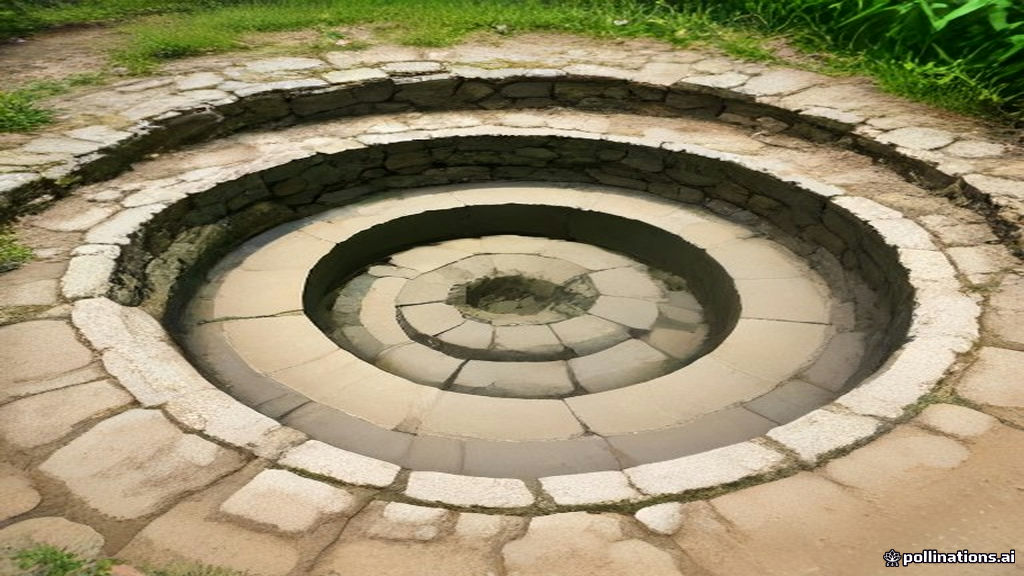
The drought didn't start with the sky; it started with the village council’s indifference. When I proposed restoring the ancient, silted-up well at the edge of the square, the elders laughed. They called it 'the ghost’s cistern' and warned that digging into the foundation would bring bad luck. I didn't care about luck. I cared about the fact that our gardens were turning to dust and the town pump had been spewing brown sludge for months. I spent every weekend for three years hauling out buckets of black, smelling muck. My hands were permanently stained, my back ached like an old hinge, and I spent my life savings on the lime mortar and stone reinforcements.
When I finally hit the aquifer, the water didn't just trickle; it surged, clear and cold. But instead of gratitude, I received a summons. The council claimed I had disturbed 'historical preservation zones' and demanded I board the well back up. They said my work was an eyesore. In reality, they were angry that I had solved a problem they had used for decades as a political lever. They forced me to lock the iron gate, and for a season, I was the pariah of the village. They spat on my doorstep and told my children I was a 'tinkerer with no respect for tradition.'
The Summer of Dust
The following summer was brutal. The heat was a physical weight, pressing down on the rooftops until the shingles cracked. The municipal water system failed entirely within a week of the first heatwave. The pipes groaned, gave a final, metallic shudder, and went silent. People started queuing at the grocery store for overpriced plastic bottles, but even those ran dry. I watched from my kitchen window as the village square—the place I had meticulously paved and restored—became a landscape of desperation.
My phone began to ring at odd hours. It was the council head, Elias. He didn't apologize. He didn't even acknowledge the past. He simply demanded that I 'open the gate' as if I were a public utility worker rather than the man they had spent months humiliating. I sat in my armchair, watching the dust devils dance across the road. I had the only key to the heavy iron padlock around my neck. It felt heavy, a cold weight against my chest that reminded me of every insult they had hurled at me while I worked in the mud.
The Turn of the Tide
I walked down to the well on a Tuesday morning. A crowd had gathered, mostly the same people who had called me a fool. They looked hollow-eyed, their lips cracked, their skin gray with heat exhaustion. Elias pushed to the front, his suit coat stained with sweat. He tried to grab the padlock, but I stepped back. I didn't yell. I didn't gloat. I simply looked at the brass key in my hand.
The value of a thing is rarely measured by its cost, but by the hunger of those who once discarded it.
I told them the price. It wasn't money. I didn't want their coins, and I certainly didn't want their apologies, which were as hollow as the dry pipes. I wanted a public record. I wanted them to sign a document admitting that the village council had neglected the infrastructure for a decade and that my work had been the only thing preventing a catastrophe. They scrambled to find a pen. They signed it with trembling hands, desperate for a sip of the water I had spent years finding for them.
The Silence After
The water flowed for the rest of the summer, saving the livestock and the crops. I watched them fill their jugs, their pride stripped away, their arrogance washed down the drain with the silt. I didn't feel triumph; I felt a strange, quiet clarity. When the autumn rains finally came, the well became just a well again, but the village was different. They never looked me in the eye, and I never asked them to.
I eventually moved away to a place where the neighbors didn't care about ancient cisterns or village politics. Every now and then, I wonder if they ever think about the man who kept them alive. Or perhaps they prefer to believe the water was there all along, waiting for them to notice. In the end, does it matter who knows the truth, as long as you are the one who held the key?