The Orchard of Silent Scales
I spent ten years turning a barren hillside into the village's pride, only to be told I was trespassing on my own legacy.

The Cost of Green
When I bought the derelict hillside on the edge of Oakhaven, the soil was little more than gray dust and broken glass. My neighbors laughed, calling it the 'Devil's Sandbox.' For ten years, I hauled water by hand, trucked in topsoil, and planted heirloom saplings that thrived under my care. I didn’t just grow trees; I grew a sanctuary. Every weekend, the village children played in the shade of my canopy, and the elderly gathered on my benches to watch the sunset. I never charged a dime. I thought I was building a community.
The trouble began the moment the town council announced the new highway bypass. My orchard sat perfectly in the middle of the projected route. Suddenly, the land wasn't a dust heap; it was prime real estate. I received a letter stating that my deed was 'technically deficient' due to an old clerical error from the previous century. The council head—a man I’d shared Sunday coffee with for years—looked at the floor when I confronted him. 'It’s just business, Elias,' he muttered, not meeting my eyes. 'The village needs the growth, and your trees are just wood.'
The Weight of the Betrayal
The betrayal wasn't just the land grab; it was the speed with which my friends turned. They didn't just accept the council's decision; they actively campaigned for it. I was labeled an obstructionist, a man standing in the way of progress. They petitioned to have my water rights revoked, claiming I was hoarding resources. I remember the day the heavy machinery arrived. They stood at the gate, not to stop the bulldozers, but to watch them. Mrs. Gable, whose grandchildren I had fed apples to for years, walked right past me without a word, holding a protest sign that read Progress Over Sentiment.
The silence of a friend is far louder than the roar of an engine. I learned that the hard way while watching a caterpillar tractor crush the saplings I had named after my parents.
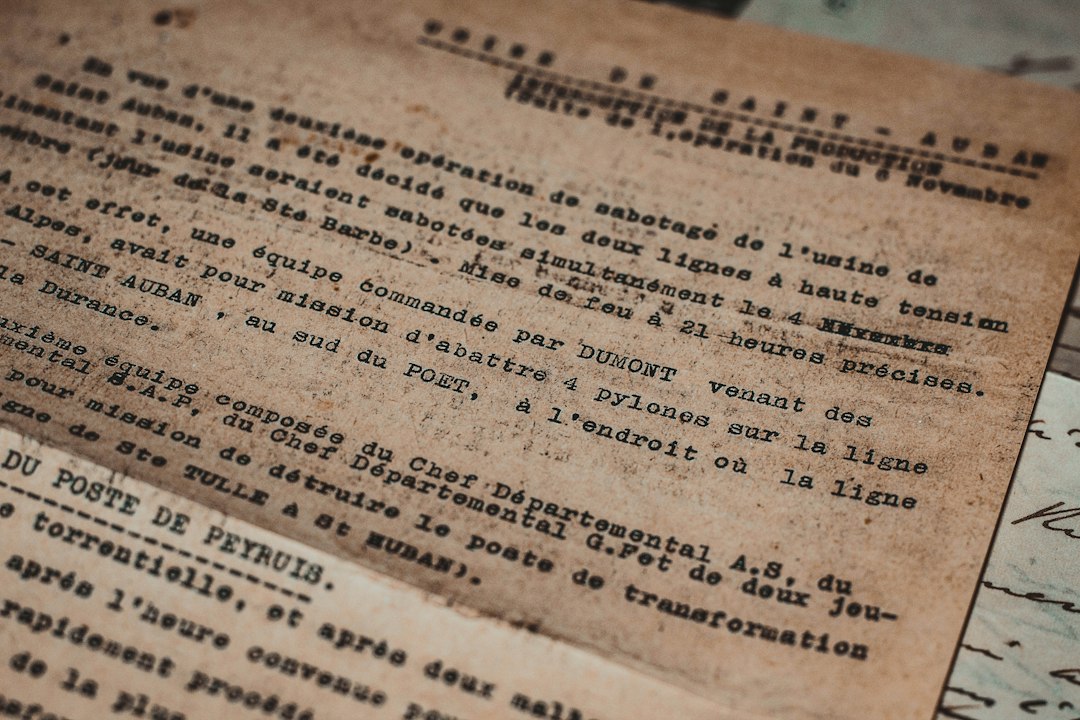
I didn't scream. I didn't throw stones. I simply packed my tools, took my original, yellowed deed—the one my grandfather had insisted I keep in a fireproof box—and I walked away. I let them think they had won. I let them believe that I was just a bitter old man holding onto a ghost. I stopped answering their calls and disappeared into the city, leaving them to their concrete plans.
The Table Turns
Three years later, the construction had stalled. The 'clerical error' the council used to seize my land had backfired spectacularly. The original survey I held wasn't just a deed; it was a mineral rights contract signed in 1912 by the village founders, which stipulated that any industrial development of the land would immediately revert the title to the original owner's descendants. My grandfather had known exactly what he was doing when he left me that land. I didn't want the orchard back. I wanted the village.
When the town went bankrupt trying to pay the legal fees for the failed highway project, the council members came to my apartment. They were disheveled, their ties loose, their faces pale. They needed me to sign a waiver so they could sell the property to a developer to pay off the village debt. They offered me money—a pittance compared to what they had destroyed. They sat in my kitchen, sweating, waiting for me to pull out a pen.
The Final Harvest
I didn't take the money. Instead, I placed the original, notarized deed on the table. It turned out that because they had violated the terms of the 1912 agreement, the village itself—including the town square and the council building—was now legally tied to the deed I held. I didn't want the land. I wanted them to understand what it felt like to have their home treated as a line item on a balance sheet. I held the keys to their future, and I didn't offer them a discount.
I watched them scramble. They spent months trying to find a loophole, but there were none. In the end, they had to declare the village a historical trust to avoid losing everything, which meant they couldn't build their highway, their shopping mall, or their precious bypass. They were trapped in a museum of their own making. When the town head finally came back to beg for a release, I told him the only thing I had left to say: 'You wanted progress, but you forgot that progress requires roots.' I never went back to Oakhaven, but I hear the trees are doing just fine on their own.
Is it truly a victory if you have to burn down the forest to prove who owns the seeds?