The Pantry Inventory Rotation Protocol: Ending Food Waste and Overbuying
Stop throwing away expired groceries and buying duplicates by implementing a simple, sustainable system for tracking your pantry inventory.
The Philosophy of FIFO in Domestic Life
Most households suffer from a silent, recurring drain on their finances and peace of mind: the 'Black Hole Pantry.' This is the space behind your favorite pasta boxes where forgotten cans of chickpeas go to expire. By shifting your mindset from passive storage to active inventory management, you can eliminate food waste and ensure your kitchen is always stocked with what you actually use. This protocol relies on the FIFO (First-In, First-Out) method, a standard in professional kitchens, adapted for the home environment.
The goal isn't to turn your kitchen into a warehouse, but to gain visibility. When you know exactly what is in your cabinet, you stop buying redundant items and start planning meals around existing stock. This reduces the cognitive load of 'what's for dinner' and creates a predictable rhythm for your grocery shopping.
Phase 1: The Zero-Base Audit
Before you can optimize, you must start with a blank slate. Empty your entire pantry, cabinet by cabinet. This is not just for cleaning; it is for assessment. Group similar items: grains, canned proteins, baking supplies, and sauces.
- Check every expiration date. Be ruthless. If it is past its prime, discard it.
- Categorize items by frequency of use. Keep your 'Daily Drivers' at eye level and 'Occasional Ingredients' on higher or lower shelves.
- Group by function: put all breakfast items together, all dinner starches together, and all snacks in a single designated zone.
Phase 2: Implementing the Rotation System
Once your pantry is organized, the rotation system keeps it that way. The golden rule is 'New to the Back, Old to the Front.' Whenever you return from the grocery store, you must dedicate three minutes to this process. Do not just shove new items in front of the old ones; pull the existing stock forward and place the new items behind them.
The most successful pantry systems are not those that look perfect on Instagram, but those that are so simple they don't require willpower to maintain.
To make this easier, avoid deep cabinets if possible. If you have deep shelves, use pull-out bins or clear acrylic risers. If an item is hard to reach, you are less likely to rotate it, and it will eventually become a casualty of the 'Black Hole' effect.
Phase 3: The Rolling Shopping List
Never rely on your memory when you are at the store. The pantry audit is only as good as the list that follows it. Keep a magnetic notepad or a shared digital note on the inside of your pantry door. As soon as you open the last container of an essential—or when you pull the second-to-last item—write it down immediately.
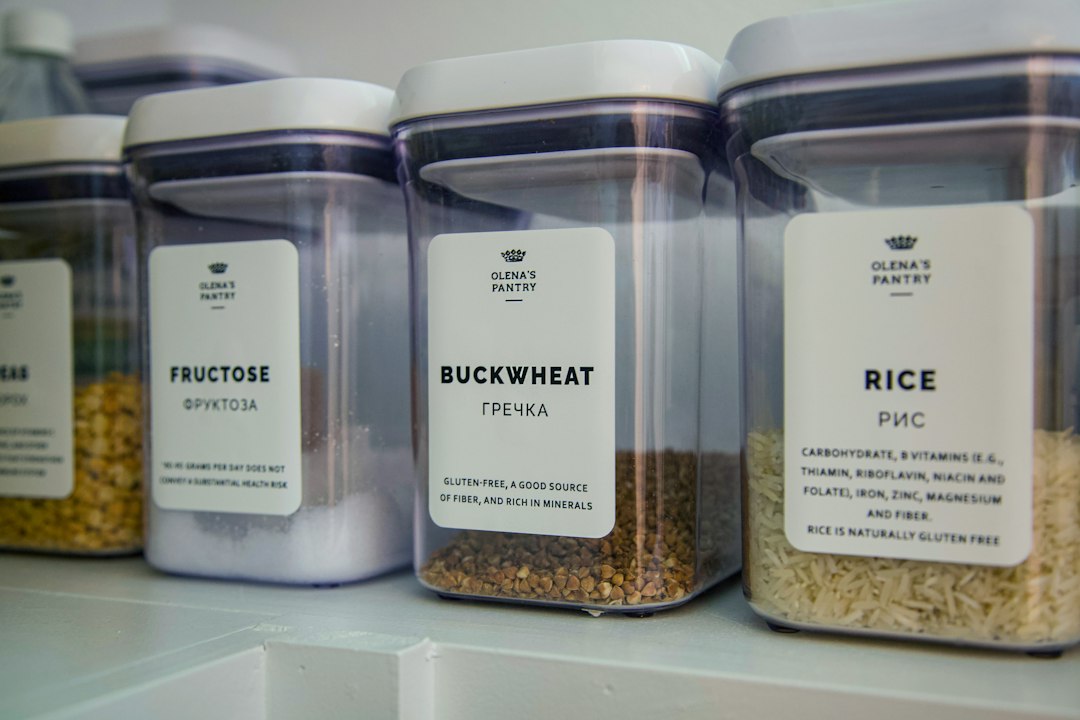
Common mistakes to avoid include: buying in bulk without a plan, failing to label items transferred to glass jars, and neglecting to check your existing inventory before leaving the house. By linking the act of 'using' with the act of 'noting,' you create a closed-loop system where you are never caught without essentials, yet never overstocked.
Maintaining the Momentum
This protocol requires a small initial investment of time but pays dividends in saved money and reduced stress. Once a month, take ten minutes to scan your shelves. If you notice a particular item isn't moving, challenge yourself to use it in a recipe that week. By keeping your inventory dynamic, you transform your kitchen from a storage unit into a tool for efficient, creative cooking.