The Well of Bitter Silt
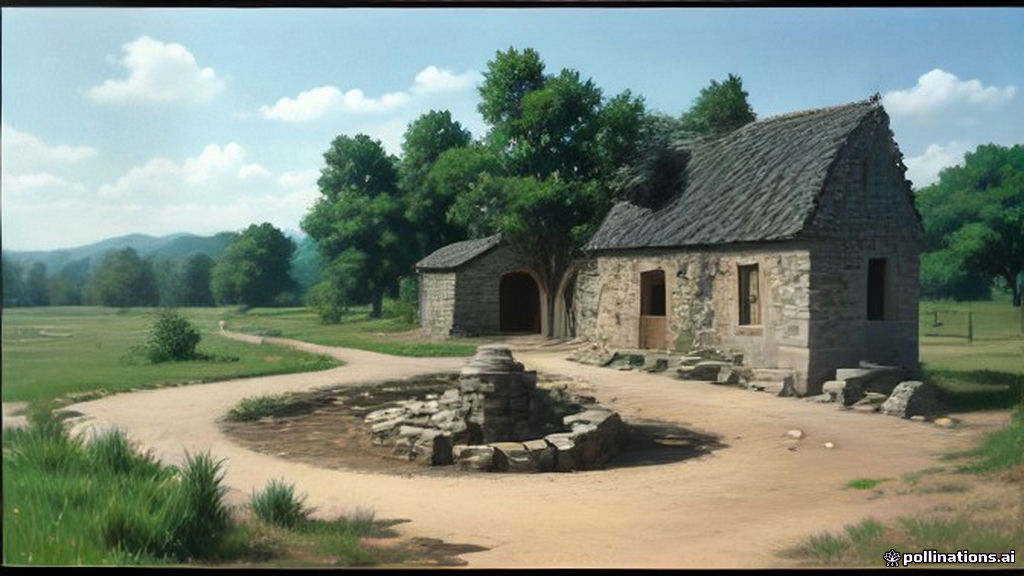
The first stone they threw didn't hit me, but it shattered the windshield of my old truck, spraying safety glass like diamonds across my lap. I sat there in the driver's seat, engine idling, watching the faces of the men I had grown up with. My cousin Elias, his face twisted in a sneer, held a rock the size of a grapefruit. Behind him, the village elders stood with their arms crossed, looking at the ground, refusing to meet my eyes. They weren't just angry; they were afraid of the change I had brought, and it was easier to break me than to admit they were thirsty.
The Cost of a Dry Horizon
For three years, I had worked in the city, scrubbing floors and taking double shifts, sending every spare cent home to hire the drillers. Our village, Oakhaven, had been dying of thirst for a decade. The local creek had turned to a vein of black mud, and the livestock were being sold off for pennies on the dollar. I saw a map, hired a hydrologist, and spent forty thousand dollars—my entire inheritance from my grandfather—to tap the deep aquifer beneath the North Ridge. I did it for them. I did it because I remembered the taste of the water when I was a child, clear and cold as winter.
When the drill finally hit the water table, the celebration lasted exactly one night. By morning, the whispers had started. Someone told the village council that I was going to meter the water, that I was going to charge them for what the earth had given, that I was a puppet of the city developers. It was a lie so transparent it hurt to look at, but in a desperate place, a lie is often more comforting than a difficult truth. They didn't want to owe me. They wanted to believe I was the villain so they could reclaim their dignity without acknowledging their dependence.
The thirst of the spirit is a far more dangerous drought than the thirst of the throat; it turns neighbors into scavengers and friends into ghosts.
The Quiet Departure
I left that afternoon. I didn't fight back. I didn't shout or try to explain the contracts, which clearly stated the water was a public trust, free for every household. I simply gathered my tools, packed the few clothes I had in the shed, and drove away as they cheered, thinking they had won. I spent the next five years in a coastal town, working as a mechanic, learning to keep my head down and my pockets empty. I heard rumors, of course. The well I had dug was capped by the village council. They refused to use it because it had my name on the permit. They went back to hauling water from the distant river, watching their fields turn to dust once again.
The Return of the Prodigal
It was a Tuesday when Elias showed up at my garage. He looked ten years older, his clothes stained with the red dust of our home village. He didn't speak for a long time. He just stood there, watching me work on a transmission. When he finally spoke, his voice was thin, like parchment. The well had failed—not because of the water, but because the neglect had caused a structural collapse in the shaft. They had tried to fix it themselves, but they had blocked the flow entirely. The village was officially abandoned by the state, and the last of the families were packing their bags.
I asked him why he came. He looked at his boots, the same boots he had worn the day he threw the rock. He told me they had nowhere else to go, and that he had realized, too late, that I was the only one who had ever looked at the horizon and seen anything other than a wall. He begged me to come back, to fix the mess, to save what was left. He even tried to offer me a portion of the land, as if the soil held any value without the water to sustain it.
The Final Measure
I didn't go back to Oakhaven. Instead, I took the final remaining funds from my savings—the money I had been putting aside for a house—and I bought the land adjacent to the village, the land that held the secondary aquifer. I built a small, private farm with a high fence and a deep, protected well. When the last of the villagers passed my gate on their way to the highway, leaving the valley forever, they stopped. They saw the green grass, the apple trees, and the clear, flowing irrigation channels.
I stood on my porch and watched them. They didn't ask for water anymore; they knew better. They just looked at the life I had built, a life they could have shared if they hadn't been so busy protecting their own shadows. I poured a glass of cool water from my tap, walked to the fence, and poured it onto the dry, cracked earth of the road. I didn't say a word. I didn't need to. The silence said everything that needed to be said.
Is it truly justice if you have to sit alone to enjoy it?