The Binary Bloom: A Kimchi Fried Rice Ritual
The Digital Metabolism
In the quiet hum of a late-night coding session or the frantic transition between meetings, our bodies often crave something that matches the sharpness of our digital lives. Enter the Binary Bloom: a Kimchi Fried Rice ritual that functions much like an efficient script—high impact, minimal latency, and perfectly balanced. This dish isn't just about sustenance; it's about the chemistry of fermentation meeting the immediacy of a scorching-hot wok or skillet. The tang of aged kimchi acts as the perfect acidic counterpoint to the starch of day-old rice, creating a flavor profile that is as complex as it is accessible.
To master this, one must embrace the 'glitch'—the beautiful, charred bits of rice that develop when you let the pan do its work without constant intervention. This recipe is designed for those who appreciate the intersection of tradition and efficiency, providing a reliable baseline that you can optimize with whatever protein or vegetable happens to be lurking in your refrigerator.
The Architecture of Ingredients
Before you turn on the heat, ensure your workspace is ready. Mise en place is the ultimate productivity hack in the kitchen. For a standard two-serving portion, you will need:
- 2 cups of day-old short-grain white rice (cold is non-negotiable)
- 1 cup of well-aged kimchi, roughly chopped
- 2 tablespoons of gochujang (Korean chili paste)
- 1 tablespoon of toasted sesame oil
- 1 tablespoon of neutral high-smoke-point oil (like grapeseed or avocado)
- 2 cloves of garlic, minced
- 2 green onions, thinly sliced (separate whites and greens)
- 2 large eggs
- Optional: 1/2 cup of protein (diced spam, tofu, or leftover chicken)
- To garnish: Toasted sesame seeds and shredded nori (dried seaweed)
Executing the Script
Begin by heating your skillet or wok over medium-high heat. Add the neutral oil, then toss in the whites of the green onions and the minced garlic. Sauté for about 30 seconds until the aroma fills the room, then add your chosen protein if you are using one. Once the protein is browned, introduce the kimchi. This is the crucial step: let the kimchi sear for two minutes to concentrate its sugars and deepen the flavor profile.
Next, introduce the rice. Use a spatula to break up any clumps, pressing the grains into the surface of the pan. This is where the magic happens. Let the rice sit undisturbed for 2-3 minutes to develop a crispy crust—a texture the Japanese call 'okoge.' Stir in the gochujang and sesame oil, ensuring every grain is coated in that signature crimson hue. Remove the mixture from the pan and plate it immediately.
The secret to a perfect fried rice is the temperature of the grain. If you use fresh, hot rice, the starch will turn gummy. Always use cold, day-old rice to ensure each grain remains distinct and can absorb the flavor of the kimchi juice.
The Final Compile
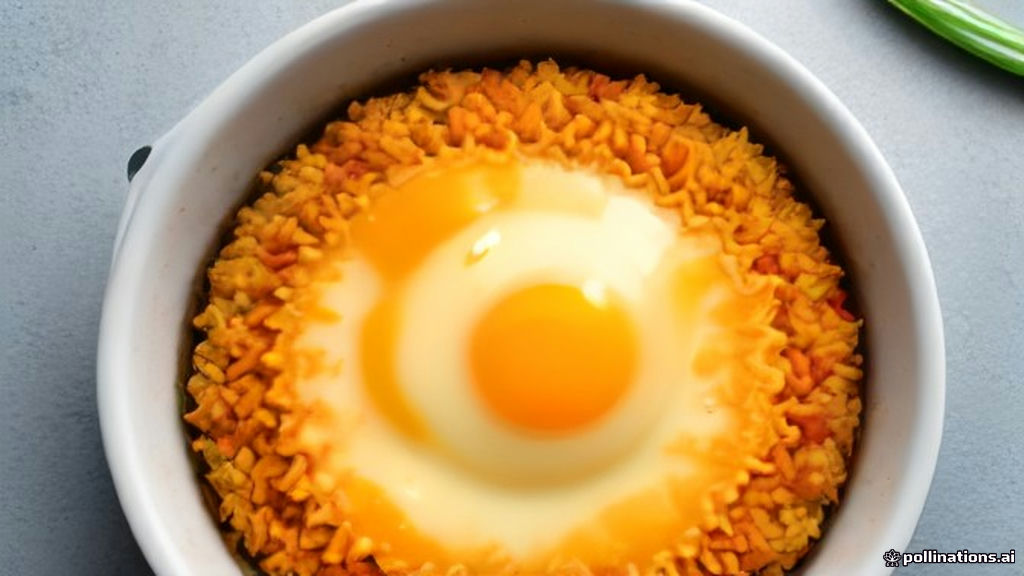
With the rice plated, return the pan to the heat for the final touch: the fried egg. Using the same residual flavor in the pan, crack your eggs and cook until the whites are set but the yolk remains a liquid gold. Slide the egg directly on top of your rice mound. The warmth of the rice will continue to cook the egg gently as you carry it to the table.
Garnish the dish with the reserved green onion tops, a generous sprinkle of sesame seeds, and a dusting of shredded nori. The nori adds a subtle, oceanic umami that bridges the gap between the spicy kimchi and the rich, creamy yolk. This is your reward for a day well-spent—a bowl that provides both comfort and a sharp, spicy wake-up call to the senses.
Whether you are refueling for a late-night creative sprint or simply enjoying the transition into the evening, this ritual offers a consistent, high-performance meal. The Binary Bloom is proof that complex flavors don't require complex processes; they only require the right approach to timing and heat.