The Geography of Stray Sand: Why We Keep the Remnants of Distant Shores
The Microscopic Souvenirs of Place
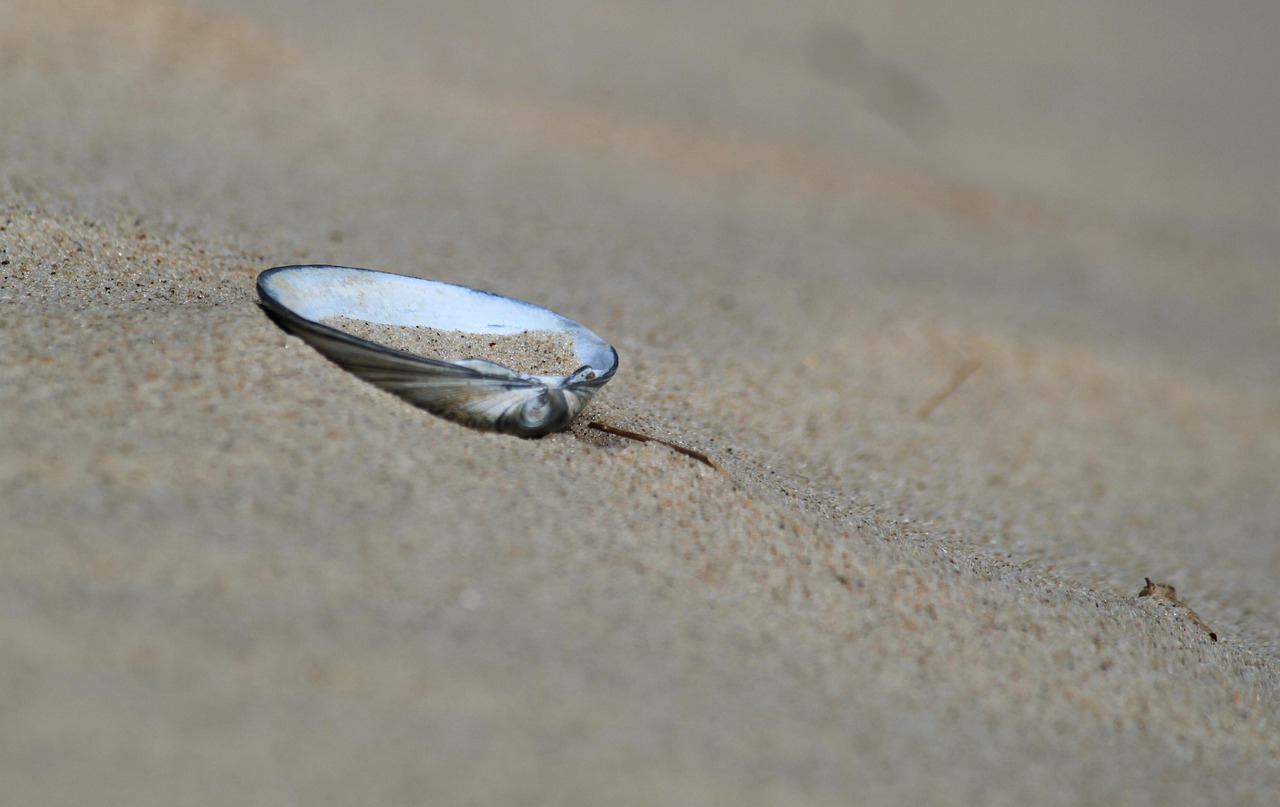
We all know the ritual. Months after returning from a seaside escape, you reach into the bottom of a suitcase or shake out a pair of sneakers, and a tiny, gritty reminder falls onto the floor. It is a grain of sand—a geological migrant that has traveled thousands of miles across borders and time zones to land in your living room. While most people would reach for the vacuum, there is a quiet, almost poetic reason why we often hesitate to sweep it away.
This stray sand is not mere debris. It is a physical coordinate, a tiny, jagged piece of the world that holds the specific mineral composition and history of a place you once occupied. By keeping it, we are subconsciously holding onto the geography of our own past, refusing to let the physical connection to a distant shore completely dissolve into the ether of memory.
The Weight of Deep Time
Sand is, in its own right, a monument to deep time. Every grain is a fragment of a mountain that has been ground down by the relentless patience of the ocean. When we transport that sand from a beach in Greece or a cove in California to our bedroom, we are bringing a piece of the planet's ancient history into our intimate, modern spaces. It is a collision of the eternal and the temporary.
A grain of sand is the smallest souvenir on earth, requiring no shelf space, yet it carries the entire weight of a shoreline's history.
The Psychology of Physical Proof
Why do we cling to these remnants? In an age of digital photographs and ephemeral social media posts, our memories often feel like ghosts—present, but intangible. A grain of sand acts as a tactile anchor. It is proof. It validates that you were truly there, that the wind whipped through your hair at that specific latitude, and that the ocean touched your feet. It is the most honest souvenir you can possess because it was not purchased; it was acquired through the simple, unpretentious act of existing in a place.
The Conflict Between Order and Experience
There is a constant tension in our homes between the desire for sterile order and the human need to archive our experiences. We spend our lives trying to keep our spaces pristine, yet we feel a pang of loss when we discard the physical evidence of our travels. That layer of grit in the bottom of a bag is a record of a transition. It reminds us that we are mobile beings, forever carrying pieces of our previous locations into our next ones.
- Sand as a non-commercial, authentic record of travel.
- The psychology of environmental remnants and hoarding memories.
- How physical anchors help us process the transience of life.
Ultimately, these grains are reminders that our lives are not confined to a single room or a single city. They are evidence that we have moved, changed, and interacted with the vast, shifting geography of the world. The next time you find a stray grain of sand in your pocket, don’t treat it as trash. Recognize it for what it is: a tiny, persistent traveler that chose to come home with you to keep your story alive.