The Mosaic of Broken Tiles
I spent three years beautifying our village square, only to be branded a vandal by the very neighbors who once cheered me on.
The Cost of Beauty
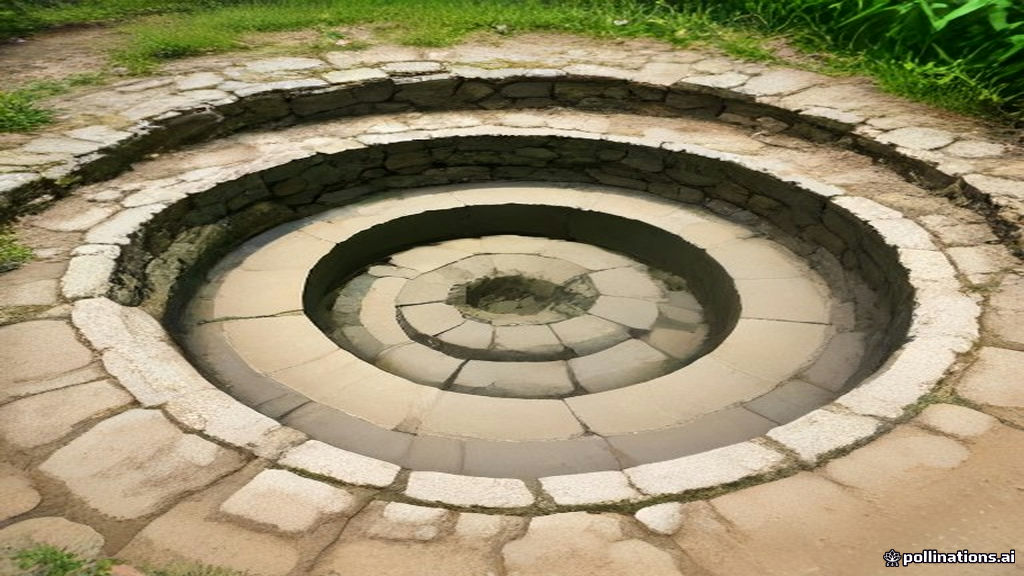
The cement was still wet on the final panel of the village fountain when the sheriff walked up, his boots leaving heavy, rhythmic prints in the dust of the town square. I had spent three years of my life, every weekend and every savings account balance, turning the dilapidated, urine-stained concrete basin into a vibrant mosaic of local flora. I remember the smell of the grout and the sharp, clean bite of the ceramic shards I had hand-cut to form the shape of a wild lily. I was proud. I was finished.
"Take it down, Elias," he said, not looking at the mural, but at his fingernails. "The council voted this morning. It's a public nuisance, an eyesore. And besides, you didn't have the permit to alter municipal property." I felt the blood drain from my face. These were the same people who had brought me coffee while I worked in the summer heat, who had praised the transformation of the town's ugliest corner. The betrayal wasn't the law; it was the silence of the neighbors who watched from their windows as I began to chip away at my own work with a sledgehammer.
The Weight of the Silence
The next month was a blur of cold indignity. I was forced to haul away the rubble in a rented truck, the expense of which effectively wiped out the remainder of my emergency fund. No one offered to help. When I walked to the local market, the conversations would stop abruptly, replaced by the sound of shuffling feet and averted eyes. I was the man who had been 'too ambitious,' the one who dared to make something permanent in a place that preferred its decay.
The worst part about doing a good deed in a small town is not the criticism, but the suspicion that your effort made someone else feel small.
I left the village that winter. I didn't announce my departure; I simply locked the door of my small flat, left the keys under the mat, and drove until the landscape turned into something unrecognizable. I worked in a factory three towns over, saving every penny, living on instant oats and cheap tea, keeping my head down. I didn't look back, and I certainly didn't write.
The Turn of the Tide
Five years passed before the phone call came. It was the mayor, his voice thin and cracking with desperation. It turned out the fountain had become a source of contention for tourists—the town's only real claim to fame had been the photographs of my mosaic, which had gone viral online long after I left. They had tried to paint it, to plant flowers, to install a generic statue, but nothing held the charm of the tiles. The square was desolate, and the revenue from the summer festival had plummeted.
"Elias, we want you back. We’ll pay double for the restoration. The council has officially apologized, and we have the budget now." I listened to him list the concessions, the public recognition, the promise of a plaque with my name. I pictured the square, the grey, soulless concrete, and the people who had watched me break my own heart with a hammer. I felt no anger, only a strange, cold clarity.
The Final Answer
I didn't yell. I didn't boast. I simply asked, "Do you know where the shards are?" He paused, confused. "The tiles? We swept them into the landfill years ago, Elias. Why?" I smiled at the receiver, looking out at the sprawling, vibrant garden I had built in my new home, a place where people actually valued the work of others. "That's a shame," I said, my voice steady and light. "Because that was the only version of that fountain that existed. You don't get a second chance to break something beautiful."
I hung up the phone and walked back outside to finish weeding my rows. I never heard from them again, and frankly, I never cared to check if they ever found a way to fill that empty space in the square. Sometimes, the most powerful thing you can do is simply refuse to be part of someone else's restoration.