The Marrakesh Sunset: A Slow-Cooked Lamb Tagine Ritual
The Essence of the Maghreb in Your Home
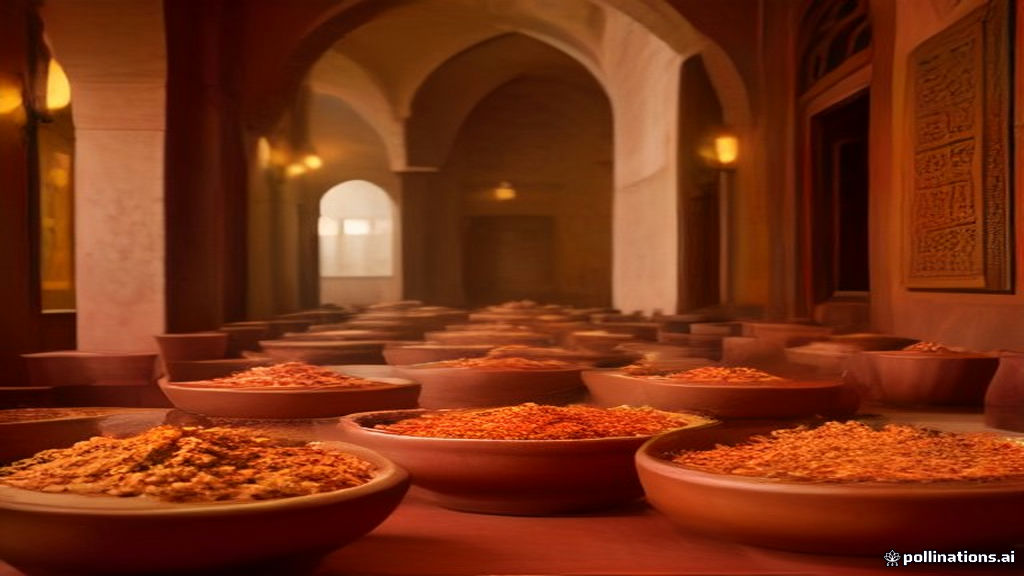
There is a specific quality of light that hits the red walls of Marrakesh as the sun begins to dip below the horizon. It is a warm, honeyed glow that seems to demand something equally rich and comforting. The lamb tagine is not merely a meal; it is a ritual of slow transformation. By combining earthy spices, tender meat, and the sweetness of dried fruits, you create a complex flavor profile that feels like a journey across the Sahara. This dish relies on the ancient principle of slow-braising, where time does the heavy lifting, allowing the collagen in the lamb to break down until it is fork-tender.
Preparing a tagine requires a shift in mindset. It is an invitation to slow down, to step away from the urgency of modern life, and to engage with the sensory details of cooking: the deep, woody aroma of cinnamon sticks, the citrusy brightness of ginger, and the floral sweetness of dried apricots. When you prepare this dish, you are honoring a tradition of hospitality that has been refined over centuries in the heart of Morocco.
The Essential Ingredients
To capture the authentic spirit of this dish, you need high-quality ingredients that balance heat, sweetness, and deep savory notes.
- 2 lbs (1kg) lamb shoulder, cut into large, uniform chunks
- 2 tablespoons olive oil
- 2 large yellow onions, finely diced
- 3 cloves garlic, minced
- 1 teaspoon ground ginger
- 1 teaspoon ground turmeric
- 1 teaspoon ground cinnamon
- 1/2 teaspoon ground coriander
- 1/4 teaspoon cayenne pepper (optional, for a subtle kick)
- 2 cups chicken or lamb stock
- 1 cup dried apricots
- 1/2 cup blanched almonds, toasted
- Fresh cilantro and parsley for garnish
- Sea salt and freshly cracked black pepper to taste
The Ritual of the Slow Braise
Begin by searing your lamb. This step is non-negotiable for building depth of flavor. In a heavy-bottomed pot or an actual earthenware tagine, heat your olive oil over medium-high heat. Brown the lamb in batches, ensuring each piece develops a golden-brown crust. Remove the meat and set aside, then reduce the heat to medium and add your onions. Sauté them until they are translucent and just beginning to caramelize, which takes about 10 minutes. Stir in your garlic and spices, letting them bloom in the residual fat until the kitchen is filled with their intoxicating aroma.
Return the lamb to the pot and pour in the stock. The liquid should just barely cover the meat. Bring the mixture to a gentle simmer, then cover tightly. Reduce the heat to the lowest setting possible. Let it cook undisturbed for at least two hours. Patience is your most important ingredient here. After two hours, stir in the dried apricots and continue to cook for another 30 to 45 minutes. The fruit will rehydrate and release its sugars, creating a glossy, thickened sauce that clings to the tender lamb.
The secret to a perfect tagine is the resting period. Even when the meat is tender, giving the dish 15 minutes off the heat allows the sauce to emulsify and the flavors to truly marry.
Serving and Variations
Serve this dish in shallow bowls, preferably over a bed of fluffy, buttered couscous or alongside warm, crusty khobz bread used for scooping. The contrast between the savory lamb and the sweetness of the apricots is the signature of the dish. To add a bit of texture, sprinkle the toasted almonds over the top right before serving, along with a generous handful of freshly chopped cilantro and parsley.
If you wish to experiment, consider adding preserved lemons, which provide a salty, fermented tang that cuts through the richness of the lamb. If you prefer a more vegetal approach, you can incorporate chickpeas or roasted carrots halfway through the cooking process. For a lighter version, swap the lamb for chicken thighs, reducing the cooking time by roughly 45 minutes. Regardless of your chosen variation, the core of the ritual remains the same: a slow, deliberate process that rewards you with an extraordinary meal.
Ultimately, this lamb tagine is a reminder that the best flavors are not rushed. By dedicating your afternoon to this aromatic masterpiece, you create a space for conversation, warmth, and genuine connection. Whether shared with family or enjoyed in the quiet solitude of a Sunday evening, this meal offers a bridge to the vibrant culture of North Africa.