The Archaeology of the Faded Ticket Stub: Why We Hoard Our Lost Premieres
The Anatomy of a Memory
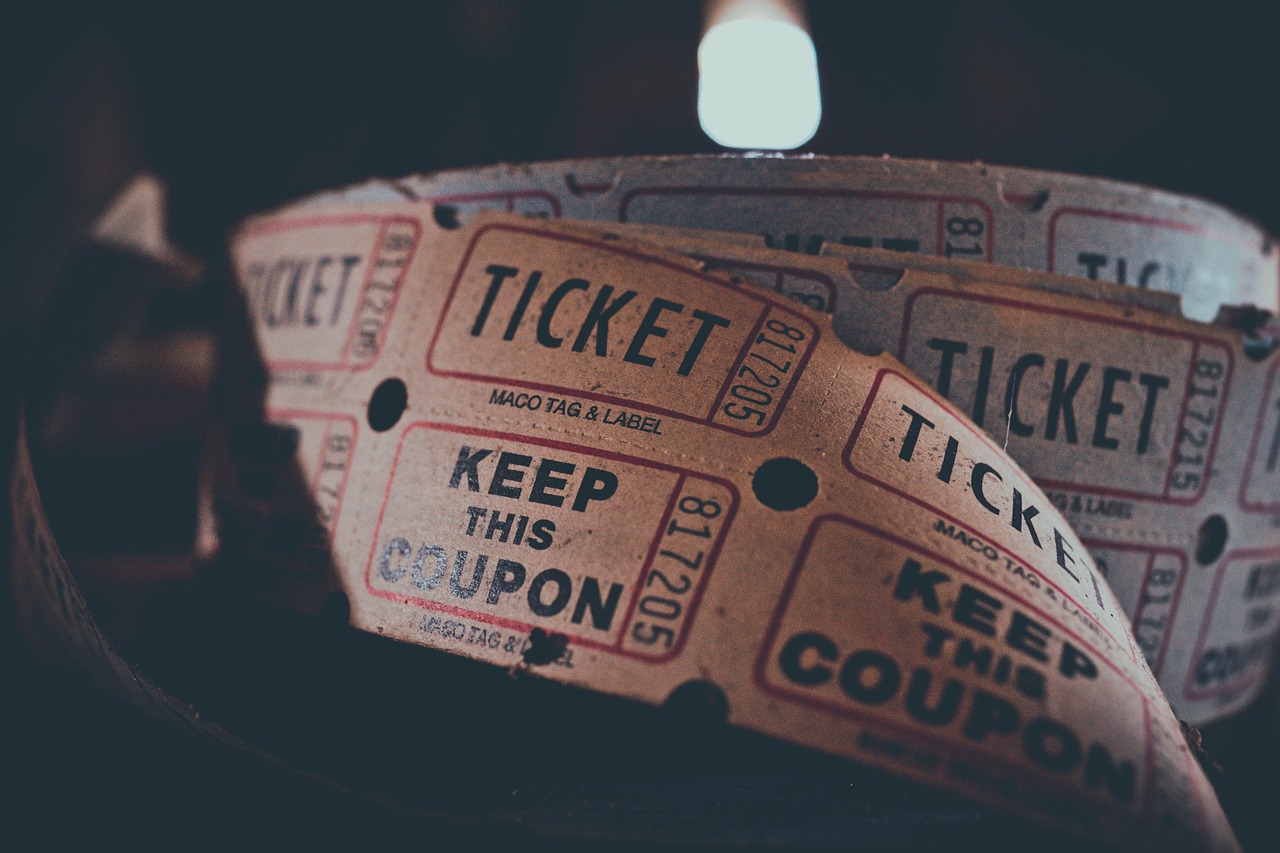
It starts innocently enough. You see a movie, you enjoy the experience, and you shove the ticket stub into your pocket rather than the trash can. Over time, that singular slip of paper becomes a talisman. It is a physical manifestation of a moment in time—a specific date, a specific theater, and a specific version of who you were when the lights went down. We are living in an increasingly digital world, yet we cling to these fragile, fading thermal prints as if they were ancient scrolls holding the secrets of our past.
Why do we keep them? Unlike a digital calendar entry or a saved movie file, a ticket stub is a visceral connection to the physical space of the cinema. It carries the faint scent of stale popcorn and the tactile memory of a velvet seat. It is the artifact that proves you were there for the opening night of that franchise finale, or the indie film that changed your perspective on life.
The Timeline of Our Cultural Evolution
If you were to lay out your collection of ticket stubs chronologically, you would essentially be mapping your own personal cultural history. You can see the shift from the blockbuster era of your childhood to the more experimental choices of your young adulthood. Each stub acts as a timestamp for your personal evolution. Did you see that romantic comedy on a first date that went nowhere? Is that stub from a movie you saw solo on a rainy Tuesday just to escape the world?
- The 'Date Night' stubs: Often accompanied by a preserved restaurant napkin or a movie theater receipt.
- The 'Epic' stubs: The ones from three-hour-long fantasy movies that defined an entire summer.
- The 'Regret' stubs: The movies you saw just because you had a free pass, which now serve as funny anecdotes.
The Fragility of Thermal Ink
There is a tragic beauty in the way ticket stubs age. The thermal ink, designed for short-term utility, eventually fades into a ghostly blankness. This isn't a bug; it's a feature of their existence. Just as our memories soften around the edges, the details on these stubs vanish. You might be left with a white piece of paper, but you know what it represents. It is a reminder that the experience itself is what matters, not the evidence of it.
The value of an object is not in its durability, but in the intensity of the emotion it triggers when rediscovered at the bottom of a drawer.
The Digital Void vs. The Physical Scrap
In the age of QR codes and wallet apps, the physical ticket stub is becoming an endangered species. There is a distinct lack of romance in a screenshot of a digital barcode. When the power goes out or the phone screen cracks, the digital record vanishes without a trace. The physical stub, however, survives. It waits for you in a shoebox, a forgotten journal, or the pocket of a winter coat you haven't worn in three years. It is a testament to the fact that you lived, you watched, and you felt.
Preserving Your Personal Archives
If you have a collection sitting in a box, consider moving them into a dedicated scrap-book or a photo album. You don't need to be an artist; just the act of grouping them together gives them a narrative structure. By organizing your stubs, you aren't just cleaning your room—you are curating a museum of your own joy. It is a way to look back at the cinematic landscape of your life and recognize the plot points that shaped your identity.
Ultimately, the ticket stub is a bridge between the person you were in that crowded theater and the person you are today. Keep them, cherish them, and let them serve as a reminder that the stories we consume become the stories we tell about ourselves. The next time you find a faded, blank slip of paper in your wallet, don't throw it away. Recognize it as a tiny monument to a moment you once lived.