The Archaeology of the Forgotten Key: Why We Hoard Our Anonymous Thresholds
We all have that one drawer filled with keys that don't fit anything. Here is why we keep them.
The Drawer of Mystery
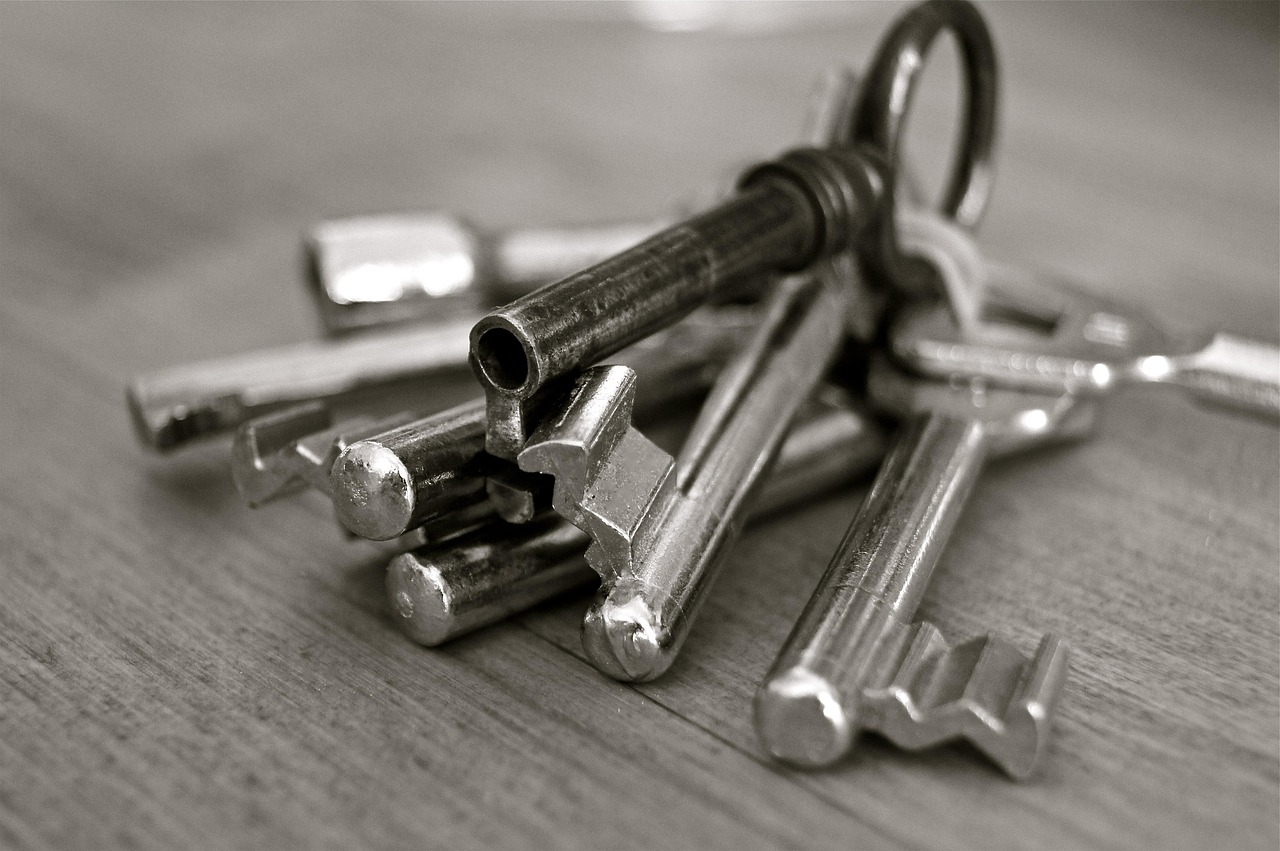
Every household has a junk drawer, and within that drawer, there is almost certainly a rogue collection of metal keys. These aren't keys to your current home, nor are they for your car. They are survivors of past lives, remnants of apartments you moved out of in 2012, padlocks for suitcases you lost in transit, or perhaps a small, ornate skeleton key that has never opened a single door in your entire existence. We keep them not because they are useful, but because they are physical anchors to a time when we possessed access to spaces we no longer inhabit.
There is a peculiar tension in holding a key that serves no purpose. When you pick it up, your fingers trace the jagged teeth, and for a split second, you are transported back to the heavy front door of a studio apartment in a city you once lived in. The key is a dormant gatekeeper, a physical representation of an threshold that has been permanently closed to you. We hoard them because letting go feels like a final act of exclusion—a signal that we are no longer welcome in our own past.
The Anatomy of Potential
Part of the reason we hesitate to toss these keys is the lingering fear of the 'what if.' Even when we know logically that the lock has been changed or the door has been demolished, the key remains a symbol of latent possibility. It represents a promise that was once made—the promise that you could return whenever you pleased. In a world where we move so frequently and our digital presence is constantly erased or updated, the heavy, cold weight of a metal key feels refreshingly permanent.
The key is a silent witness to our transitions. It reminds us that while we have moved forward, we were once the masters of a space that is now just a memory.
We often tell ourselves we keep them just in case we find the lock. But the archaeology of the forgotten key suggests something deeper: we are keeping the mystery alive. By refusing to throw away a key that no longer fits, we maintain a small, tangible link to the unknown. It is a way of saying that even if the door is gone, the memory of the room remains locked inside our own personal museum.
The Weight of Discarded Access
Consider the emotional heft of a key from a childhood home. It is perhaps the most potent artifact in the collection. Even if the house has been sold and renovated by strangers, the key feels like a piece of the foundation. Throwing it away feels like an act of betrayal. We treat these objects with a strange reverence, tucking them into velvet-lined boxes or burying them at the bottom of a desk organizer, treating them as relics rather than scrap metal.
This hoarding behavior highlights a fundamental human need to catalog our past through objects. We use these keys to map our personal geography. When we look at a ring of keys, we aren't seeing utility; we are seeing a map of everywhere we have ever been. Each key is a coordinate, a time-stamp, and a silent testament to a transition point in our lives.
Why We Hold On
Ultimately, the reason we hoard these abandoned keys is that they represent a version of ourselves that we are not quite ready to let go of. A key is a tool of agency; it proves that at one point, we had the power to enter, to leave, and to secure our own space. To discard the key is to admit that the agency we held in that previous life has been transferred or lost. We keep them to feel secure in the knowledge that, at one time, we belonged somewhere.
Take a look at your own junk drawer today. Instead of seeing it as a repository of clutter, see it for what it truly is: a collection of past lives. Don't feel guilty for holding onto them. These keys are not just bits of brass and steel; they are the physical manifestations of the doors you have opened and the thresholds you have crossed. Keep them until you are ready to let the memory go, and know that you are not just hoarding metal—you are curating your own history.