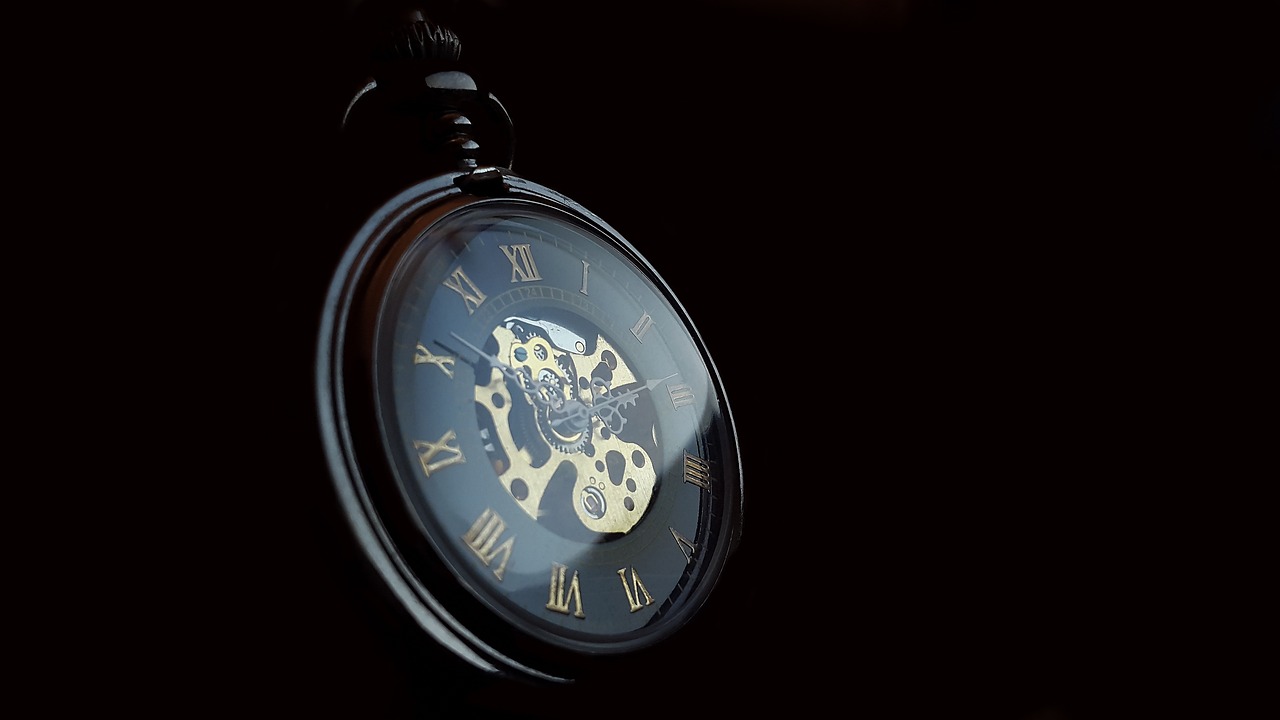
The Archaeology of the Dead Watch Battery: Why We Keep Our Frozen Time
We all have one. Tucked away in the furthest corner of a junk drawer, or sitting forgotten on a bookshelf, is a watch that stopped ticking years ago. The battery died, the hands froze, and yet, we cannot bring ourselves to throw it away. Why? A watch is, by definition, a tool for measurement—a device designed to march forward with the seconds. When it stops, it becomes a failure of function. And yet, there is something deeply human about hoarding these silent, frozen companions.
The Preservation of a Specific Moment
When a watch dies, it effectively locks a specific moment in time. The hands stop at 4:12, and for some reason, we associate that position with a period of our lives that felt significant. Perhaps it was the watch you wore when you got your first job, or the one you bought during a trip to a city you’ll never return to. By not replacing the battery, we are not failing to maintain a tool; we are preserving a relic. We are refusing to let that specific version of ourselves be replaced by the current, moving present.
We hold onto dead watches not because we are lazy, but because we are curators of our own personal history, terrified of the relentless forward motion of the clock.
The Comfort of Stasis
In a world obsessed with productivity, efficiency, and constant connectivity, the dead watch is a small, quiet act of rebellion. It is an object that says, "here, time does not apply." When you look at it, you aren't checking the hour; you are checking the memory. The dead battery provides a sense of stasis that the rest of our digital lives lack. Our phones ping, our laptops demand updates, and our calendars are cluttered with tasks. The watch in the drawer remains perfectly, beautifully still.
The Aesthetic of Decay
There is also an archaeological layer to these objects. They represent the design language of a past version of ourselves. A metal band that once looked sleek now looks dated; a scratched glass face tells the story of every doorframe we bumped into during our twenties. They are physical evidence of our own evolution. To throw them away would be to discard the tangible proof that we have lived, aged, and changed.
- The physical weight of the watch acts as an anchor to a previous identity.
- The fading glow of the dial serves as a reminder of nights spent waiting for something to happen.
- The worn-down strap bears the literal impression of our pulse from years past.
The Uncomfortable Truth of Replacement
Replacing the battery is a violent act. It forces the object back into the stream of time. It demands that the watch once again serve the purpose of counting down our remaining seconds. Often, we leave them dead because we aren't ready to "restart" the era that the watch represents. We prefer the quiet, non-functional ghost of who we were to the ticking reminder of who we are becoming.
The next time you find yourself rummaging through your belongings and your fingers brush against that cold, still watch, don't rush to fix it. Acknowledge it for what it is: a monument to a moment you chose to save from the erosion of daily life. Sometimes, the most meaningful thing a watch can do is stop.