The Archaeology of the Empty Condiment Bottle: Why We Hoard Our Culinary Echoes
Ever wonder why you keep that nearly empty bottle of artisanal hot sauce in the back of your fridge? It is not hoarding; it is a souvenir of a flavor profile that once defined your palate.
The Fridge Door Museum
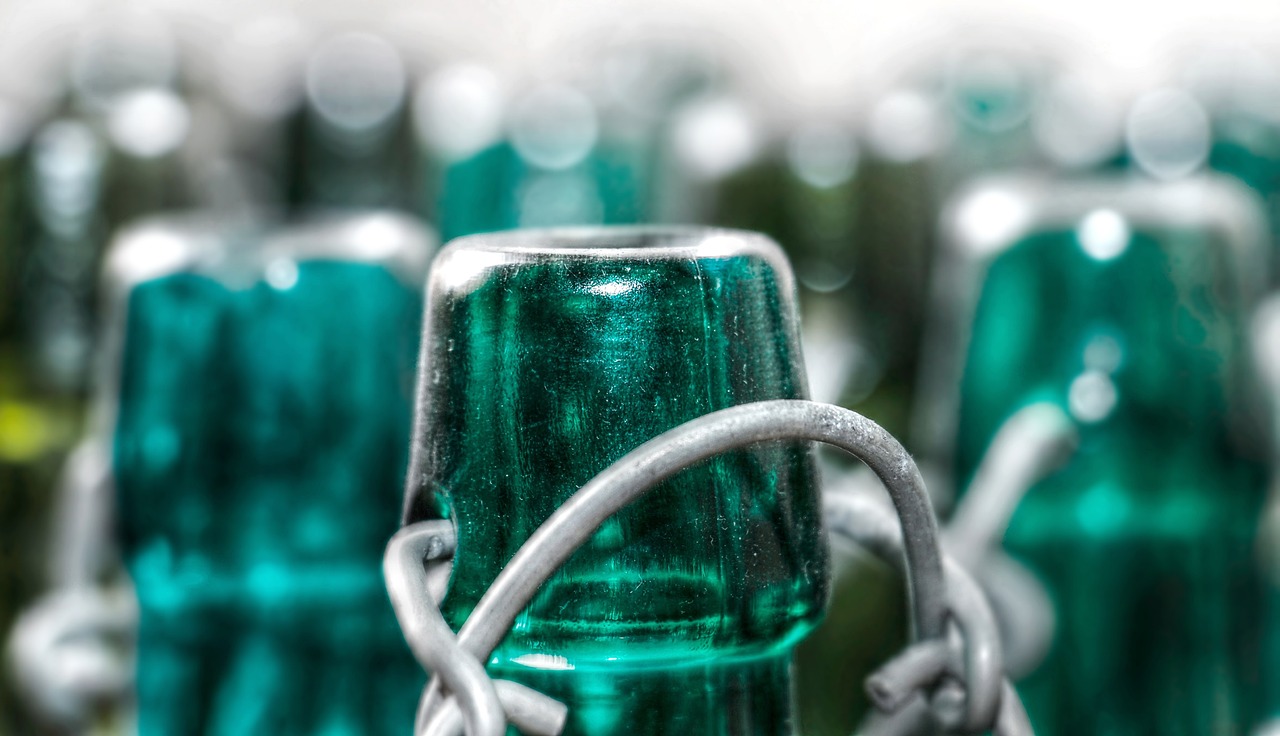
We all have that one shelf—the graveyard of half-empty bottles, crusty-rimmed jars, and squeeze tubes that have long since expired. It is a peculiar habit, isn't it? We keep them long after the thrill of the initial purchase has faded, long after the specific meal they were meant to accompany has been digested and forgotten. But these aren't just remnants of past meals; they are the artifacts of our culinary identity. Each empty bottle of Sriracha or artisanal balsamic glaze represents a version of ourselves that we were trying to inhabit at the time.
When we look at these bottles, we see a timeline of our growth. That bottle of truffle oil you bought in 2021 during your brief 'home chef' phase? It is a monument to an aspiration. You didn't just buy the oil; you bought the identity of someone who makes mushroom risotto on a Tuesday night. The fact that the bottle remains, mostly full and gathering dust, is a gentle reminder of the gap between who we want to be and who we actually are when we are tired after work.
The Psychology of the Residual Flavor
Why do we find it so hard to throw them away? There is a subtle psychological phenomenon at play here: the fear of losing the 'possibility' of a flavor. As long as there is a teaspoon of that rare, imported chili paste left, the potential for a spectacular meal remains. Once you toss the bottle, you are effectively closing the door on that specific culinary experiment. We hoard these items because they hold the promise of a future where we have the time and energy to use them properly.
- The 'Special Occasion' Trap: Keeping sauces for meals that never materialize.
- The 'Sunk Cost' Fallacy: Believing that because you paid ten dollars for it, it must be useful eventually.
- The Nostalgia Factor: Keeping the hot sauce from that trip to New Mexico as a sensory anchor to the vacation.
The empty condiment bottle is the most honest mirror we have in our kitchen; it shows us exactly what we value versus what we actually practice.
The Anatomy of Culinary Regret
Consider the crusty-rimmed bottle of high-end mustard. You bought it for a specific sandwich, used it once, and then pushed it back behind the pickles. Now, it stands as a sentinel of a forgotten lunch. This isn't just about food waste; it is about the emotional labor we attach to our grocery shopping. We often purchase items that represent a life we aren't quite living yet. When we finally clean out the fridge, we are performing an archaeological dig through our own failed resolutions and abandoned hobbies.
It is important to recognize that this hoarding serves a defensive purpose. By keeping these ingredients, we protect ourselves from the guilt of wasted money or failed aspirations. As long as the item is in the fridge, it is a 'pantry staple' rather than a 'failed purchase.' We treat these objects with a strange reverence, shifting them aside during cleaning as if they were sacred relics rather than expired condiments.
The Liberation of the Empty Shelf
There is a profound sense of lightness that comes with the purge. When you finally decide to recycle that bottle of pomegranate molasses that has been sitting there since the Obama administration, you aren't just cleaning; you are liberating yourself. You are acknowledging that the version of you who needed that ingredient has evolved. You are clearing the physical space for the ingredients that actually serve the person you are today.
If you find your fridge door overflowing with these culinary echoes, try this: pick one bottle every day and either use the last drop or recycle it. Don't look at it as discarding food; look at it as tidying your history. The goal is to move from a kitchen that serves as a tomb for past ambitions to a space that fuels your current reality.
Ultimately, the most important takeaway is this: your culinary identity is not defined by the ingredients you own, but by the ones you actually use. Clear the clutter, let go of the aspirational condiments, and make room for the flavors that truly belong in your life right now.