The Archaeology of the Paper Coaster: Why We Hoard Our Liquid Journeys
The Cardboard Cartography of Memory
I recently moved my desk and, in the process of clearing out the bottom drawer, discovered a small, slightly stained stack of paper coasters. There was one from a dim, smoke-filled jazz club in New Orleans, another from a neon-lit ramen shop in Tokyo, and a third from a seaside pub in Cornwall. To a casual observer, these are bits of trash—damp-damaged, stained, and utterly useless. To me, they are the paper currency of my travels. We often talk about souvenirs as grand things: a statue, a piece of jewelry, or a photograph. But there is a specific, quiet power in the coaster, a humble object that protected a table from our drink while we sat and observed the world around us.
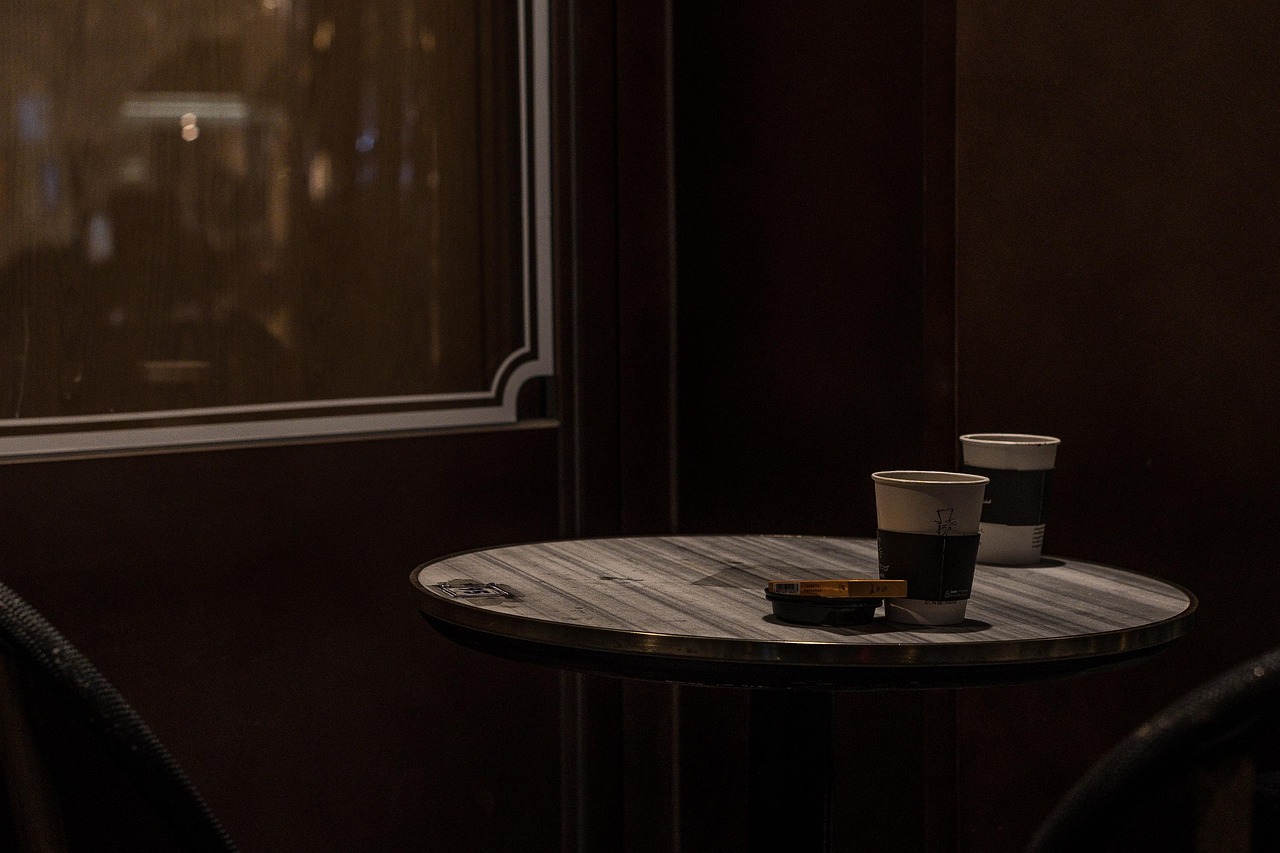
We don't bring these home because they are valuable; we bring them home because they are evidence. They represent a specific moment of rest in a foreign land. When you are traveling, you are constantly in motion, moving from one sight to the next. The coaster is where the motion stops. It is the artifact of the hour you spent sitting still, listening to a language you didn't understand, or watching a street scene unfold while you sipped a local lager.
The Sensory Archive of the Bar Counter
Why do we keep them? Perhaps it is because they act as sensory triggers that photographs simply cannot replicate. A photo captures how a place looked, but a coaster captures the tactile reality of the moment. The texture of the pulp board, the slight indentation where a glass sat, the way the condensation has blurred the printed logo—these details bring back the humidity of the room, the sound of the bartender’s shaker, and the specific rhythm of the city outside.
- The stained edges represent the shared experience of the table.
- The logo acts as a navigational pin in the map of our lives.
- The physical presence of the object bridges the gap between 'there' and 'here'.
The coaster is the most democratic souvenir. It requires no luggage space, it costs nothing, and it marks the exact intersection of a person and a place.
The Geography of the Tabletop
Think about the last time you traveled. You probably spent more time sitting in cafes, bars, and bistros than you did in museums. Museums are scripted experiences; the café, however, is where the authentic life of a city happens. By hoarding these coasters, we are building a private museum of our actual, unscripted experiences. They remind us that our travels weren't just about the landmarks, but about the slow, mundane, beautiful act of existing in a different time zone.
When we look at a coaster, we aren't just looking at a brand. We are looking at a threshold. That cardboard disc was the boundary between our personal space and the public space of the city. It held our drink, it caught our spills, and it served as a coaster for our conversations. It is a humble, disposable item that we have imbued with the weight of memory, transforming mass-produced pulp into a personal relic.
The Ethics of the Souvenir
Some might call this hoarding, but I prefer to call it intentional archiving. In an age where everything is digitised and fleeting, there is something profoundly grounding about holding a physical object that has traveled across borders with you. It is a tactile connection to a version of yourself that existed in a different geography. These coasters don't take up much space, but they hold more weight than a hundred digital snapshots buried in the cloud.
Ultimately, these little discs of cardboard remind us that travel is not just about the big events. It is about the quiet moments—the ones where you sat, drank, and simply were. Never feel guilty about keeping these small pieces of your journey. They are the artifacts of your life’s map, and they deserve to be kept, if only to remind you that you were once there, sitting at a table in the middle of somewhere else, perfectly at home.