The Micro-Climate Travel Layering Protocol: Mastering Packing for Unpredictable Environments
The Philosophy of Modular Versatility
Most travelers fall into the trap of packing for 'destination' rather than 'conditions.' We check the forecast for London or Tokyo, see a mix of sun and rain, and pack a distinct outfit for every hour of the day. This results in heavy, redundant luggage. The Micro-Climate Travel Layering Protocol shifts the focus from aesthetics to environmental management. By treating your clothing as a modular ecosystem, you can survive a 20-degree temperature swing using only four core layers.
This method relies on the principle of thermal resistance and moisture management. Instead of packing a heavy parka that is useless in the midday heat, you pack a system that can be stripped down or built up in under sixty seconds. This isn't just about saving space; it's about maintaining a stable internal body temperature regardless of where you are standing.
The Four-Layer Architecture
To master this protocol, you must categorize every item in your suitcase into one of four specific functional layers. Do not deviate from these categories, as each serves a non-negotiable role in your thermal regulation.
- The Base Layer (The Micro-Climate Regulator): This is your second skin. It must be merino wool or high-end synthetic. Its job is to move sweat away from the body and neutralize odor. Avoid cotton at all costs; if it gets damp, you lose your thermal protection.
- The Mid-Layer (The Insulation Bank): This is your heat trap. A fleece or a lightweight down vest works best. It catches the air warmed by your body and holds it close. This layer should be compressible enough to vanish into a small pouch.
- The Shell Layer (The Element Barrier): This is your defense against wind and rain. It should be uninsulated, breathable, and waterproof. If it doesn't have a hood, it fails the protocol.
- The Accessory Layer (The Extremity Guard): Often overlooked, this layer includes a lightweight buff, merino gloves, and a collapsible hat. These items account for 30 percent of your heat loss management.
The goal of the protocol is not to be warm; it is to stay dry. Once your base layer is wet, the entire system collapses. Always prioritize moisture-wicking materials over raw thickness.
The 24-Hour Transition Exercise
Before you leave, run a dry-run of your wardrobe for a 24-hour cycle in your destination. Imagine you are leaving your hotel at 6:00 AM in 5°C (41°F) weather, moving through a transit hub at 12:00 PM in 18°C (64°F), and finishing at 8:00 PM in 10°C (50°F) with a chance of drizzle. If your current set of clothes cannot transition through these three states without requiring a full change in a public restroom, your kit is not modular enough.
Common mistakes include packing too many heavy sweaters that cannot be layered under a shell. If your mid-layer is too bulky to fit under your shell, you have created a dead-end piece of clothing. Every item must play well with the others. If a sweater cannot be worn over your base layer and under your shell, leave it at home.
Refining Your Kit for Weight and Efficiency
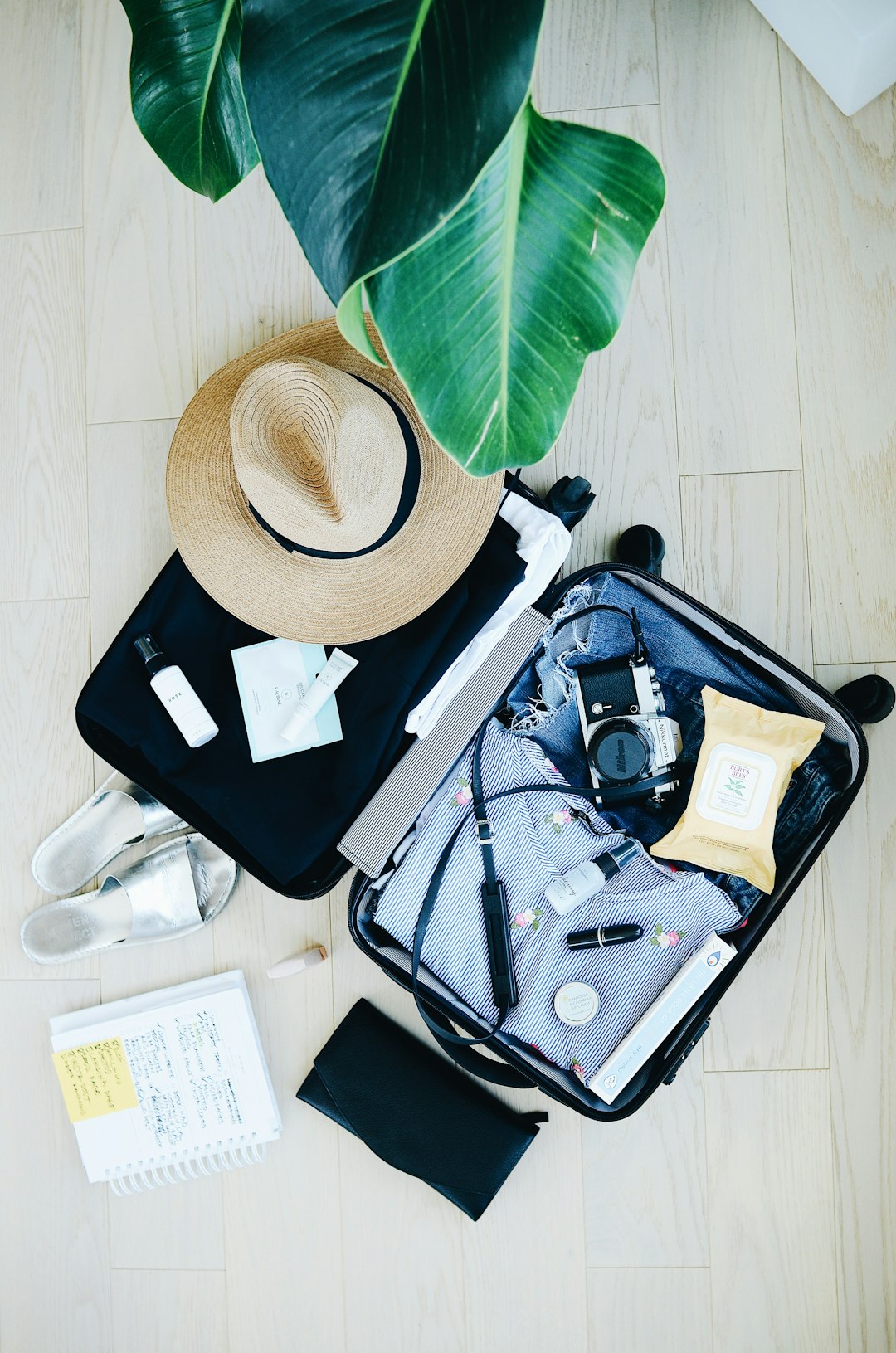
Once you have your four layers, audit the weight. A professional-grade layering system should fit into a 30-liter backpack. If your clothes weigh more than 4 kilograms total, you have too much redundancy. Use the 'Rule of Two': you need two base layers, one mid-layer, one shell, and one set of accessories. You wear one base layer and carry the spare. This allows for constant rotation without needing to find a laundromat every two days.
Remember to test your layers for 'cuff compatibility.' Ensure that the sleeves of your mid-layer do not bunch up when you put on your shell. If you spend time fighting your sleeves, you will stop using the layers as intended. Precision in the selection phase prevents frustration on the road.
By adopting this protocol, you stop being a tourist who is at the mercy of the weather and start being a traveler who controls their own climate. You will move faster through airports, save money on checked baggage, and—most importantly—you will never be caught shivering or overheating again.