The Inheritance of Concrete Dust
The Price of a Roof
The eviction notice wasn't a formal document; it was a deadbolt installed while I was at the grocery store. My brother, Mark, didn't even look me in the eye when I returned. He stood on the porch, his hand resting on the new lock as if he were guarding a fortress. I had paid for the new roof, the reinforced joists, and the tax arrears that kept this house from being auctioned off years ago. Now, he and my sister Sarah were claiming I was merely a tenant, and a delinquent one at that.
"It's time to move on, Elias," Sarah said, her voice dripping with a rehearsed, cold sympathy. She was wearing a coat I had bought her for Christmas. "We need to sell the property to settle the estate, and your presence here complicates the appraisal. We’ve already moved your boxes to the garage. The keys, please." I handed them over, not because I was weak, but because the look on their faces—a mix of greed and jittery relief—told me everything I needed to know. They thought they had won the house, but they didn't know what lived in the walls.
The Weight of the Silence
I moved into a studio apartment that smelled of damp drywall and radiator dust. For months, I watched from afar. I saw the contractors arrive, the dumpsters filling with the original molding, and the frantic pace of the renovations. They were trying to flip the place for a fortune, banking on the gentrification of our quiet neighborhood. They didn't know about the drainpipe behind the kitchen pantry. I had spent three years patching that pipe with industrial epoxy because the city wouldn't fix the main line. I knew the secret rhythm of the house—the way it settled, the way it breathed.
I kept to myself, working double shifts at the warehouse. Occasionally, Mark would call, not to apologize, but to demand receipts for work I had done years ago, claiming the new buyers were asking questions. I would simply hang up. I didn't owe them a single scrap of paper. I had already given them the only thing that mattered: a structure that could hold their weight, provided it was treated with the respect it deserved.
The house was not a home to them, but a ledger; they forgot that a ledger can be burned, but a house demands to be lived in.
The Foundation Cracks
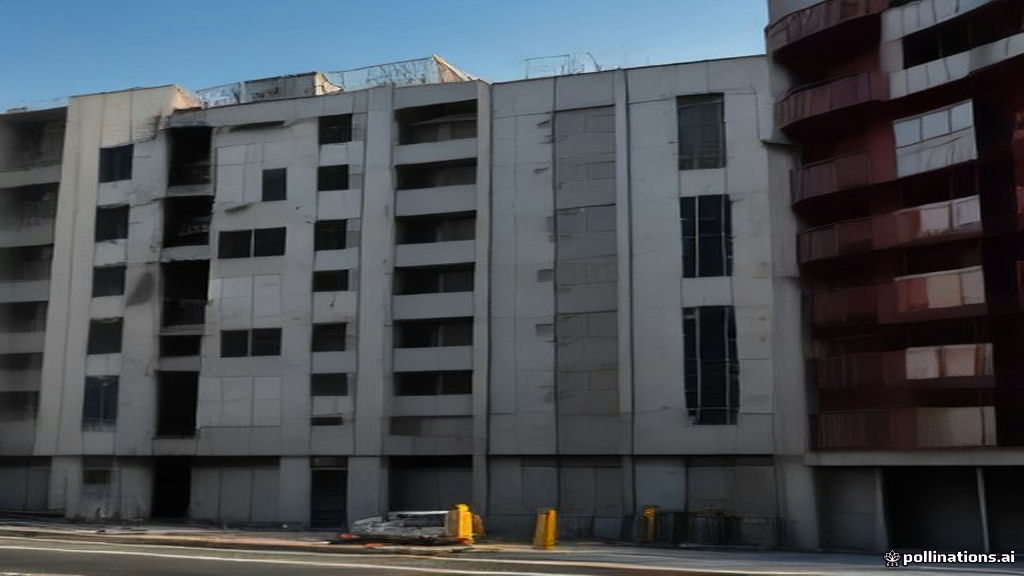
The summer heat brought the disaster they had invited upon themselves. They had gutted the load-bearing wall in the kitchen to create an open-concept living space, ignoring the structural warnings I had left in an envelope tucked behind the medicine cabinet—an envelope they had likely thrown away without reading. I heard about it from a neighbor. A hairline fracture had appeared in the foundation, widening by the hour. The house began to sag, a slow-motion collapse of their dreams.
The bank pulled their financing. The buyers backed out. The house was red-tagged by the city, deemed uninhabitable due to structural instability. Suddenly, the phone calls changed. They weren't angry anymore; they were pleading. Mark called me, his voice thin and desperate. "Elias, you know this place better than anyone. You fixed it before. Can you tell us what to do? The inspectors are threatening to tear it down."
The Final Key
I stood on the sidewalk in front of the house one last time. The yellow tape fluttered in the wind, a bright, ugly border around my past. Sarah came running out, tears staining her face. She looked smaller, older. "We'll pay you back for everything," she promised. "Just save the house. It’s all we have left."
I looked at the sagging porch, the place where I had spent countless nights reading, and felt nothing but a cool, detached clarity. I reached into my pocket, but I didn't pull out keys. I pulled out a copy of the original deed, the one they had tried to erase. "You didn't want my help when the house was standing," I said, my voice steady. "You wanted my vacancy. You have exactly what you asked for." I walked away, leaving them standing in the shadow of their own ambition. I didn't look back to see them realize that the house wasn't just falling down; it was reclaiming itself.
Sometimes, the best way to reclaim your life is to let the people who underestimated you be crushed by the weight of their own arrogance.