Urban Bird Watching: A Practical Guide to Connecting with Nature at Your Doorstep
Why Start Bird Watching in the City?
Many people assume that bird watching, or birding, requires expensive gear and long treks into deep, untouched wilderness. In reality, your local city parks, residential courtyards, and even your own balcony are vibrant ecosystems teeming with life. Bird watching is a brilliant way to quiet a busy mind, sharpen your observational skills, and disconnect from the relentless pace of modern city life.
Once you begin to recognize the local avian population, your environment shifts. You stop seeing a static concrete jungle and start noticing the rhythms of the seasons, the budding of trees, and the movement of life around you. It is a hobby that requires minimal financial investment but offers infinite rewards in terms of curiosity and peace.
The Essential Gear You Actually Need
You do not need a professional-grade kit to get started. Your most important tools are your own eyes and a healthy dose of patience. However, a few basic items will make your time in the field much more productive and enjoyable.
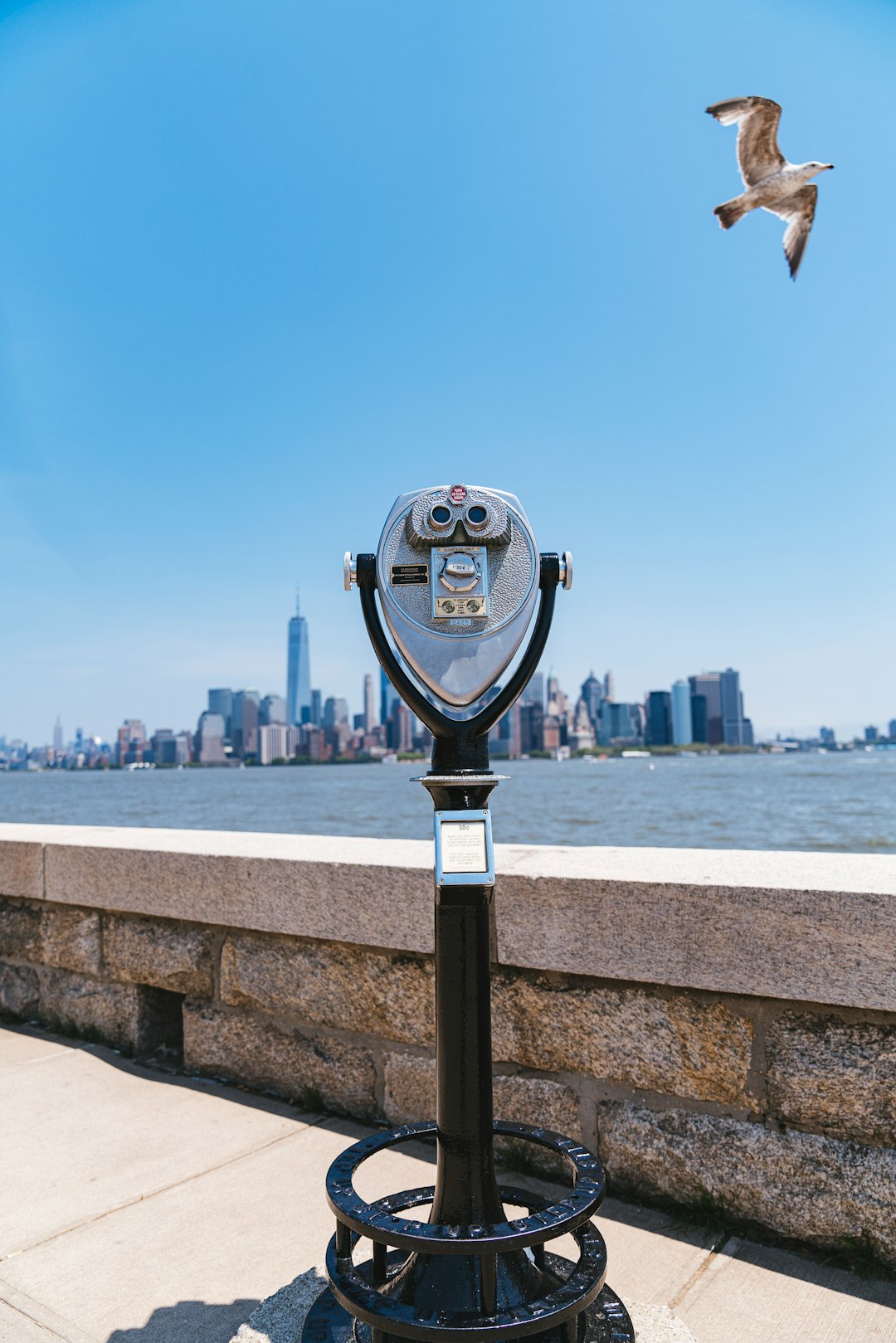
- Binoculars: An 8x42 pair is the gold standard for beginners, providing a perfect balance of magnification and a wide field of view.
- Field Guide or App: Use tools like the Merlin Bird ID app or a local pocket guide to help you identify species you encounter.
- A Simple Notebook: Log the time, location, and key physical markings of the birds you spot to help build your memory.
Birding is not about collecting a list of sightings; it is about understanding the behavior and daily routines of the creatures sharing our urban space.
How to Observe Without Disturbing
Birds are highly sensitive to sudden movements and loud noises. For successful observation, silence and stillness are your greatest allies. Try to wear neutral-colored clothing that blends into the background, and avoid bright, reflective accessories.
- Choose the Golden Hour: Birds are most active shortly after sunrise when they are foraging for food before the city noise peaks.
- Stay Stationary: Find a bench, a tree trunk to lean against, or a quiet corner in a park and wait patiently for 15 to 20 minutes.
- Listen Carefully: You will often hear a bird long before you see it. Train your ears to distinguish between different calls and songs.
Common Mistakes to Avoid
The most common mistake beginners make is chasing the bird. If a bird takes flight, do not follow it. Instead, observe where it lands and wait for it to settle again. Another critical rule is to avoid feeding wild birds inappropriate human food like bread, which can be harmful to their digestion. If you choose to set up a feeder, stick to high-quality, bird-specific seeds or suet.
Finally, do not feel pressured to identify every single bird on your first trip. Focus on the silhouette, the shape of the beak, and the way they move. Over time, your intuition will sharpen, and you will become a true expert on your local urban ecology. Your daily commute will never look the same again, as you begin to see the wild hidden in plain sight.