The Bi-Weekly Connection Cadence Protocol: Sustaining Friendships Through Intentional Scheduling
Stop letting friendships drift into the void of 'we should hang out sometime.' Learn how to implement a sustainable, low-pressure rhythm for maintaining your most important social bonds.

Why Organic Friendship Fails in Adulthood
In our twenties and thirties, the architecture of our lives changes. Between career demands, family responsibilities, and the sheer exhaustion of adulting, friendships often lose their organic fuel source: proximity and shared routine. We transition from 'spontaneous hanging out' to the dreaded 'we should catch up soon' loop, which usually results in nothing happening for months. The Bi-Weekly Connection Cadence Protocol is designed to replace this passive approach with a predictable, low-friction system that treats friendship as a priority rather than an afterthought.
The goal isn't to force intimacy, but to remove the administrative burden of scheduling. When you have a fixed cadence, the 'when' is already solved, leaving the entire interaction dedicated to the 'who.' This reduces the mental load of coordination and eliminates the anxiety of wondering if you are the only one putting in effort.
Phase 1: Defining the Core Circle
You cannot maintain high-intensity connections with fifty people. Start by identifying the three to five relationships that currently feel neglected but are essential to your well-being. These are the people whose presence makes you feel like your best self. Once identified, accept that you will be the 'initiator' for this protocol. Do not wait for them to reach out; your goal is to set the rhythm so they can eventually match your step.
- Select 3-5 key relationships.
- Assess your current capacity (time and energy).
- Acknowledge that initial outreach is your responsibility.
Phase 2: Implementing the Bi-Weekly Rhythm
The magic number here is two weeks. Monthly is often too long, leading to a loss of context in each other’s lives; weekly can feel burdensome if life gets busy. A bi-weekly cadence creates a 'rhythm of checking in' that feels like a steady heartbeat rather than a frantic effort.
Use a shared calendar or a simple recurring reminder. The key is to keep the format flexible. If you cannot meet in person, shift to a phone call. If a call is impossible, a thoughtful voice note works. The medium matters less than the consistency.
The greatest tragedy of adult friendships is not that people drift apart, but that they stop being part of each other's daily or weekly narratives. By formalizing the interval, you ensure that the narrative never completely breaks.
Phase 3: The 'Low-Friction' Interaction
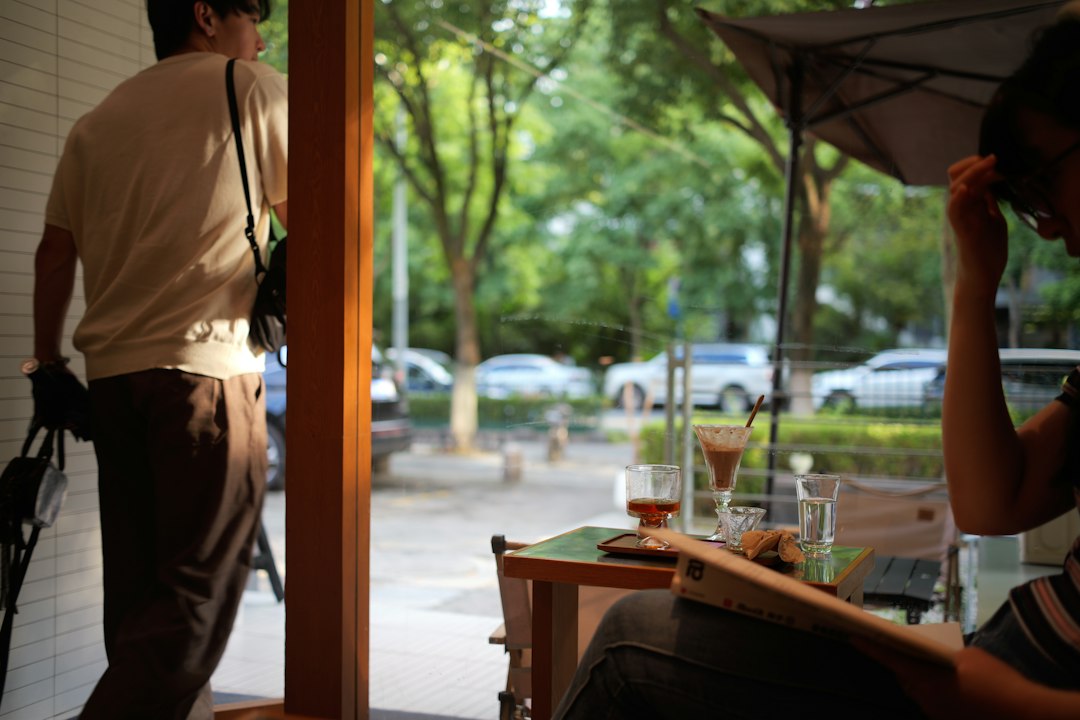
Avoid the 'What are you doing next week?' trap. Instead, propose a low-friction default. For example, suggest a standing 'Tuesday Coffee' or a 'Thursday Night Voice Note' exchange. By setting a default activity, you eliminate the decision fatigue that prevents many people from saying yes to plans.
Common mistakes include trying to make every meeting a 'meaningful deep dive.' Sometimes, a thirty-minute walk or a quick drink is enough. If you try to make every interaction a life-changing event, you will burn out. Aim for 'presence' over 'intensity.'
Phase 4: Managing Seasonal Adjustments
Life happens. Sometimes, a friend will be in a season of intense stress or travel. This protocol is not a rigid contract; it is a baseline. If a friend misses two sessions, reach out with a low-pressure message: 'Hey, I know life is wild right now. I’m here when you surface, no pressure to reply.' This maintains the connection without adding guilt to their plate.
You must also be willing to pause your own cadence. If you are overwhelmed, communicate it. Tell your friends: 'I am in a tunnel for the next three weeks, but I’m looking forward to catching up on the other side.' This honesty reinforces the bond rather than weakening it.
By treating these connections as a recurring, non-negotiable part of your schedule, you stop the slow erosion of your social circle. Friendships are not static objects; they are living systems that require consistent, low-intensity maintenance to thrive. Start your first cycle today by sending a simple, specific invite to one person, and you will find that the rhythm quickly becomes a natural part of your life.