The Attic of Uncounted Keys
The Sound of the Deadbolt
The lock clicked with a finality that echoed through the narrow hallway of my childhood home. My brother, Elias, stood on the other side of the heavy oak door, his silhouette framed by the dim light of the foyer. Behind me, my suitcases sat in the dirt of the driveway, the rain turning my cardboard boxes into damp, disintegrating ruins. Elias didn't even look at me. He just checked his watch, adjusted his silk tie, and said, 'The lawyer was clear, Sarah. The house belongs to the primary heir. You were never more than a guest here, even when you were paying the property taxes.'
I had spent seven years cleaning the soot off the fireplace, painting the peeling walls, and nursing our father through the long, slow decay of his final illness. Elias had been a phantom, appearing only to sign papers or complain about the electricity bill. When the will was read, it turned out that our father had signed a codicil while under heavy sedation, one that Elias had personally drafted. I was out. I was homeless. And as the door swung shut, I realized that the man I had shared a womb with had effectively erased my existence for the sake of a deed.
The Weight of the Silence
For months, I lived in a damp studio apartment on the edge of town, working double shifts at the diner. I didn't reach out. I didn't beg. I watched from afar as Elias tried to renovate the house, his attempts at 'modernizing' the heritage property turning into a slow-motion disaster. He lacked the delicate touch needed for the old foundation, and he lacked the patience to deal with the rotting joists I had been patching for years.
The bitterness was a physical weight in my chest, a cold stone that shifted whenever I tried to sleep. I remembered every sacrifice—the tuition I deferred to pay for the roof, the nights spent awake holding my father’s hand so he wouldn't be afraid. It wasn't the money. It was the absolute, casual dismissal of my labor.
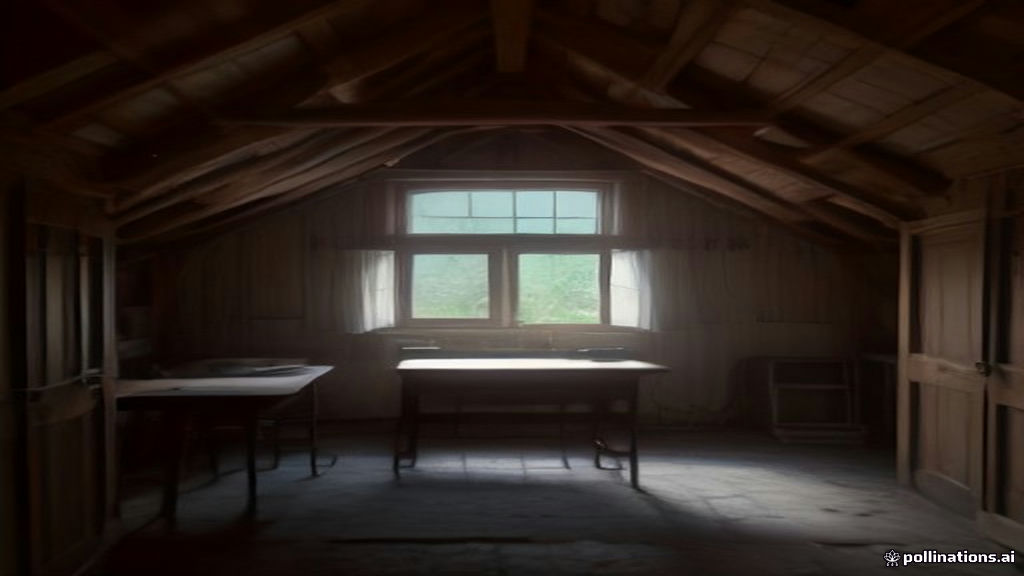
I knew the house better than he knew his own hands. I knew why the basement flooded, where the wiring sparked, and why the attic door always jammed. I had kept a secret ledger, a detailed account of every structural failure, every repair, and every hidden quirk of the structure. I had left it on the kitchen counter that day, but Elias, in his arrogance, had likely thrown it in the trash without reading a single page.
The Turning of the Tide
Winter came early that year. The city inspectors, alerted by a neighbor’s complaint about the erratic renovations, descended on the house like vultures. They found illegal structural changes, black mold hidden behind fresh drywall, and a foundation that was dangerously close to collapse. Elias, having sunk every penny of his inheritance into the project, found himself in a legal quagmire. The bank wouldn't lend, the contractors walked off the job, and the city slapped an 'Uninhabitable' notice on the front porch.
I was working the morning shift when he came to see me. He looked smaller, his expensive coat frayed at the edges. He didn't apologize—he didn't know how—but he spoke with a desperate, shaky voice. 'The house is condemned, Sarah. They say I need the original blueprints, the ones Dad kept in the attic. I can't find them anywhere. You were always the one organizing his files. Tell me where they are.'
The Final Key
I looked at him, really looked at him, and saw the reflection of the man who had locked me out. I didn't yell. I didn't cry. I simply took a small, tarnished brass key from my pocket—the one I had kept when I left. 'The blueprints aren't in the attic, Elias,' I said quietly. 'They are in the floorboards under the master bed, which you ripped up to install that marble vanity. You didn't just lose the house; you destroyed the only map to save it.'
He paled, his mouth opening and closing like a landed fish. He realized then that the 'guest' had been the architect of his safety all along. I finished my coffee, stood up, and walked past him, leaving the scent of stale diner grease and fresh independence in my wake. He stayed there, standing in the middle of the crowded restaurant, watching the person he had discarded walk out into the sunlight.
People spend their whole lives building walls, never realizing that the person holding the key is usually the one they’ve already pushed outside.