The Curated Media Archival Protocol: Preserving Your Cultural Identity
Why Your Personal Media Library Matters
In an era of shifting streaming catalogs and disappearing digital licenses, the media you love is more vulnerable than you think. We often assume that our favorite films, albums, and documentaries will be available on a platform forever, but reality proves otherwise. Licensing agreements expire, studios pull content, and streaming algorithms steer you toward what they want you to see, not what you actually value. Creating a personal archival protocol is not just about hoarding digital files or physical discs; it is about curating a cultural identity that remains accessible regardless of corporate whims.
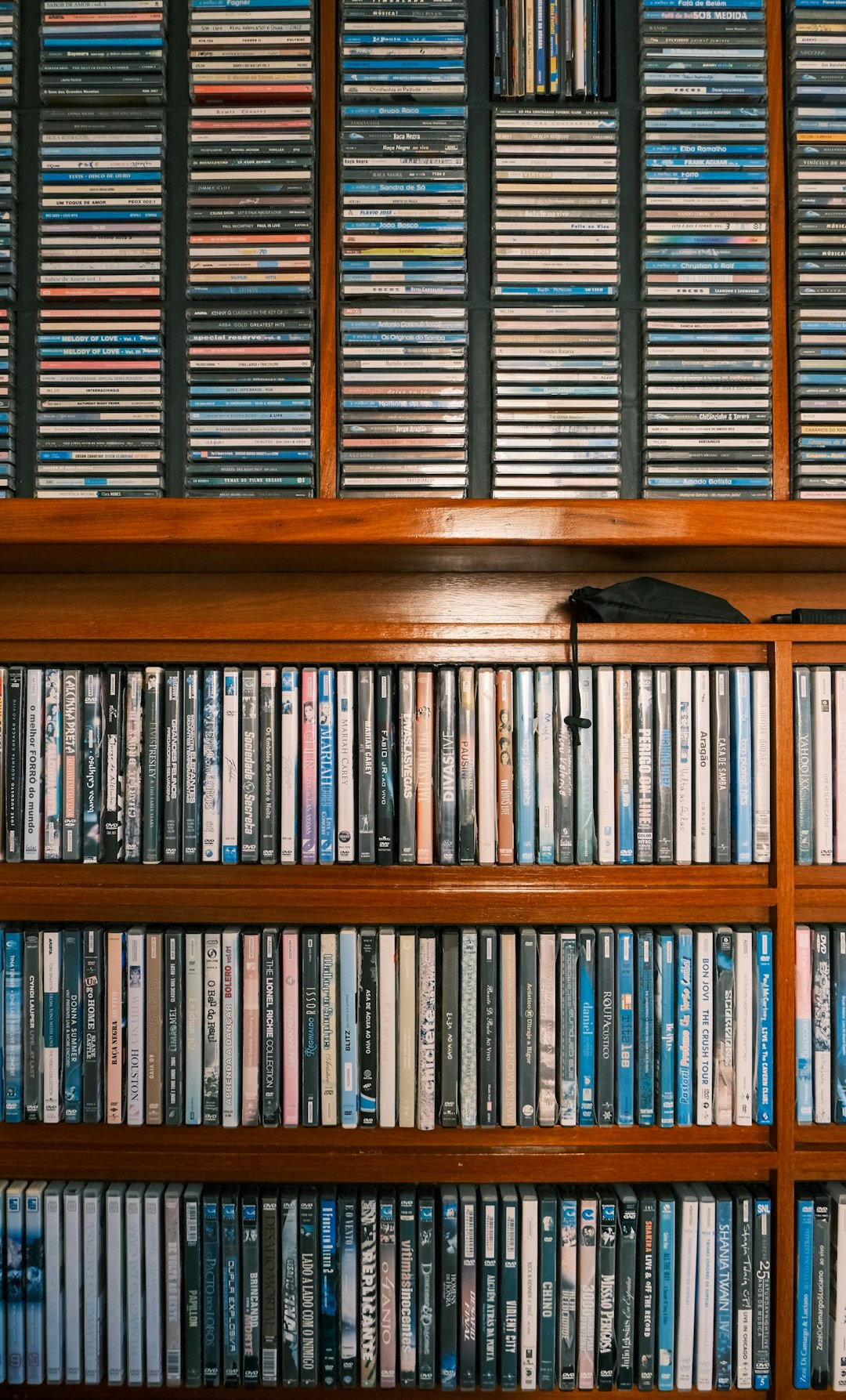
This protocol focuses on building a searchable, durable, and meaningful collection. By taking control of your media, you stop being a passive consumer of algorithmic feeds and start becoming the curator of your own intellectual and emotional history. Whether you are dealing with vinyl records, Blu-rays, or high-fidelity digital files, the goal is the same: to make your library discoverable and preserved for the long haul.
Phase 1: The Inventory and Categorization Audit
Before you can organize, you must know what you have. Start by physically or digitally gathering all your media into one space. Do not worry about perfection yet; focus on volume. Create a spreadsheet or use a dedicated database tool like Notion or Airtable to list your items. For every entry, include the title, format, year of release, and a 'value score' from 1 to 5.
- 1 (Disposable): Media you enjoy but wouldn't mind losing.
- 3 (Standard): Content you revisit annually or every few years.
- 5 (Foundational): Works that have shaped your worldview or that you consider essential cultural artifacts.
This scoring system is critical. It helps you decide which items deserve high-cost storage solutions, like climate-controlled cabinets for vinyl or high-redundancy backup systems for digital files.
Phase 2: Implementing the Redundant Storage Strategy
Once your inventory is logged, you need a storage strategy. For physical media, the enemy is environment. Light, humidity, and temperature are the primary destroyers of film and music. Invest in archival-grade sleeves for vinyl and keep physical discs in a low-light, temperature-stable environment. Avoid storing items in attics or basements where temperature swings are common.
The most dangerous threat to your collection is the assumption that it will survive without active intervention. Treat your media like a living library that requires seasonal check-ins to prevent decay.
For digital media, follow the 3-2-1 rule: Keep three copies of your data on two different media types (e.g., an external hard drive and a cloud server), with one copy stored off-site. This ensures that even if you experience a hardware failure or a natural disaster, your curated collection survives.
Phase 3: The Discovery and Retrieval Layer
A library you cannot search is a graveyard. To make your collection functional, assign each piece of media a 'trigger.' A trigger is a reason or context for when you would want to consume that specific piece of art. For example, tag a film as 'Rainy Sunday Watch' or 'Mood: Melancholic.' By adding these subjective, experiential tags to your database, you transform a list of titles into a menu of moods.
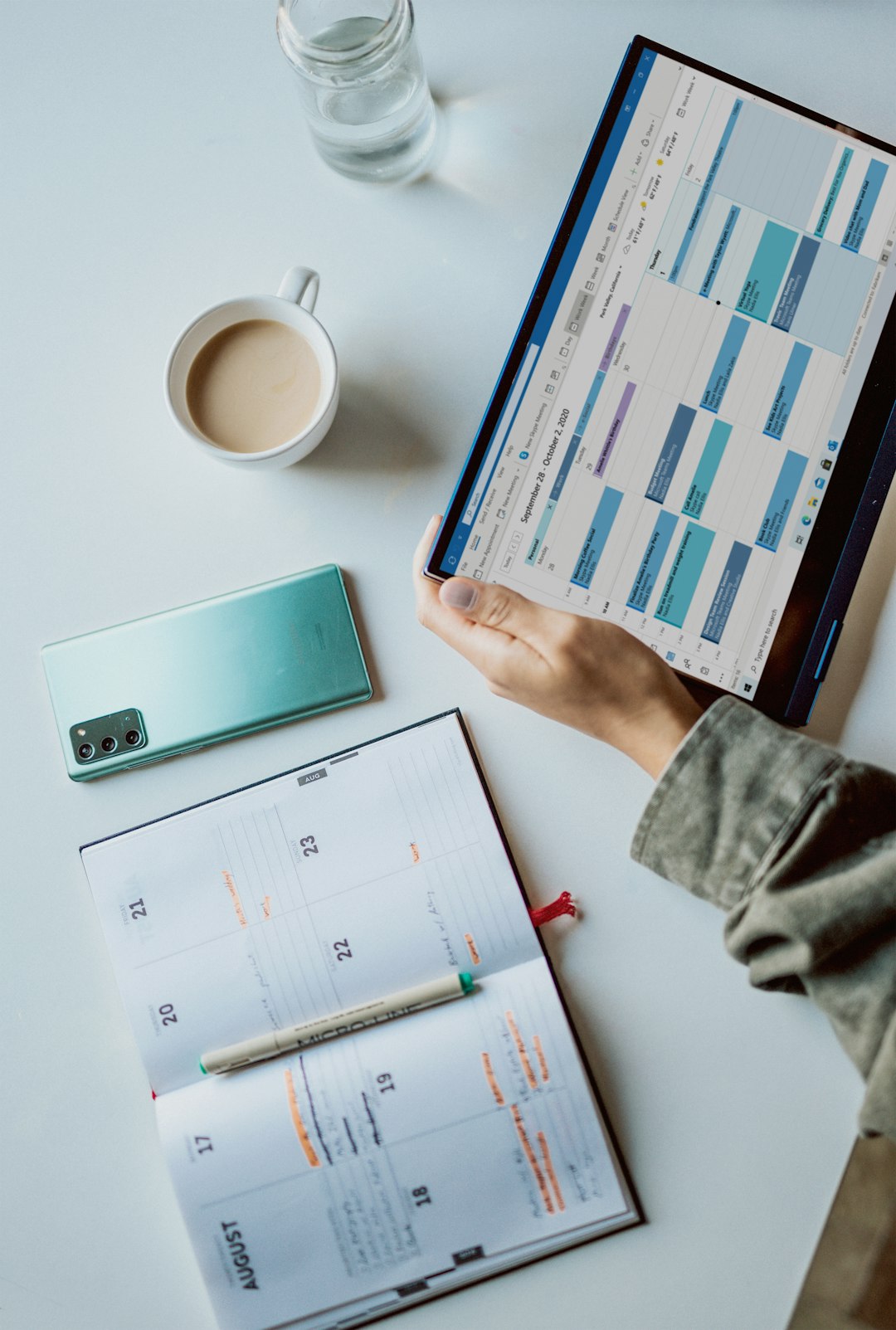
You should also implement a 'rotation policy.' Once a quarter, pull three items from your 'Foundational' list and schedule them into your calendar. This prevents your collection from becoming a stagnant museum and ensures that you are actually engaging with the media you have curated. This practice bridges the gap between ownership and experience.
Common Pitfalls and Pro-Tips
One common mistake is over-cataloging. Do not spend so much time tagging that you never actually watch or listen to the media. Aim for simplicity first, then layer on metadata as your time allows. Another error is neglecting format obsolescence; if you have VHS tapes, prioritize digitizing those before the magnetic tape degrades beyond repair.
- Use QR Codes: Print small QR codes for your physical shelves that link back to your digital database entry for that specific item.
- Metadata is King: For digital files, invest time in properly tagging your MP3s or video files with metadata (artist, year, genre, album art). This makes them searchable across any media player.
- The 'One-In, One-Out' Rule: To prevent bloat, commit to removing one item from your collection for every new piece you acquire.
Ultimately, your personal archive is a reflection of who you are and what you care about. By treating your media with the same respect you would a private library, you ensure that your cultural interests remain a vibrant, accessible part of your life for years to come.