The Will of the Velvet Box
My brother expected the estate, but the lawyer pulled a single velvet box from the safe instead.
The Day the Masks Fell
The funeral was barely over when my brother, Julian, started measuring the rooms of our family home with his eyes. He didn’t wait for the dirt to settle on our father’s grave. He had already called a real estate agent, already planned to turn the library into a home theater, and had politely informed me that I had thirty days to find a 'smaller, more suitable arrangement.' I had spent six years as our father’s primary caregiver, cooking, cleaning, and managing his failing health, while Julian had visited twice a year to complain about the quality of the local scotch.
We sat in the lawyer’s office, a room that smelled of stale coffee and expensive paper. Julian sat back, tapping his designer loafers against the mahogany legs of his chair, a smug look of expectation etched into his face. He looked at me once, a pitying, condescending glance that said, 'You’re the help, don't forget it.' I said nothing. I just watched the lawyer, Mr. Henderson, who looked exhausted. He wasn't looking at Julian. He was looking at me, his eyes filled with a strange, heavy sympathy.
The Final Inventory
Mr. Henderson opened the thick, leather-bound folder. He cleared his throat. 'The estate is significant,' he began, his voice echoing in the small room. 'However, the deceased left specific instructions regarding the distribution of the primary assets. He felt that the house, the investments, and the land required a stewardship that he witnessed firsthand.' Julian leaned forward, his smile widening. He was already spending the money in his head.
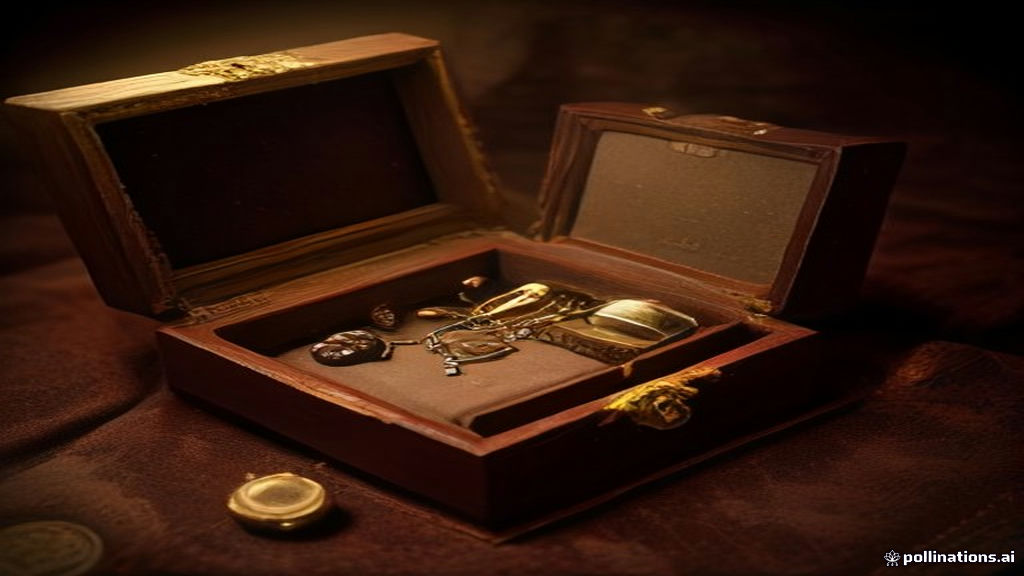
Then, the lawyer stopped reading. He reached under the desk and pulled out a small, worn velvet box. It looked like it had been handled a thousand times. He placed it in the center of the table. Julian laughed, a sharp, nervous sound. 'Is that it? Where are the deeds? The account numbers?' Mr. Henderson didn't blink. 'The house, the land, and the entire liquid portfolio have been placed in a charitable trust, managed by the executor—who is your sister. She will oversee the distribution of funds to local hospice care, as per the late Mr. Sterling’s wishes.'
The value of a man’s life is not measured by what he hoards, but by the hands that held his head when he was dying.
The Weight of the Velvet
Julian’s face went white, then a mottled, angry red. He stood up so fast his chair screeched against the hardwood floor. 'This is a joke! You’re stealing from me! She manipulated him!' He turned on me, his finger shaking in my face. 'You spent years poisoning his mind, didn't you? You played the martyr, the sweet, obedient daughter, all to bleed him dry of his legacy!' I didn't get angry. I didn't shout back. I just looked at him with the same calm I had maintained through every late-night hospital run and every erratic, painful episode of our father’s final months.
'I didn't ask for a penny, Julian,' I said quietly. 'But I am the one who knows exactly where he wanted his money to go. And I am the one who will ensure it goes there.' I reached out and opened the velvet box. Inside was not a key, nor a diamond, but a small, tarnished brass thimble and a note written in our father’s shaky, cursive handwriting. It was a list of names—the nurses who had stayed late, the cook who had brought soup, the neighbors who had mowed the lawn. The people Julian hadn't even bothered to learn the names of.
The Tables Turn
Three months later, Julian came to see me. He wasn't wearing his designer loafers anymore; he looked disheveled, his clothes wrinkled, his confidence shattered by a series of failed business ventures that he had expected to fund with our father’s money. He stood on the porch of the house he no longer owned, looking at me with eyes that were hollow and desperate. 'I need help,' he whispered. 'I'm out of options. Can you at least give me a loan from the trust?'
I looked at him, then at the garden we had planted together in the spring. I remembered how he had called the hospice staff 'bureaucratic leeches' when they asked for an extra blanket. I closed the door, not with a slam, but with a firm, final click. I didn't hate him anymore. Hate requires an investment of energy I no longer possessed. I simply realized that some people are destined to spend their lives running toward wealth, only to find that they have outrun their own humanity.
Is it better to inherit a fortune, or to inherit the peace of having done the right thing?