The Last Shift at the Foundry
I gave thirty years to the foundry, only to be cast aside like scrap metal. They didn't know I kept the only records that mattered.
Betrayal in Five Minutes
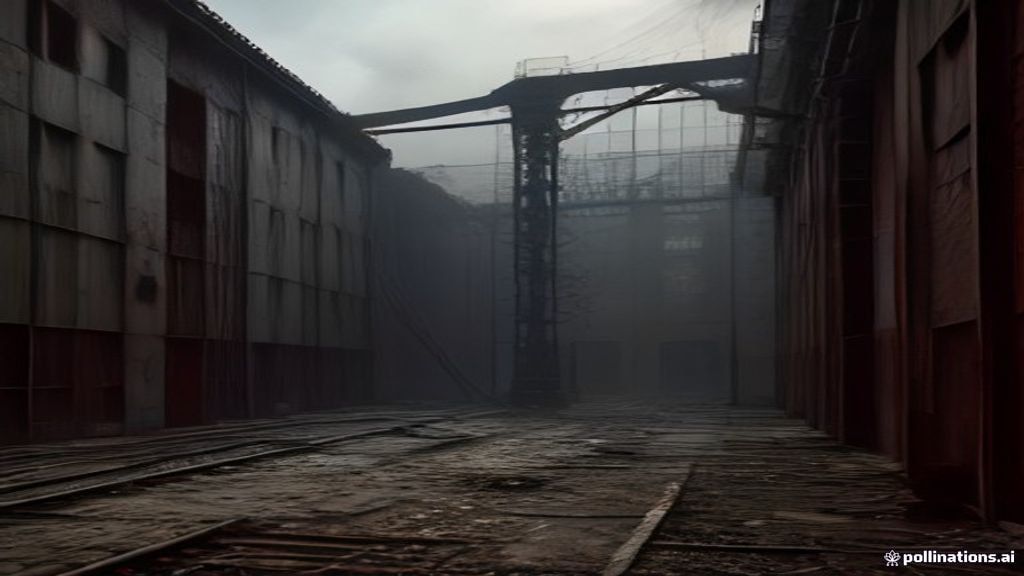
The pink slip was delivered on a Friday, at exactly 4:50 PM. Arthur, the man whose children I had stood godfather to, didn't even look me in the eye. He slid a single sheet of paper across the desk and muttered, "Budget cuts, old man. You’ve become a liability to the company’s new direction." I had given thirty years to that foundry, often sleeping on a cot in the corner when the furnaces acted up. I knew the rhythm of the iron better than my own pulse.
I packed my life into a cardboard box: a heavy wrench, a handful of blueprints, and my chipped coffee mug. No one looked up as I walked out. The men I had helped with their mortgages, the apprentices I had trained, all kept their heads down, their eyes fixed on the assembly line. That was the real sting—the silence of the people who were supposed to be my brothers. I walked out into the rain, a stranger to the place I had built.
The Ledger of Cold Facts
Driving home, my hands didn't shake. They were steady. For years, I had kept a private log—a small, battered black notebook. It contained every corner Arthur had cut, every safety protocol he had bypassed to save a few pennies. He had used sub-par steel for the support struts, counting on the fact that the inspectors were lazy. He thought he was being clever; I knew he was being criminal.
I didn't call a lawyer. I didn't make a scene. I went home, brewed a pot of coffee, and sat in my armchair. I knew that next Tuesday was the high-pressure test for the new contract. They thought that without me, they could just wing it. They were wrong. The foundry was a living thing, and it didn't like being mistreated. I just had to wait for the metal to speak for itself.
The loudest sound in the world is the silence of a machine that refuses to run because you stopped caring for it.
The Tables Turn
The call came on Wednesday morning. Arthur’s voice was thin, frantic, bordering on a sob. The main line had buckled under the pressure, the support beams had warped, and the inspectors were already on-site. "You know how to fix this, please! We'll double your salary, just come back!" he pleaded. I leaned back, looking out at the morning sun. "I don't work for liars, Arthur. And by the way, that notebook I kept? It’s already with the labor board and the insurance adjusters."
The next few months were a slow, grinding collapse for the company. They tried to threaten me, then they tried to sue me, but the evidence was ironclad. By the time the dust settled, the foundry was shuttered, and Arthur was left with nothing but his own ego. I opened a small repair shop of my own, working on my own terms, with no one to answer to but my conscience.
When you spend your life building something for someone else, make sure you aren't the only one keeping the foundation standing.