The Seasonal Home Scent Stratification Protocol: Crafting Your Olfactory Environment
Why Your Home Needs an Olfactory Signature
We often focus on the visual aesthetics of our homes—the curtains, the rugs, the lighting—but we frequently neglect the most powerful trigger for memory and emotion: the sense of smell. Scent is processed by the limbic system, the part of the brain responsible for emotion and memory. By intentionally curating the scent profile of your home based on the season, you do more than just mask odors; you create a sensory anchor that signals to your brain that it is time to transition, rest, or focus. The Seasonal Home Scent Stratification Protocol is a method for layering scents to create depth, longevity, and seasonal relevance without overwhelming your guests or yourself.
The Principles of Scent Stratification
Think of home scenting like a perfume. You need base, heart, and top notes to create a balanced environment. A common mistake is relying solely on a single aggressive plug-in or candle that fills the room with a synthetic, singular note. Instead, we aim for a multi-layered approach. Base notes are the foundation—think woods, resins, or musks that linger for hours. Heart notes are the seasonal stars, such as florals in spring or spices in winter. Top notes are the bright, fleeting scents like citrus or mint that provide an immediate, refreshing impact.
The most effective scenting strategy is not about making a room smell like a product, but about making a room feel like an experience.
Step 1: Establishing the Seasonal Base
At the start of every season, identify your 'Anchor Scent.' This is the background note that will remain consistent for the next three months. For winter, this might be cedarwood or sandalwood. For summer, it might be vetiver or a light white tea. Apply this base using a long-lasting, passive medium such as a reed diffuser or a high-quality beeswax candle in a central location. This creates a baseline of comfort that persists even when you aren't actively diffusing something else.
Step 2: The Heart and Top Note Injection
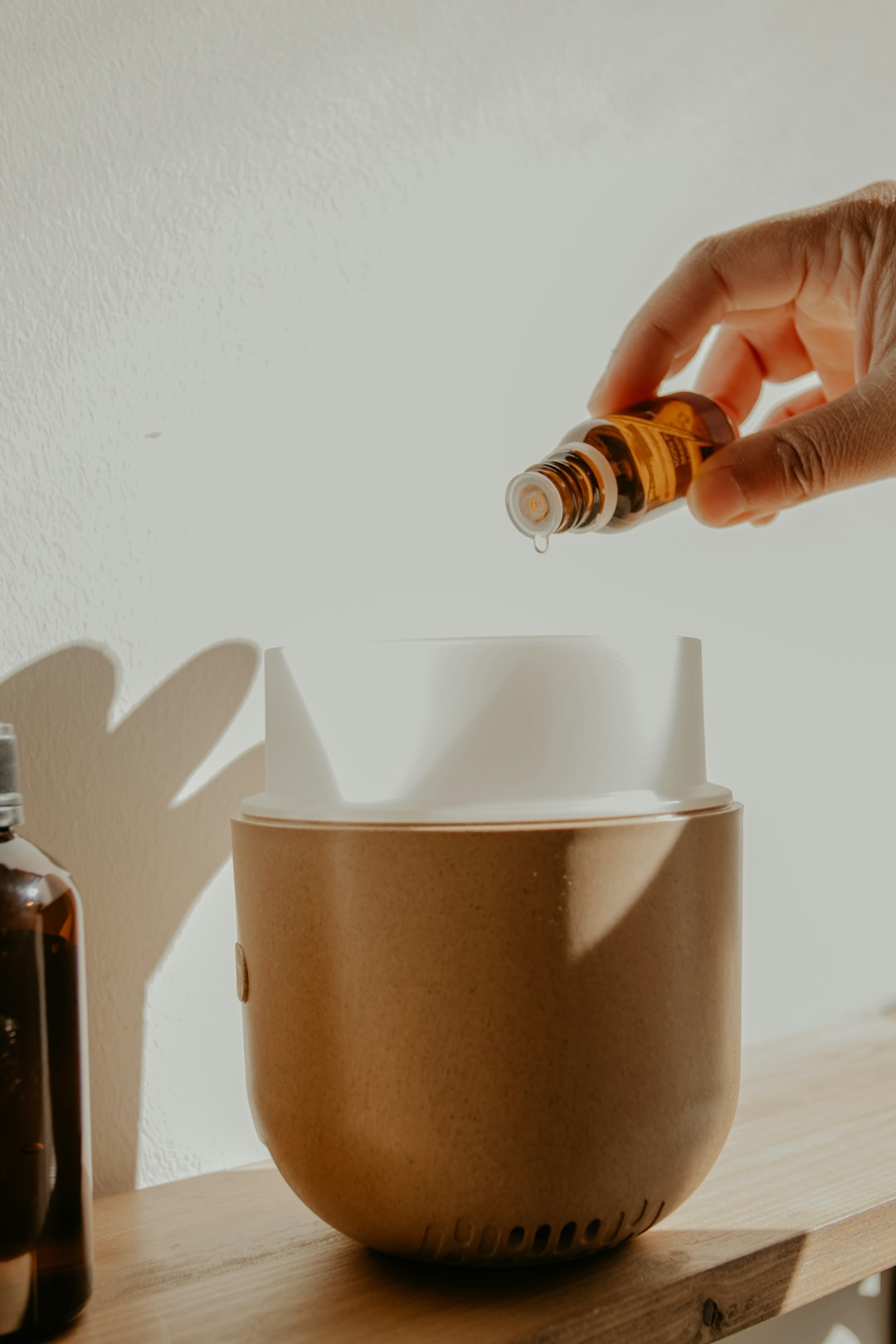
Once your base is set, use an ultrasonic diffuser or a linen spray to add the 'Heart' and 'Top' notes as needed. If it is autumn, your heart note might be clove or cinnamon, and your top note could be blood orange. If it is spring, your heart might be jasmine, with a top note of lemon verbena. Use these active devices for only 30 to 60 minutes at a time. The goal is to avoid 'nose blindness,' where your brain stops perceiving the scent because it has become too constant. By keeping the active scenting limited, you ensure that every time you enter the room, you get that pleasant, intentional hit of seasonal atmosphere.
Step 3: Maintaining Balance and Avoiding Common Pitfalls
The most common mistake is over-saturation. If you can smell your home from the driveway, it is too strong. When guests arrive, they should notice a pleasant, subtle shift, not be hit by a wall of fragrance. To maintain this balance, keep these rules in mind:
- Limit synthetic fragrances; prioritize essential oils or high-quality natural extracts to avoid headaches.
- Rotate your 'active' diffusers between rooms to prevent sensory fatigue.
- Deep clean your soft furnishings before changing seasons; odors trapped in carpets or curtains will muddy your new scent profile.
- Keep a log of which scent combinations you prefer to recreate successful atmospheres in future years.
Refining Your Personal Olfactory Library
Over time, you will develop a library of scents that align with your personal preferences and the specific architecture of your home. You might find that a high-ceiling living room requires a different intensity of scent than a small, cozy bedroom. Experiment with these variables. Treat your home not as a static environment, but as a living canvas that you paint with fragrance. By the time you complete your first full year of the Seasonal Home Scent Stratification Protocol, you will find that your home feels significantly more integrated with the natural rhythm of the year, providing a subconscious sense of peace and belonging that no visual decor can replicate.