The Forest Floor: Wild Garlic Pesto Pasta Ritual
A Culinary Forage
The first signs of spring are not just found in the warming temperatures, but in the awakening of the forest floor. Wild garlic, or ramsons, emerges in lush, emerald carpets, filling the damp air with its signature, pungent aroma. Foraging for these leaves is a ritual in itself, a moment of connection with the earth that demands patience and respect. Bringing these wild greens into your kitchen is an invitation to celebrate the raw, unfiltered beauty of the season.
This wild garlic pesto pasta is a tribute to the fleeting nature of spring. Unlike the traditional basil pesto, which is sweet and floral, wild garlic pesto carries a deep, savory, and slightly garlicky bite that lingers on the palate. It is a dish that feels alive, vibrant, and deeply grounded, transforming a simple bowl of pasta into a sensory experience that grounds you in the present moment.
The Essential Elements
To create this dish, you need to honor the quality of your ingredients. Because there are so few, each one must shine:
- 200g fresh wild garlic leaves, cleaned and dried
- 50g freshly grated Parmesan or aged Pecorino
- 50g toasted walnuts or pine nuts
- 120ml high-quality extra virgin olive oil
- A squeeze of fresh lemon juice
- Flaky sea salt and freshly cracked black pepper
- 400g high-quality spaghetti or linguine
The Ritual of Preparation
- Clean the wild garlic leaves thoroughly and pat them completely dry. Excess moisture can make the pesto watery and shorten its shelf life.
- In a blender or food processor, combine the wild garlic, toasted nuts, and cheese. Pulse until coarsely chopped.
- With the motor running, slowly drizzle in the olive oil until you reach your desired consistency—some prefer it chunky, others smooth.
- Add the lemon juice, salt, and pepper. The acid is crucial; it brightens the heavy garlic notes and keeps the green color vibrant.
- Boil your pasta in generously salted water until al dente. Reserve half a cup of the starchy pasta water before draining.
- Toss the pasta with the pesto, adding the reserved water a tablespoon at a time to create a silky, emulsified sauce that coats every strand.
Pesto is a dish of texture. If you have the time, use a mortar and pestle to crush the ingredients by hand. The physical act of grinding releases the essential oils in the leaves more effectively than a blade, resulting in a deeper, more complex flavor profile.
Serving and Variations
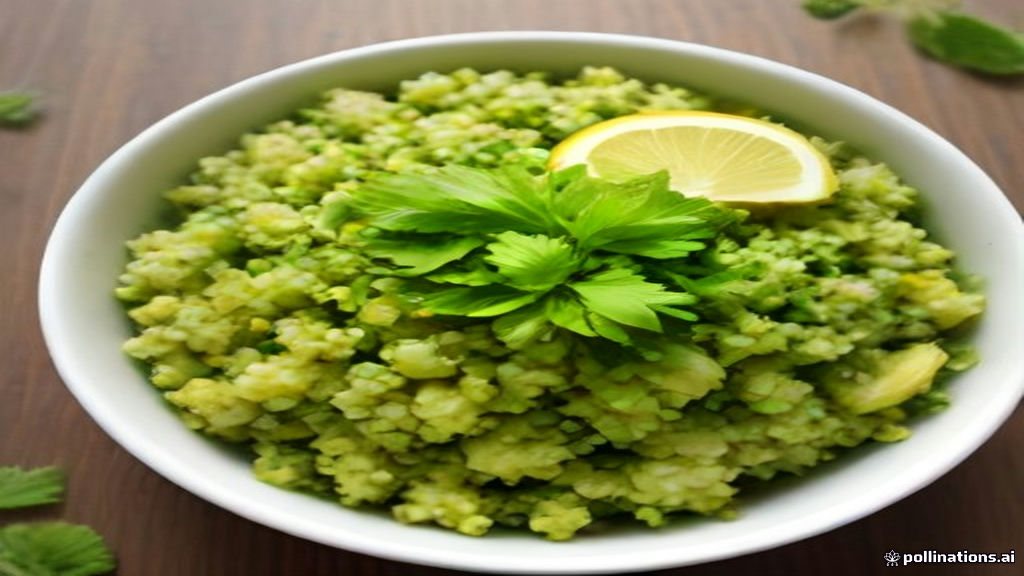
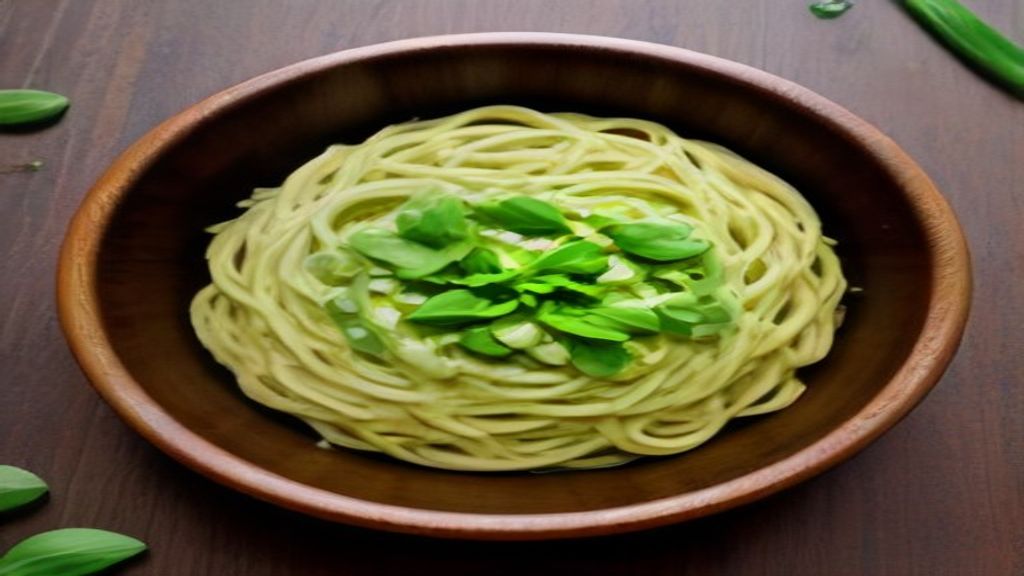
Serve this dish in warm bowls, topped with a dusting of extra cheese and a few whole wild garlic leaves for garnish. It pairs beautifully with a crisp, chilled white wine that cuts through the richness of the oil. For a more substantial meal, consider folding in sautéed chanterelle mushrooms or adding a handful of fresh peas to the boiling pasta in the final minute of cooking. This recipe is a reminder that the best flavors are often those we find right in our own backyard, waiting to be gathered and shared with those we love.