The Ancient Grain Tabbouleh Ritual: A Verdant Celebration of Freshness
The Essence of the Levant in Your Kitchen
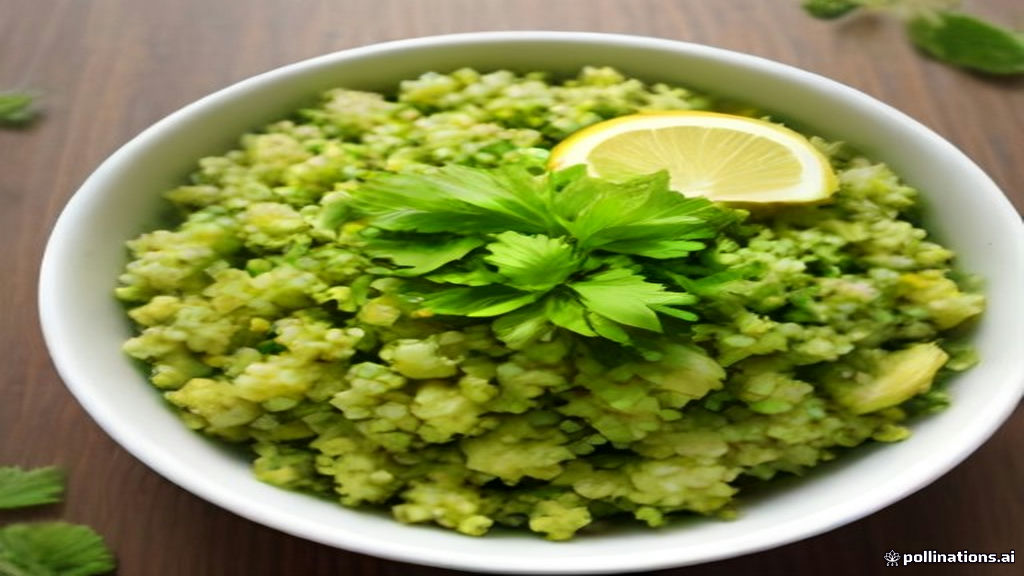
Tabbouleh is far more than a simple side dish; it is a sensory experience rooted in the sun-drenched landscapes of the Levant. Unlike Western interpretations that often prioritize grains, a traditional Tabbouleh is a verdant celebration of parsley, mint, and scallions. This ritual is about patience and precision, transforming humble, fresh ingredients into a vibrant salad that refreshes the palate and nourishes the soul. It is a dish that demands your full attention during the chopping process, offering a meditative break from the frantic pace of modern life.
The secret to an exceptional Tabbouleh lies in the texture of the herbs. They must be chopped finely, almost like a confetti, but never bruised or pulverized. When done correctly, the result is a light, airy, and deeply fragrant composition that sparkles with the brightness of fresh lemon juice and the subtle, earthy chew of bulgur wheat. Whether served as a centerpiece for a summer feast or a refreshing accompaniment to grilled meats, this ritual connects us to a culinary lineage that values the vibrancy of raw, seasonal produce above all else.
The Essential Ingredients
To master the ritual, source the freshest ingredients possible. The quality of your parsley will dictate the final result.
- 2 bunches of flat-leaf parsley (approx. 3 cups finely chopped)
- 1/2 cup fresh mint leaves
- 4 spring onions (scallions), thinly sliced
- 1/4 cup fine-grain bulgur wheat
- 3 firm, ripe Roma tomatoes, finely diced
- 1/3 cup high-quality extra virgin olive oil
- 1/4 cup freshly squeezed lemon juice
- 1/2 teaspoon ground allspice (optional, for a warm depth)
- Sea salt and cracked black pepper to taste
The Ritual of Preparation
- Hydrating the Grain: Place the fine-grain bulgur in a small bowl and cover with cold water. Let it soak for 15 to 20 minutes until tender. Drain thoroughly, using a fine-mesh sieve or by pressing it against a clean kitchen towel to remove every drop of excess moisture.
- The Herb Technique: Wash and dry the parsley and mint thoroughly. Using a very sharp chef's knife, gather the herbs into a tight bunch and slice them finely. Avoid using a food processor, as the blades will crush the leaves, resulting in a soggy, bitter salad.
- The Tomato Infusion: Dice the tomatoes into very small cubes, ensuring they are uniform in size. If the tomatoes are particularly watery, seed them before dicing to keep the salad crisp.
- The Emulsion: In a small bowl, whisk together the olive oil, lemon juice, salt, pepper, and allspice. This dressing should be vibrant and slightly sharp to cut through the earthiness of the parsley.
- The Assembly: In a large, chilled bowl, combine the herbs, scallions, hydrated bulgur, and tomatoes. Pour the dressing over the top and toss gently with two forks until every leaf is lightly coated.
The true beauty of Tabbouleh is not in its complexity, but in its ability to highlight the peak freshness of every single component. Do not rush the chopping; let the aroma of the fresh herbs fill your kitchen as you work.
Refining Your Technique
One common mistake is adding too much bulgur; remember, this is a herb salad, not a grain salad. The bulgur should act as a subtle binder, not the main event. If you find the salad too acidic, add a pinch of pomegranate molasses for a sophisticated, tangy sweetness that elevates the entire profile. For a textural contrast, you can garnish with pomegranate arils, which provide a jewel-like appearance and a delightful pop of flavor.
Storage is also part of the ritual. Tabbouleh is best enjoyed within two hours of preparation. If you must make it ahead, keep the herbs and the dressing separate, and combine them only moments before serving. This ensures that the parsley remains crisp and the colors stay bright. If you have leftovers, they make an excellent addition to a wrap with hummus, providing a crunch that balances the creaminess of the dip perfectly.
Serving Suggestions and Variations
Tabbouleh is traditionally served on a platter lined with crisp Romaine lettuce leaves, which act as edible scoops. This adds a delightful crunch and makes the dish accessible for casual dining. For a modern twist, you might consider adding finely diced cucumber for extra coolness, or perhaps even a sprinkle of toasted pine nuts for a buttery richness that pairs beautifully with the sharp citrus.
Ultimately, this ritual is an invitation to slow down and appreciate the simple, raw beauty of nature. By mastering the delicate balance of herbs, acid, and texture, you transform a handful of garden greens into a dish of historical significance and timeless appeal. Enjoy this ritual as a reminder that the most profound culinary experiences are often those crafted with the simplest tools and the freshest ingredients.