The Coastal Portuguese Garlic Shrimp Ritual: A Taste of the Atlantic
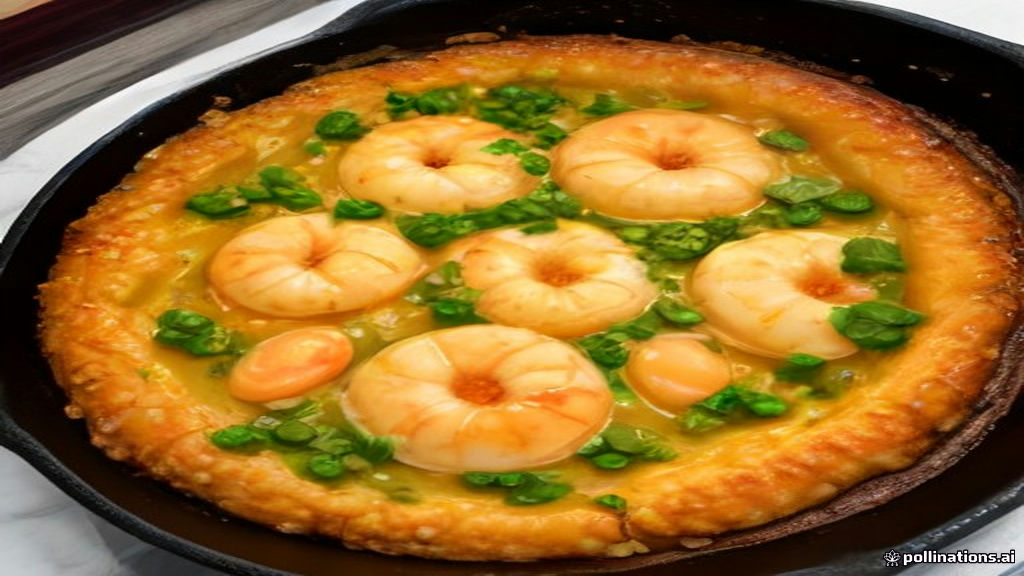
The Essence of the Atlantic Coast
There is a specific kind of magic found in the coastal tascas of Portugal, where the sea breeze meets the scent of sizzling garlic and high-quality olive oil. This dish, known locally as Gambas al Ajillo, is more than just a recipe; it is a ritual of patience and quality ingredients. It is about the transformation of simple, humble components into a luxurious, flavor-packed experience that demands to be shared with crusty bread and a glass of crisp, chilled white wine.
When you prepare this dish, you are honoring the tradition of the Iberian Peninsula. The key lies in the quality of the olive oil—use the best you have, as it becomes the soul of the dipping sauce—and the freshness of the shrimp. This is not a meal to be rushed; it is a slow-paced ceremony of aromatics and heat that brings the spirit of the seaside directly to your home table.
The Essential Components
To master this ritual, gather these ingredients, ensuring each is of the highest quality possible:
- 500g large raw shrimp, peeled and deveined (tails left on for presentation)
- 6-8 large cloves of garlic, thinly sliced (not minced, to prevent burning)
- 1/2 cup high-quality extra virgin olive oil
- 1 teaspoon smoked paprika (pimentón)
- 1/2 teaspoon red chili flakes (adjust for your preferred heat level)
- 1/4 cup fresh flat-leaf parsley, finely chopped
- 1 tablespoon fresh lemon juice
- Sea salt and freshly cracked black pepper to taste
- A loaf of crusty sourdough or rustic country bread for serving
The Sizzling Process
Begin by patting your shrimp completely dry with paper towels; moisture is the enemy of the perfect sear. In a heavy-bottomed skillet or a traditional earthenware cazuela, pour in the olive oil and set it over medium heat. Add the sliced garlic and chili flakes immediately. The goal here is to infuse the oil with the essence of the garlic without letting it turn brown or bitter. Watch it closely for about 2-3 minutes as it begins to dance in the oil.
Once the garlic is fragrant and just beginning to turn a pale golden hue, increase the heat to medium-high. Add the shrimp in a single layer, ensuring they are not overcrowded. Sear them for about 2 minutes per side until they turn opaque and pink. Sprinkle the smoked paprika over the shrimp, followed by the fresh parsley and lemon juice. The final result should be a bubbling, aromatic masterpiece where the oil is infused with the sweetness of the shrimp and the sharpness of the garlic.
The secret to the perfect Gambas al Ajillo is the bread. You are not just cooking shrimp; you are creating a seasoned oil that is meant to be soaked up by toasted, crusty bread. Do not skip this step, as it is the most vital part of the ritual.
Serving and Variations
Serve the skillet directly at the table while it is still sizzling. Place the bread on the side, inviting your guests to dip pieces directly into the garlic-infused oil. It is a communal, hands-on experience that encourages lingering conversation and relaxed dining. If you wish to elevate the dish, consider adding a splash of dry white wine or fino sherry to the pan just before adding the shrimp, allowing the alcohol to evaporate and leave behind a deep, complex acidity.
For those who love extra depth, you can add a handful of halved cherry tomatoes during the last minute of cooking, or finish the dish with a sprinkle of toasted almonds for a satisfying crunch. Whether you stick to the traditional preparation or experiment with these additions, the ritual remains the same: it is about celebrating the sea and the simple pleasure of good food shared in good company.
By embracing this Portuguese-inspired ritual, you bring a sense of wanderlust to your kitchen. It is an uncomplicated dish that relies entirely on the integrity of its parts, proving once again that the most memorable meals are often those that require the least amount of fuss but the most amount of care and intention.