Andalusian Gazpacho: A Liquid Summer Afternoon
The Essence of the Andalusian Sun
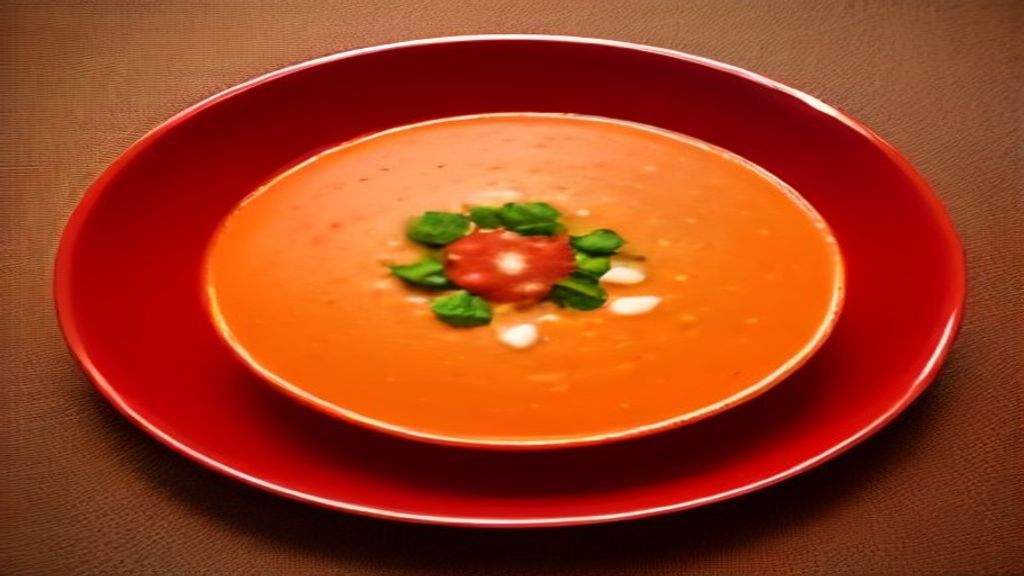
There is a specific moment in the height of an Andalusian summer when the heat becomes a tangible weight, and the only possible relief is found in a chilled, ruby-red bowl of Gazpacho. Unlike the heavy, cream-based soups of the north, gazpacho is a celebration of the raw, vibrant power of nature. It is a dish that does not cook the ingredients but rather allows them to macerate and mingle, creating a symphony of flavors that define the Mediterranean lifestyle.
Originating from the agricultural laborers of the southern Iberian Peninsula, this soup was initially a humble meal meant to provide hydration and energy during grueling work days. Today, it stands as a global icon of culinary simplicity and elegance. The secret is not in complex techniques, but in the quality of the produce—the tomatoes must be vine-ripened, the olive oil must be cold-pressed, and the garlic must be pungent and fresh.
The Anatomy of the Perfect Gazpacho
To master this dish, you must respect the ingredients. Each component plays a vital role in achieving the perfect balance of acidity, sweetness, and earthy depth.
- 1 kg of deep red, vine-ripened tomatoes
- 1 green bell pepper, seeds removed
- 1 cucumber, peeled and chopped
- 1 small white onion, mild
- 2 cloves of garlic, heart removed
- 50 ml extra virgin olive oil
- 30 ml high-quality sherry vinegar
- 1 slice of stale crusty bread, soaked in water
- Sea salt to taste
The true secret of a restaurant-quality gazpacho is the emulsification of the olive oil. When you blend it slowly into the vegetable base, it transforms the texture from a watery juice into a luxurious, velvety emulsion that coats the palate.
The Art of the Blend
The process is meditative. Begin by preparing your vegetables. While some purists insist on peeling every single tomato, a modern high-speed blender often renders this unnecessary. However, if you are using a standard blender, blanching the tomatoes for thirty seconds in boiling water makes skinning them a breeze. Combine the tomatoes, peppers, cucumber, onion, and garlic in the blender. Add the soaked bread, which provides the necessary body and silkiness.
Pulse until smooth, then slowly drizzle in the olive oil while the blender is running on low. The soup will begin to change from a bright red to a soft, salmon-pink hue as the oil incorporates. Finally, add the sherry vinegar and salt. The vinegar is crucial—it provides that sharp, bright finish that cuts through the richness of the oil and balances the sweetness of the tomatoes.
Serving Rituals and Variations
Once blended, the soup must be chilled. Patience is required here; let it sit in the refrigerator for at least three hours, though overnight is ideal. This rest period allows the garlic and vinegar to mellow and infuse the vegetable base with a deeper complexity. When ready to serve, pass the mixture through a fine-mesh sieve if you prefer a silky texture, or leave it rustic if you enjoy a bit of bite.
To serve, pour into chilled bowls or wide-rimmed glasses. Traditional garnishes include a small dice of the remaining vegetables—cucumber, pepper, and onion—along with a drizzle of extra virgin olive oil and perhaps a few golden croutons. For a modern twist, add a dash of smoked paprika or even a few slivers of fresh basil. Whether enjoyed as a light lunch under the shade of an olive tree or as a sophisticated appetizer for a dinner party, this gazpacho is a testament to the idea that the best things in life are often the simplest.