The Silent Archaeology of the Holiday Box: Why We Keep the Pieces of Our Past
The Most Anticipated Archaeological Dig of the Year
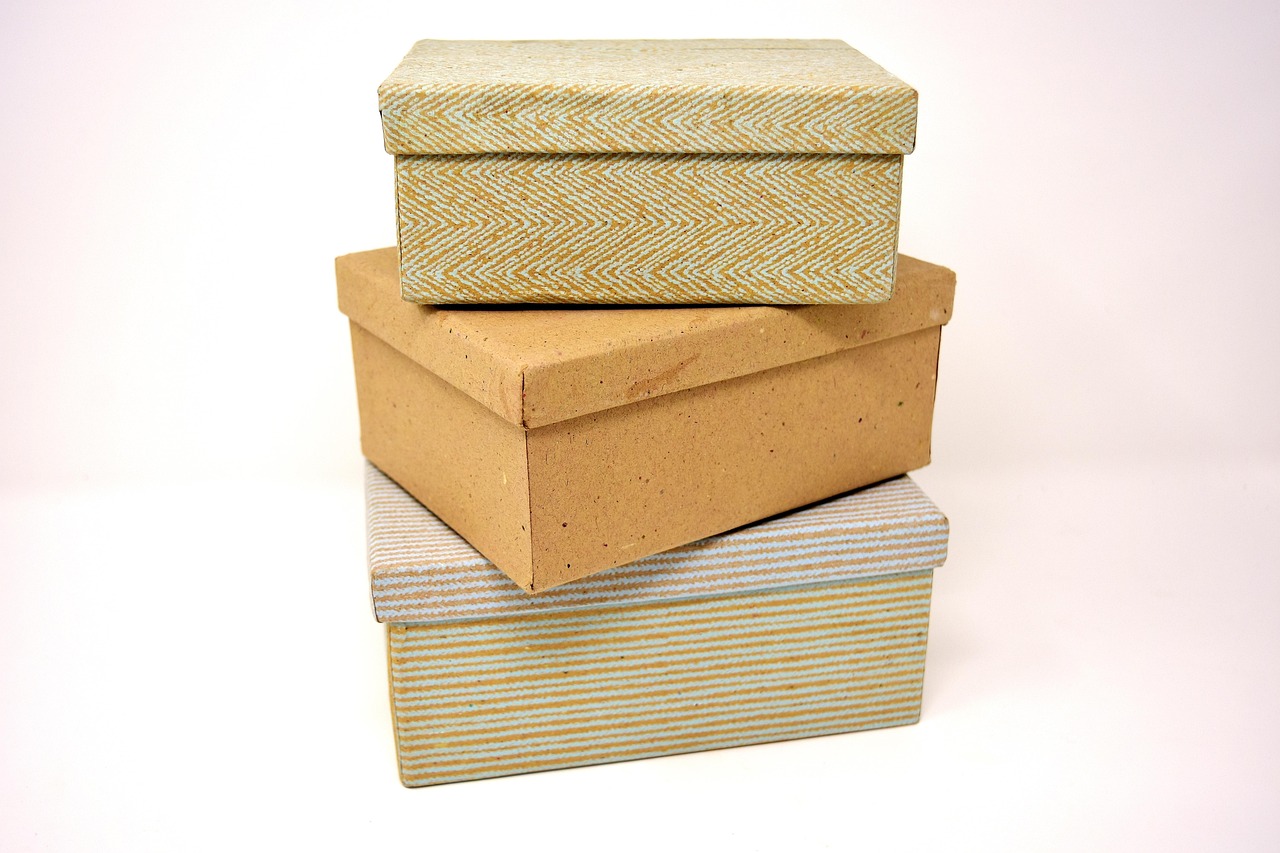
At this time of year, when the air turns crisp and the shadows grow long, a ritual unfolds in households across the world. We climb into attics, descend into basements, or pull from the back of a closet that dusty, often crumbling cardboard box. This is not merely a collection of festive ornaments; it is an archive of our personal history. To open the box is to confront the various versions of ourselves that have lived through previous seasons.
Every bauble, every tangled strand of tinsel, and every chipped star holds the resonance of a specific moment. When we unpack these items, we aren't performing a mundane chore; we are conducting an archaeological dig into our own lives. We encounter the ornaments bought in cities we no longer live in, the ones gifted by people who have moved on, and the ones that survived moves, breakups, and life-altering transitions. It is a tactile map of our evolution.
The Philosophy of the Chipped Ornament
Why do we keep the ornament with the missing horn or the ribbon that lost its shimmer years ago? In a modern world obsessed with sleek, replaceable aesthetics, the holiday box remains a rare sanctuary of imperfection. Inside those cardboard walls, wear and tear are not defects—they are evidence of endurance. They are proof that we have survived another year.
The holiday ornament is not merely an object; it is a vessel for memory. It reminds us that the beauty of a life, much like the beauty of the season, lies in its fragility and its refusal to be perfectly polished.
We keep these items because they are tethered to people, places, and feelings that will not repeat. That chipped reindeer doesn't just represent a holiday; it represents a specific Christmas from a decade ago when the world felt smaller, clearer, and perhaps a bit kinder. To throw it away would be to discard a small piece of that clarity.
The Stratigraphy of Seasonal Memory
Our memory is not linear; it operates in seasonal cycles. The archaeology of the holiday box teaches us that we can revisit the past simply by engaging our tactile senses. As we dig through the layers of tissue paper and dust, we uncover the strata of our lives. These layers often contain things we had completely forgotten:
- Handmade ornaments from grade school that reveal our early creative spirit.
- Photographs tucked away, capturing a version of ourselves we barely recognize.
- Incongruous items that made their way into the box by accident, serving as time capsules of mundane moments.
Each object acts as a trigger for a dormant memory. We recall the people who helped us decorate the tree years ago, and we feel the bittersweet absence of those who are no longer at the table. In this way, the holiday box functions as a shrine to love and persistence.
Why Honoring the Past Matters
When we carefully unwrap these decorations, we perform an act that stands in direct opposition to the frantic pace of modern life. We slow down. We inspect. We remember. This is a form of mindfulness that allows us to ground ourselves in the narrative arc of our existence, rather than getting lost in the noise of the present.
Perhaps it is time we treat our holiday archaeology with more intention. Instead of rushing to buy the latest trend, we might find more meaning in digging deeper into the boxes we already have. The real treasure isn't the new set of lights; it is the tattered, well-loved collection that tells the story of how we became who we are today.
This year, when you pull that box from its hiding place, try not to see it as a clutter of seasonal storage. See it as a trove of buried wealth. Each item has a lineage, and you, as the archaeologist of your own history, have the privilege of curating the legacy that defines your home. Cherish the cracks, for they are the seams that hold your story together.