The Philosophy of the Wilted Advent Wreath: Why We Cling to Post-Holiday Echoes
Long after the candles have burned down and the needles have fallen, we keep the remains of our holiday decor. Why are we so reluctant to let the wilted wreath go?
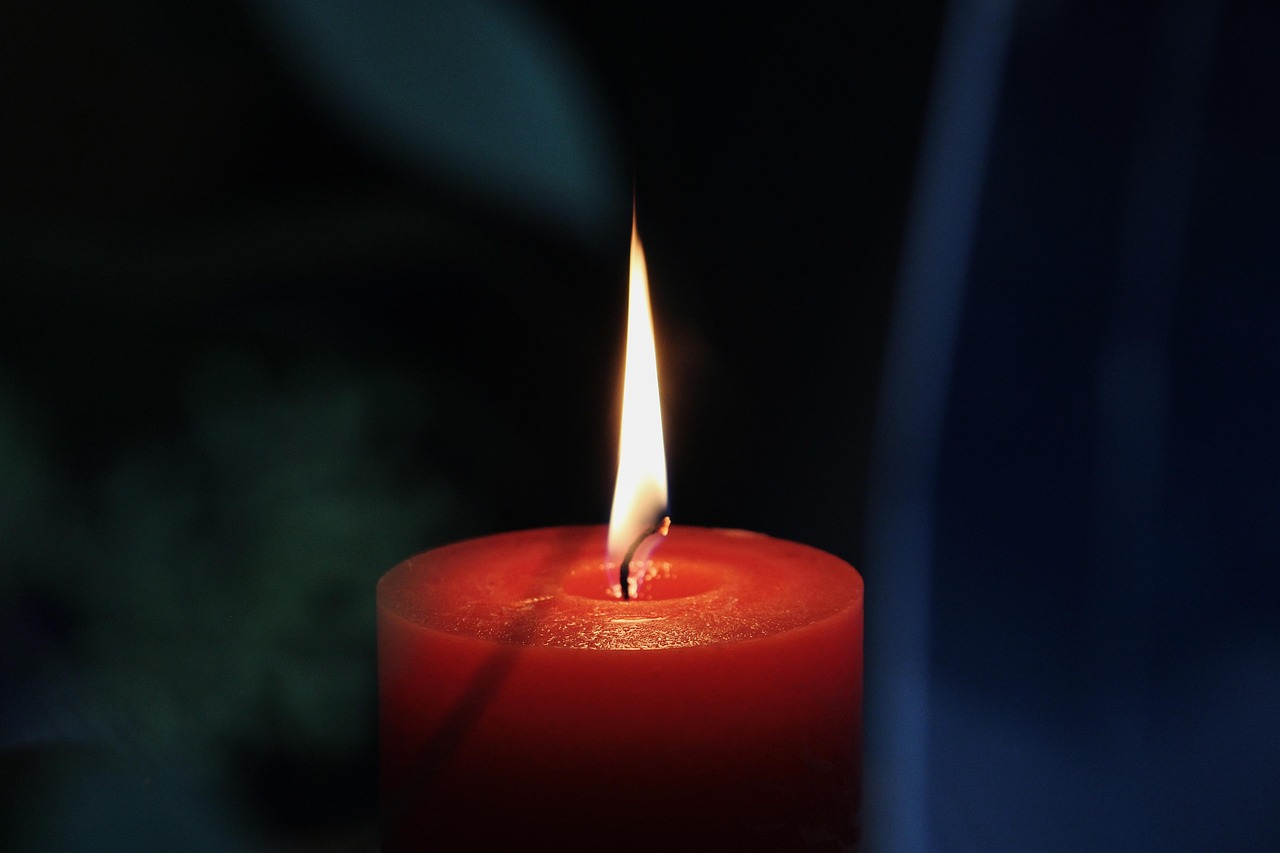
It is mid-January, the world has turned grey, and yet, sitting on the corner of the dining table is a skeleton of an Advent wreath. The pine branches are brittle, shedding brown needles at the slightest touch, and the candles are mere stumps of wax. To an outsider, it is clutter—something to be tossed into the bin without a second thought. But to the person who lives there, it is a relic. It is a physical manifestation of a time that felt warmer, slower, and more intentional.
The Aesthetics of Anticipation
The Advent wreath is designed for a specific purpose: to count down the days toward a climax. We light a candle, we wait, we add more light, and we anticipate. When the season ends, the wreath usually undergoes a transformation from a ceremonial tool to a piece of debris. However, there is a lingering comfort in its presence. By keeping it, we are essentially trying to hold onto the state of 'waiting' rather than facing the sudden void of the 'after.'
- It serves as a transition object between the festive and the mundane.
- It reminds us of the specific conversations held around the table during the dark evenings.
- It acts as a visual anchor for a version of ourselves that was more patient and hopeful.
The Beauty of Imperfection
Why do we struggle to clear away the remnants of our celebrations? Perhaps it is because a pristine, empty house feels too stark. A wilted wreath is imperfect, weathered, and honest. It mirrors our own exhaustion at the end of the holiday rush. While we strive for the perfection of the 'perfect Christmas' or 'perfect holiday,' the reality is often messy and fleeting. Embracing the wilted wreath is an act of accepting that the beauty of a season isn't just in the freshness, but in the entire cycle—from the first green needle to the final dry twig.
We don't keep the wreath because it is beautiful; we keep it because it is the last tactile evidence that we actually took the time to pause.
The Ritual of Letting Go
Often, the refusal to discard these holiday remnants is a subconscious delay tactic. Throwing away the wreath is a formal admission that the rest of the year has begun in earnest. It is the final closing of the door on the season of rest. By keeping it a few days—or weeks—too long, we are negotiating with time. We are saying, 'Let me sit in the memory of this season just a little longer before I step back into the chaos of the daily grind.'
Ultimately, the philosophy of the wilted Advent wreath is one of gratitude for transience. These items are not just clutter; they are the physical echoes of our joy and our communal quiet moments. When you finally decide to clear it away, do so with intention. Don't just toss it in the trash; recognize that it served its purpose. Acknowledge that the season has passed, and find peace in the fact that it was beautiful while it lasted. The takeaway is simple: we keep these things to prove to ourselves that the magic was real, even when the needles fall.