The Geometry of the Unsharpened Pencil: Why We Hoard Unused Potential
Ever wondered why you keep a stash of pristine, unsharpened pencils on your desk? It is about more than just stationery; it is about the safety of potential.
The Silence of Potential
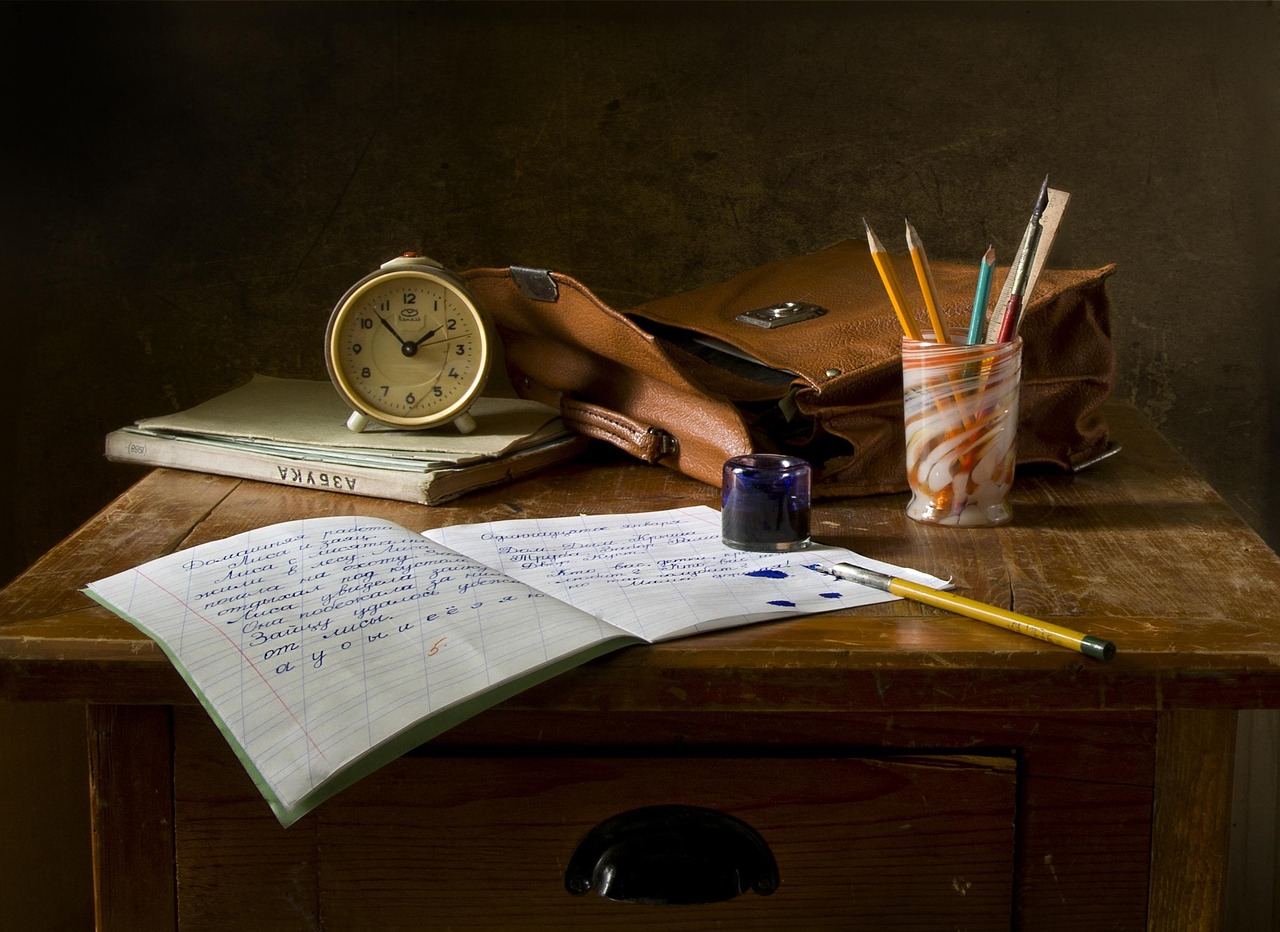
Tucked away in the corner of a desk, buried in a drawer, or resting beside a stack of unread novels, there exists an object of quiet authority: the unsharpened wooden pencil. It is a dormant giant, encased in cedar, waiting for the moment of transformation. Unlike a pen, which is ready to flow, or a sharpened pencil, which is already committed to the act of writing, the unsharpened pencil exists in a state of pure, unadulterated possibility.
We collect these pencils because they represent a future self that is capable of brilliance. There is a profound psychological weight to the wood-cased graphite. It feels like a promise. When we look at a sharpened pencil, we see a tool that is slowly disappearing with every word; when we look at an unsharpened one, we see a reservoir of ideas that have not yet failed, have not yet been censored, and have not yet been discarded. It is a monument to what we might do if we only found the right moment.
The Preservation of Perfection
There is a specific, tactile fear associated with the sharpener. The moment you shave away that first layer of wood, you are declaring an end to the pencil's perfect state. You are transitioning from the world of potential to the world of execution. Many of us hesitate at this boundary because execution is messy, finite, and prone to error. By keeping our pencils unsharpened, we keep our dreams protected from the harsh reality of the page.
- The Psychology of Stasis: We equate the untouched state with the purity of the initial concept.
- The Fetishization of Tools: We convince ourselves that having the right, unused tool is synonymous with having the work done.
- Aesthetic Anchoring: A collection of unsharpened pencils provides a visual order to a chaotic workspace.
The unsharpened pencil is the most powerful tool in the drawer; it contains not what has been written, but everything that could possibly be written.
The Infinite Waiting Room
These pencils function as placeholders in our lives. They occupy the space where our ambition lives, acting as physical anchors for our deferred goals. We tell ourselves that we are waiting for the perfect day, the perfect light, or the perfect spark of inspiration to finally sharpen the tip and set it to paper. In the meantime, the pencils sit there, neatly arranged, offering a sense of accomplishment without the necessity of actually producing anything.
This hoarding of potential is a form of self-soothing. It allows us to maintain a narrative of being 'productive' or 'creative' simply by possessing the equipment of creativity. We become curators of our own unfulfilled intentions, lining them up like soldiers who are never meant to march, ensuring that we never have to face the disappointment of a poorly drawn line or a stale sentence.
The Takeaway
Ultimately, keeping an unsharpened pencil is a defense mechanism against the finality of creation. We hold onto them to feel as though our potential is infinite, forgetting that potential is only useful when it is spent. The next time you see that pristine pencil in your cup, consider this: the wood is meant to be shaved, and the graphite is meant to dull. Take the sharpener to the point, commit to the page, and let your potential turn into reality.