The Geometry of the Unmarked Notebook: Why We Fear the First Page
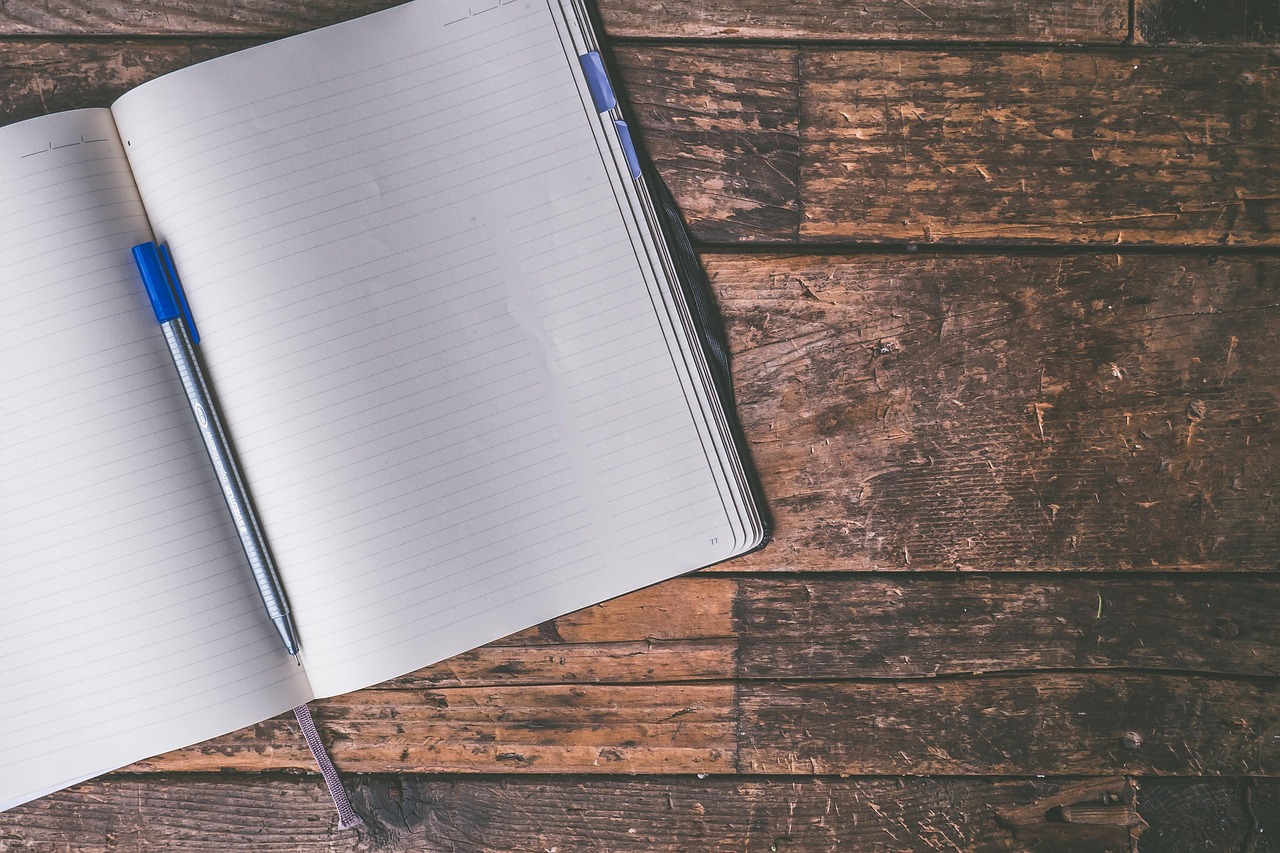
We all have one tucked away in a desk drawer—a crisp, leather-bound or cloth-covered notebook waiting for the perfect moment. It is pristine, its pages smelling of fresh paper and promise, waiting to capture our most profound thoughts, brilliant ideas, or mundane daily tasks. And yet, it remains empty. Why do we treat these objects with such reverence that we become paralyzed by the very act of using them? Why does the first page feel like a threshold we are afraid to cross?
The Weight of the Blank Canvas
A blank page is not merely a physical object; it carries a heavy psychological load. When we stare at that pristine white surface, we see not just a space for words, but an expectation of perfection. We fear that our first entry will be unworthy of the vessel, that our shaky handwriting or half-formed thoughts will somehow diminish the quality of the notebook. It is a strange paradox: we buy the notebook to express ourselves, yet the medium itself becomes an obstacle to that expression.
In a culture obsessed with curated outcomes, we have forgotten the beauty of the draft. We see the final product on social media—the beautiful bullet journals and the perfectly indexed planners—and we internalize the idea that a notebook must be a masterpiece from the first stroke. We would rather keep the illusion of perfection intact by leaving the book blank than risk the reality of an imperfect beginning.
The Pursuit of Perfection as a Barrier
We often treat our notebooks as sacred relics rather than functional tools. We tell ourselves, "I will wait for a truly significant thought to grace this page." This mindset turns the notebook into a heavy burden, a looming judge of our creative output. By setting the bar for the first entry so high, we effectively lock ourselves out of our own archives.
The empty page is a field of infinite potential, but it is also a trap of sterile perfection, where thoughts freeze, terrified of becoming real.
The Aesthetics of Imperfection
True creative work begins the moment we allow ourselves to be messy. When we give ourselves permission to write "bad" things, we unlock the door to the "good" ones. The beauty of a notebook lies in its scars—the ink blots, the crossed-out lines, the spontaneous scribbles in the margins. Years later, looking back, it is rarely the perfectly penned prose that moves us, but the raw, unfiltered evidence of our own evolution.
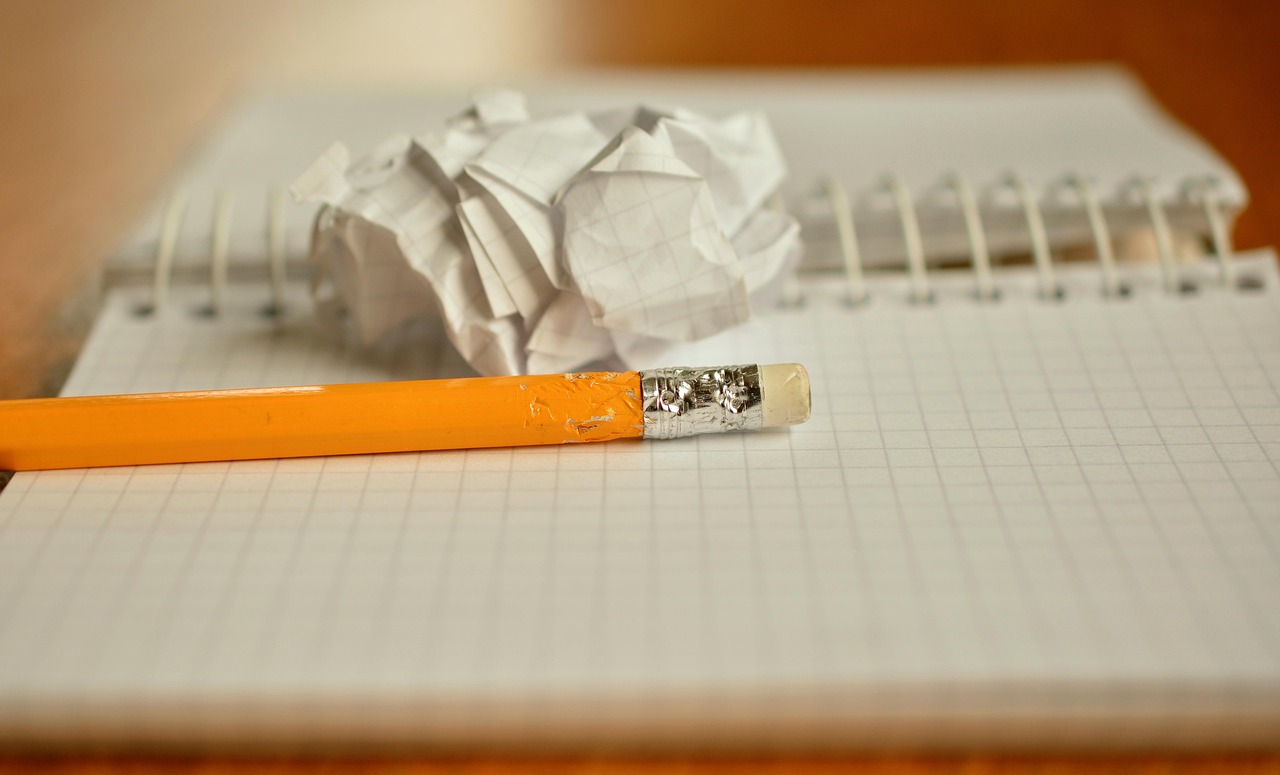
- Grant yourself permission to ruin the first page with a doodle or a mistake.
- Stop waiting for the "right" moment; the right moment is whenever you have a pen in hand.
- Use your notebook as a sandbox for ideas, not as a museum exhibit.
The Traces of Our Existence
A notebook filled with corrections, revisions, and dog-eared corners tells a much more compelling story than a pristine one. It is the geometry of your life—the physical manifestation of your mental shifts, the fluctuations of your mood, and the quiet moments where you attempted to process the world through the friction of pen on paper. These traces are the archaeology of your own mind.
Do not fear the act of filling your notebooks. The empty pages you so carefully preserve are merely wasted time. The pages you fill with your imperfect, fleeting, and vibrant thoughts are the true artifacts of your existence. Pick up that notebook today, open it to the first page, and write something—anything—to break the silence. The page is waiting, and it is far happier being covered in ink than sitting in a dark, lonely drawer.