The Geography of the Forgotten Receipt: Why We Keep the Paper Remnants of Our Spending
Ever found a crumpled receipt in the pocket of an old coat? That small slip of thermal paper is more than proof of purchase; it is a cartography of our past.
The Accidental Discovery in the Pocket
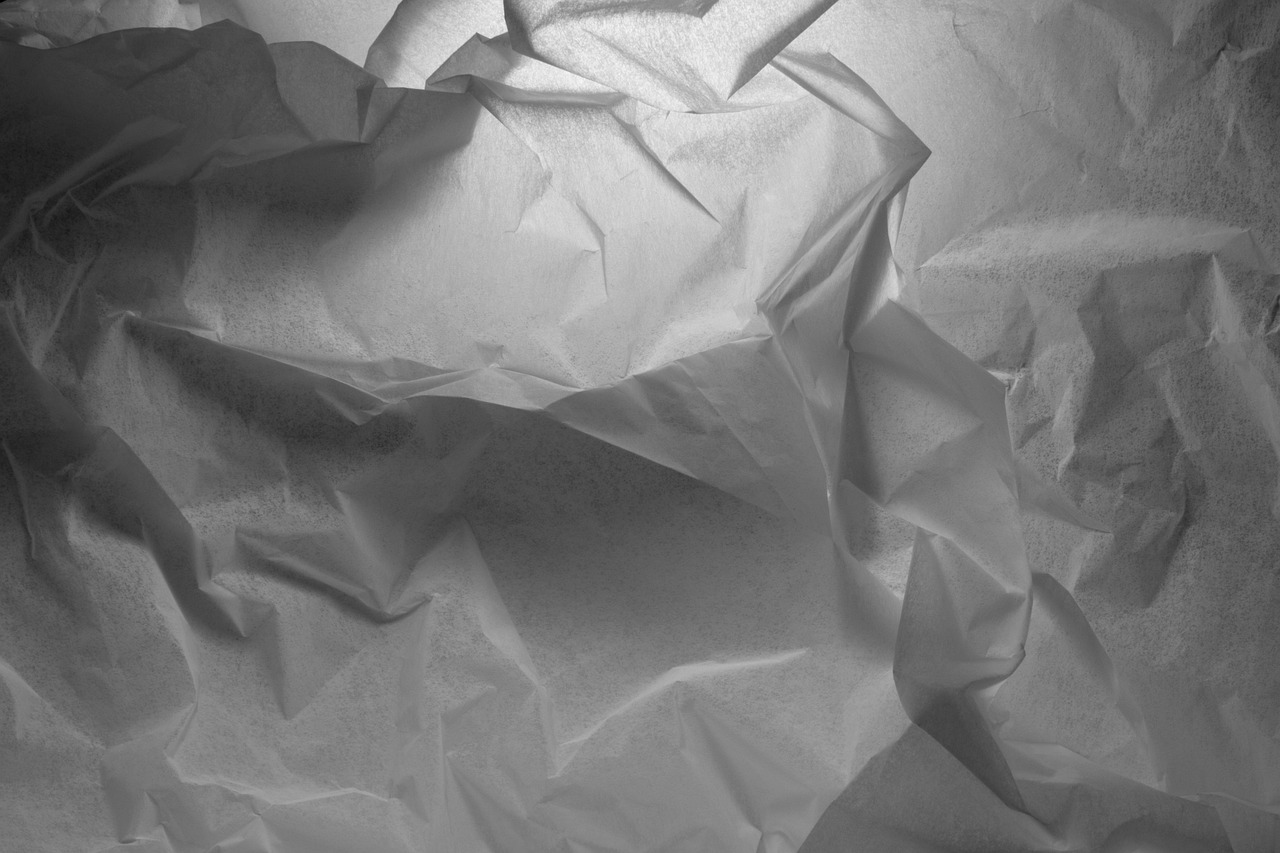
We are all familiar with the ritual: you reach into the pocket of a coat you haven't worn since last winter, and your fingers brush against a crumpled, jagged slip of paper. It is a receipt—a record of a coffee, a grocery run, or a bookstore splurge from months ago. In that instant, it ceases to be a sterile financial document. It becomes a relic, a tactile anchor to a specific afternoon that would have otherwise vanished into the ether of routine.
Our wallets and pockets are effectively the cartography of our daily lives. The receipts we neglect to clear out are not just clutter; they are the debris of our personal geography. They mark the locations where we lingered, the items we deemed necessary for our survival or our pleasure, and the quiet, often unconscious transactions that bridge the gap between who we were then and who we are now.
The Physical Evidence of Consumption
In an increasingly digital era, where money is reduced to a flickering number on a screen, the paper receipt remains the last visceral tether to the act of exchange. It has a texture, a specific scent of thermal ink, and a weight. When we keep these scraps, we are perhaps unconsciously trying to ground our fleeting experiences in something physical. We are holding onto the evidence that we participated in the world.
- Receipts document the evolution of our personal tastes and habits over time.
- They serve as accidental time capsules, preserving the date and the specific mood of a purchase.
- They remind us of the tangible difference between price—a number—and value—a memory.
A forgotten receipt is like a seashell gathered from a beach; it is physical evidence that you were once present in a place that has since receded into the tide of your memory.
The Archaeology of Small Change
If you were to aggregate all the receipts tucked into your bags, coat pockets, and desk drawers, you would possess a surprisingly accurate portrait of your recent history. There are the panicked, late-night convenience store runs, the celebratory dinners, and the mundane utility bills that barely registered at the time. This is a form of personal archaeology, a dig into the strata of your own financial behavior that reveals more about your priorities than any spreadsheet ever could.
We often feel a sense of guilt when we find these slips of paper, labeling them as 'mess' or 'disorganization.' Yet, there is something profoundly human about the accumulation. It represents a life being lived, a series of small, necessary interactions that keep the wheels of our existence turning. We are not just hoarding paper; we are curating the evidence of our daily survival.
At the Intersection of Memory and Finance
Ultimately, we keep these remnants because they provide context to our stories. A receipt for a book bought on a rainy Tuesday isn't just a record of twenty dollars spent; it is the bookmark of that rainy Tuesday. It preserves not the currency, but the moment in which that currency served a purpose beyond mere mathematics—it served a need, a want, or a whim.
The next time you find a forgotten receipt, do not reach instinctively for the trash can. Pause. Look at the date, the location, and the item. Acknowledge that even the most mundane transaction is a thread in the tapestry of your life. By recognizing these remnants, we honor the mundane beauty of the choices we make every single day.