The Archaeology of the Hotel Key Card: Why We Hoard Our Plastic Thresholds
Ever wonder why you can't bring yourself to throw away that plastic key card from a trip you took five years ago? It's more than just trash; it's a dormant portal.
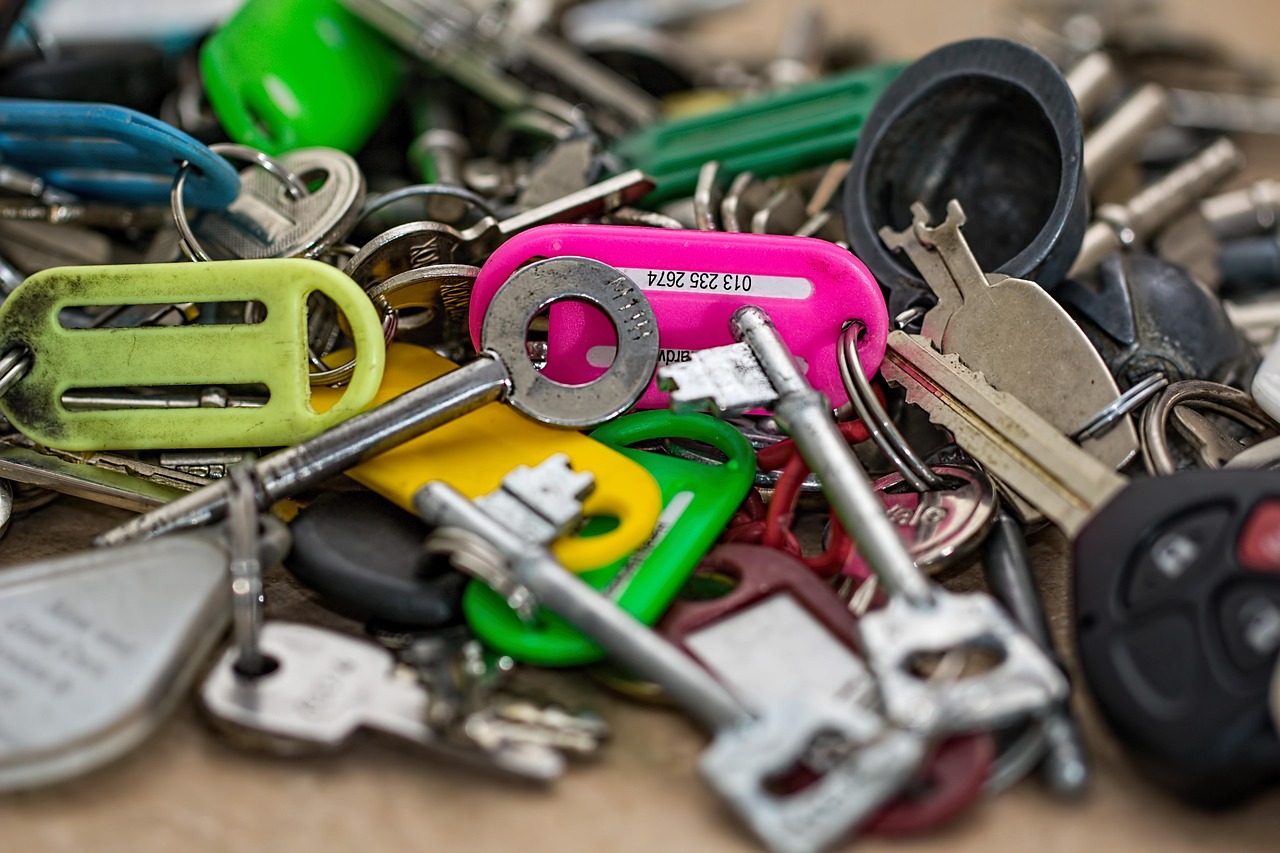
I recently opened my desk drawer and found a stack of thin, magnetic-striped plastic cards. Some were branded with the logos of luxury chains in Tokyo, others were flimsy, unbranded rectangles from a budget guesthouse in Berlin. They are useless now—deactivated, expired, and utterly incapable of opening any door. Yet, I haven't tossed them. There is something strangely magnetic about a hotel key card that transcends its mundane utility. It is an artifact of a specific, fleeting version of 'home' that we occupied for only a few nights.
The Weight of the Temporary Threshold
When we travel, we live in a state of suspended animation. We inhabit spaces that are designed to be forgotten, yet we imbue them with our own narratives. The key card is the physical manifestation of that permission to enter. It is the gatekeeper of our temporary sanctuary. When we keep these cards, we aren't just hoarding plastic; we are hoarding the memory of the relief we felt when we first stepped into a cool, air-conditioned room after a long flight, or the anticipation of the city waiting just outside the elevator doors.
A Museum of Stolen Identities
Each card is a relic of a different version of ourselves. I look at a card from a trip to Chicago in 2017, and I remember who I was then—more anxious, perhaps, or more hungry for adventure. I remember the specific smell of the hotel carpet and the sound of the ice machine down the hall. These cards act as physical anchors for memories that would otherwise drift away into the fog of routine. They are tactile pieces of a map that exists only in our minds.
The objects we keep are rarely about their function; they are about the emotional geography they help us navigate. A hotel key card is a souvenir of a place that no longer belongs to us, and in holding onto it, we try to preserve a small slice of that transient belonging.
The Ritual of the Unused Key
Why do we keep them instead of throwing them away? Perhaps it is a gentle defiance against the transience of travel. We are told to move on, to check out, to vacate. By keeping the key, we perform a small act of rebellion. We suggest that the experience wasn't just a transaction, but a transformation. We keep them because they represent a 'door' that we are not quite ready to close completely.
How to Curate Your Plastic Archives
If you have a drawer full of these remnants, you don't necessarily need to throw them away, but you might want to give them purpose. Consider these ideas for your collection:
- Create a 'travel wall' where cards are pinned alongside photos from the same trip.
- Use them as bookmarks in books you bought while traveling.
- Organize them chronologically in a small box, treating them like a deck of cards that tells the story of your last decade.
Ultimately, these plastic rectangles are the most honest souvenirs we own. They aren't bought in a gift shop; they aren't mass-produced trinkets. They were part of our actual lives, serving as the literal bridge between our nomadic selves and the rest of the world. The next time you find one tucked into your suitcase, don't just see a piece of plastic. See a key to a memory you once lived, and decide if it's a room you still want to be able to enter.