The Archaeology of the Stale Coffee Bean: Why We Hoard Our Bittersweet Remains
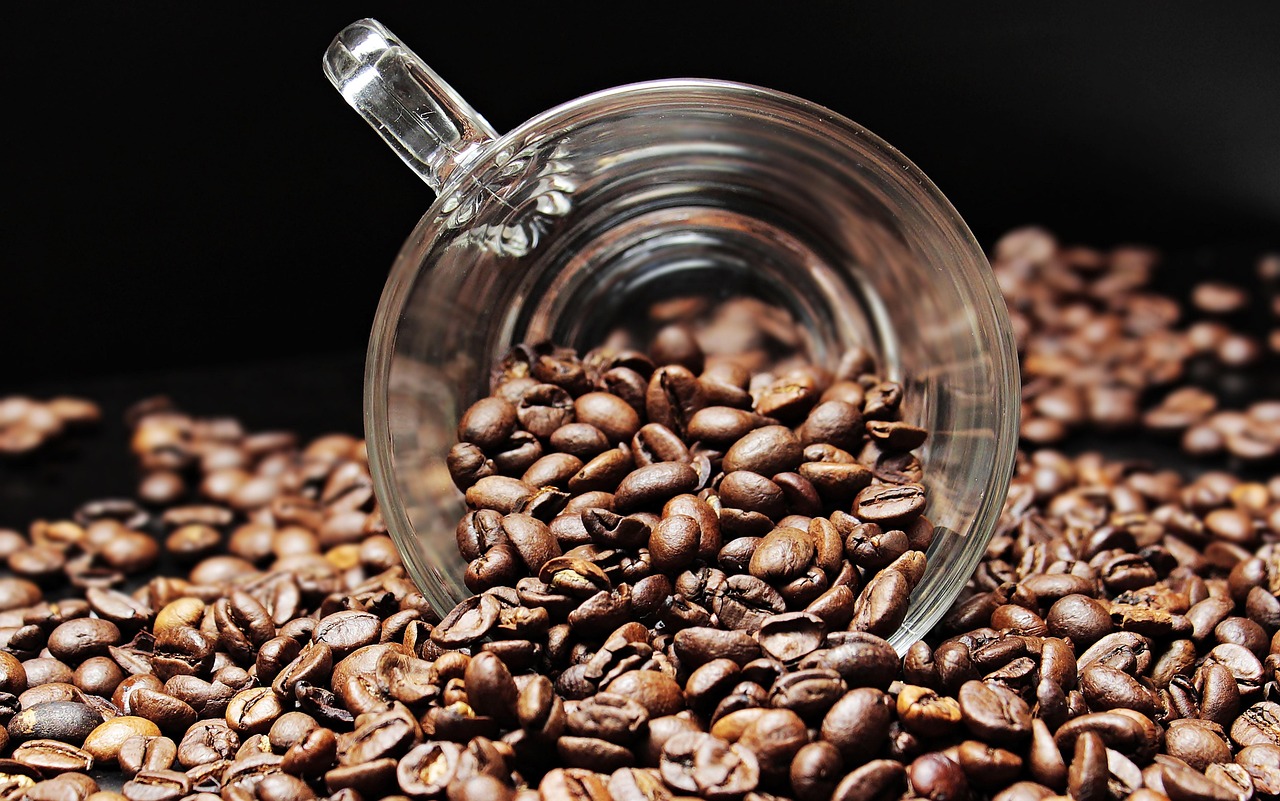
Open your pantry, move the current bag of freshly roasted single-origin beans aside, and dig into the shadows. What do you find? Invariably, it is a half-empty, crinkled bag of coffee beans from a trip three years ago, or perhaps a holiday gift that looked too artisanal to discard. These are the stale coffee beans, the desiccated, oily, or bone-dry remains of a caffeine dream that never quite materialized. They are the archaeological artifacts of our morning rituals, sitting in silence while we reach for something fresher.
The Illusion of the Emergency Reserve
Why do we keep them? The most common excuse is the 'emergency reserve' fallacy. We convince ourselves that there will come a morning of absolute catastrophe—a sudden blizzard, a power outage, or a forgotten grocery run—where this bag of dusty beans will save us from the abyss of decaf. We treat these beans like a survival ration, even though we know deep down that the resulting brew will taste like cardboard and despair. It is a form of self-deception that prioritizes the comfort of preparedness over the reality of flavor.
The Guilt of the Artisanal Purchase
Often, these bags represent a moment of aspiration. We bought them in a quaint cafe in a city we once visited, or perhaps from a local roaster we wanted to support. By throwing them away, we feel we are discarding that memory or that identity as a 'coffee connoisseur.' It is a tangible link to a version of ourselves that had the time to brew a pour-over in the mid-afternoon. To dump them into the bin is to admit that the ritual has changed, and that the aspiration has been replaced by the efficiency of a capsule machine.
The Aesthetics of the Shelf Life
There is also a strange aesthetic appeal to the bean itself. Unlike a dead battery or a frayed cable, a coffee bean is a natural object. It occupies a middle ground between food and object. When we store them in clear glass jars, they look like part of a sophisticated decor scheme. We hoard them because they signify 'home' and 'warmth,' even when the internal chemistry of the bean has long since oxidized into a flavorless husk. They are decorative placeholders for a lifestyle we admire.
The stale coffee bean is a time capsule of an intention, a monument to the morning that never started the way we wanted it to.
The Chemistry of Letting Go
Eventually, the oils in the beans turn rancid, and the aromatic compounds vanish. Keeping them is an exercise in futility that clutters our physical and mental space. If you want to honor the memory of that trip or that roaster, you have to let the physical object go. Consider these steps to finally clear the shelf:
- Evaluate the roast date: If it is older than six months, the flavor profile is effectively gone.
- Compost, don't trash: Give the beans a second life by putting them back into the earth.
- Reflect on the habit: Ask yourself why you didn't use them, and let that guide your future purchases.
Ultimately, the archaeology of the stale coffee bean teaches us that our past intentions are not the same as our current needs. We do not need to hoard the remnants of yesterday's caffeine goals to prove that we love coffee. True appreciation lies in the fresh cup you are brewing right now, not the dusty bag hiding behind the flour. Clear your pantry, refresh your space, and embrace the joy of a truly fresh start.