The Archaeology of the Unread Letter: Why We Hoard Our Stalled Conversations
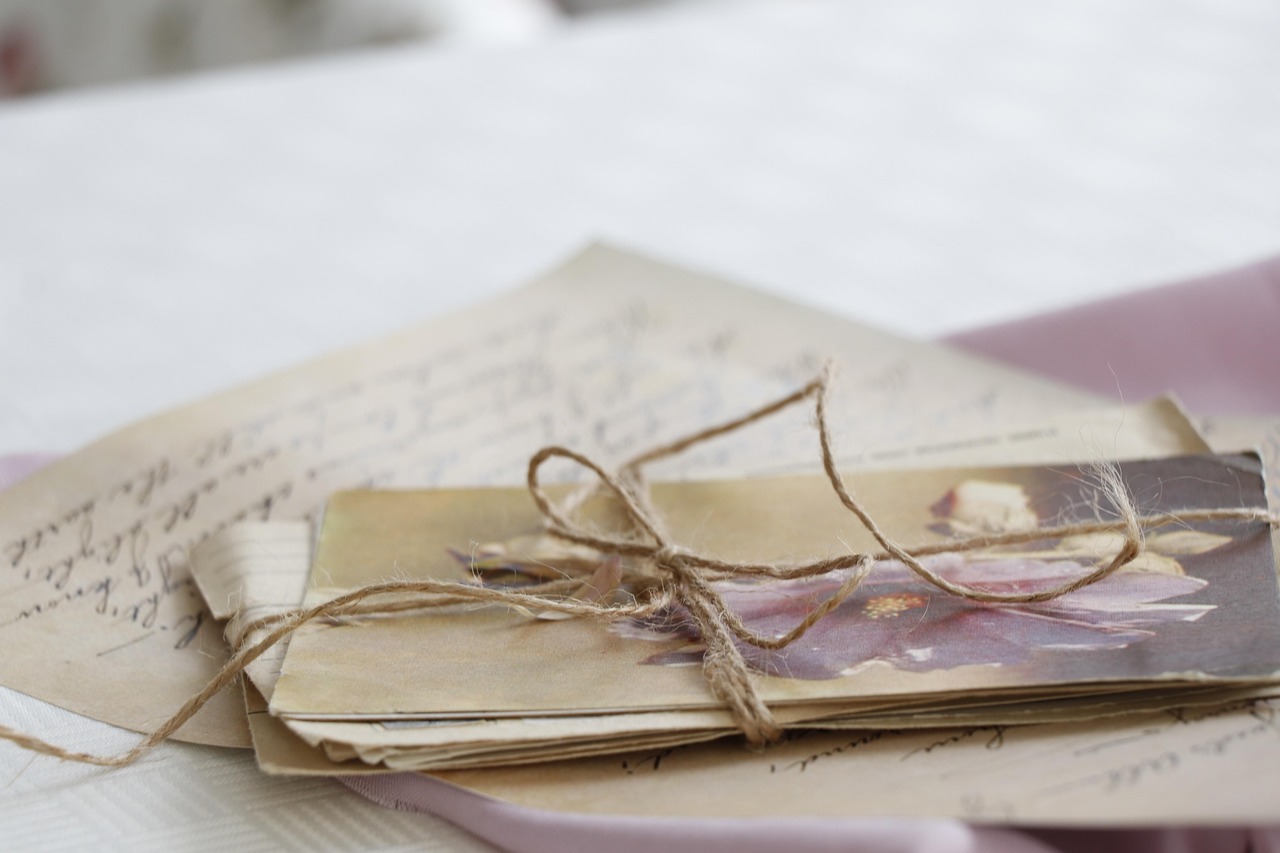
There is a specific kind of weight to a sealed envelope. It sits in a drawer, perhaps buried under old utility bills or beneath a stack of faded photographs, exerting a gravitational pull on your conscience. It is a letter you received years ago, during a time of transition, a breakup, or a cross-country move, and for reasons you might no longer be able to articulate, you never opened it. It remains a frozen moment of communication, a bridge between two people that was built but never crossed. We are hoarders of these stalled conversations, treating them like archaeological artifacts of our own emotional history.
The Anatomy of Avoidance
Why do we keep something we refuse to consume? The unread letter is a powerful psychological object. When an envelope remains sealed, the contents remain infinite. If you open it, you lock the sender’s words into a fixed point in time. You force the ambiguity into a narrative, and often, we aren't ready for that finality. By leaving it sealed, we maintain a strange, suspended reality where the relationship or the sentiment remains in a state of potentiality.
- The fear of bad news that might change our self-perception.
- The desire to preserve the mystery of the sender's original intent.
- The superstition that opening it will officially close a chapter we aren't ready to finish.
The Archive of Potentiality
In our hyper-connected digital age, where every message is timestamped and marked as 'read' with a blue checkmark, the unread paper letter has become a radical act of slowing down. It exists outside the rhythm of modern notifications. When we archive these letters in our physical spaces, we are creating a private museum of people we used to be. The letter represents a version of you that was waiting for a specific piece of news, and by keeping it, you acknowledge that you are still carrying the echo of that moment.
The unread letter is not a failure of communication; it is a monument to the complexity of human timing. It reminds us that we are not always ready to hear what others have to say, and that is a valid part of the human experience.
The Weight of the Paper Trail
There is also a tactile satisfaction to hoarding these physical artifacts. Unlike an unread email—which feels like a chore or a source of anxiety—an unread letter feels like a heavy, precious stone. It has texture, weight, and the scent of another place. It serves as a physical reminder that someone, at some point, cared enough to put pen to paper. Even if the contents are mundane or perhaps even painful, the object itself is a testament to the fact that you were once on someone’s mind.
The Decision to Finally Open
Eventually, the archaeology of these items comes to an end. Whether it happens during a move, a spring cleaning, or a moment of profound personal clarity, the day often arrives when the seal is broken. The experience is rarely what we anticipated. Often, the words inside are much kinder or more trivial than the monsters we built in our minds. But the act of opening it is a release. It allows the stalled conversation to finally flow, turning a static piece of paper into a dynamic memory.
Hoarding unread letters is, in many ways, an act of self-protection, but it is also an act of deep reverence for the people who have drifted in and out of our lives. We keep them because we aren't ready to let go of the version of us that was waiting for those words. Whether you choose to open them today or keep them tucked away for another decade, remember that these paper ghosts are simply evidence that you have lived, loved, and been thought of, even if the timing wasn't quite right.