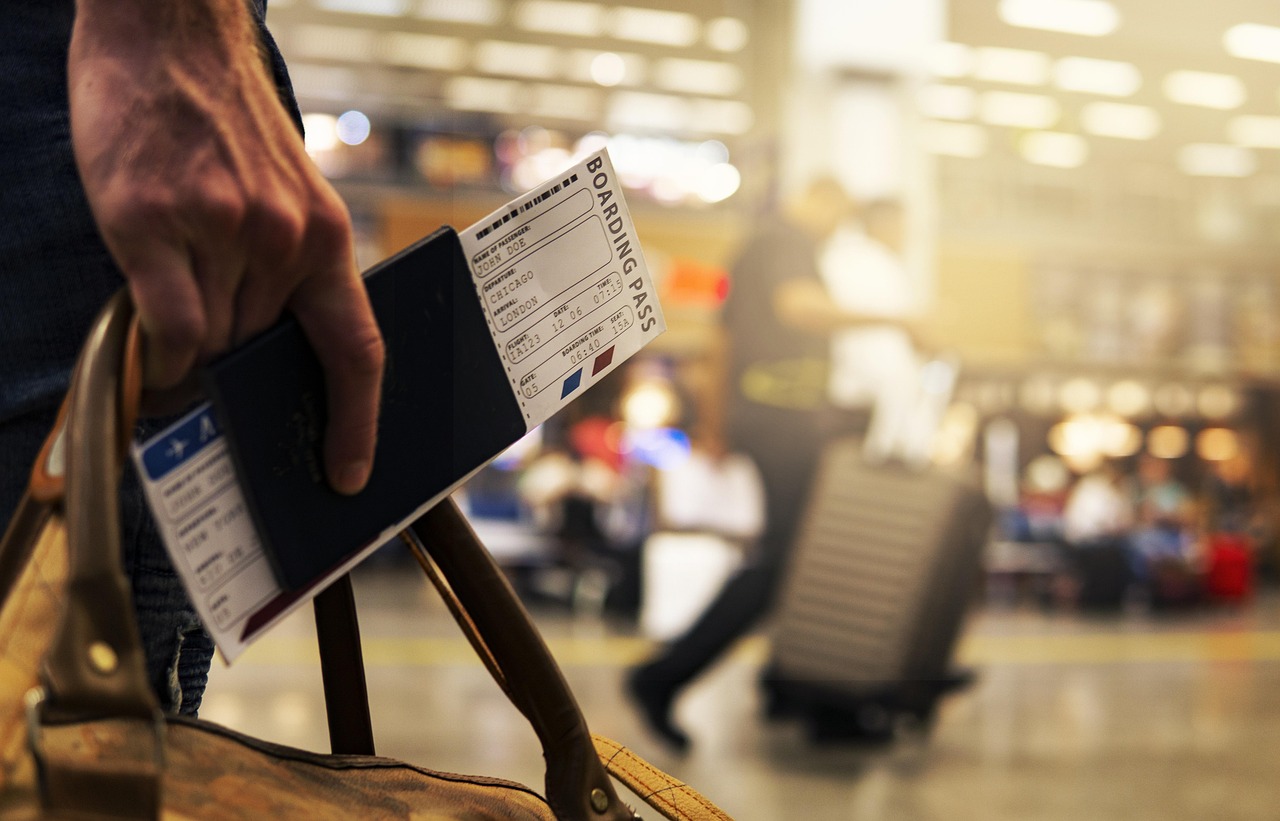
The Archaeology of the Airport Luggage Tag: Why We Hoard Our Paper Passports
The Sticky Relic of Movement
We all have that one suitcase sitting in the back of a closet, still wearing the tattered, neon-colored remnants of a flight taken five years ago. It is a stubborn, adhesive souvenir that refuses to peel away completely. While the airline intended for these tags to be disposable logistics, we treat them like badges of honor. There is a peculiar satisfaction in leaving them on, allowing them to fade and fray through subsequent trips, turning a simple piece of thermal paper into a map of our personal history.
Why do we keep them? Perhaps it is because modern travel often feels transient and intangible. We fly through the clouds, tap our phones to pay for coffee in foreign currencies, and vanish into hotel rooms that look identical regardless of the longitude. The luggage tag is one of the few physical artifacts that proves we were actually there. It is the scar tissue of a journey, a tactile reminder that we moved from point A to point B, traversing borders and time zones.
The Hierarchy of Destinations
Not all tags are treated equally in our personal archives. Some are peeled off immediately, usually the ones from mundane business trips or stressful layovers where the only thing we saw of the city was the inside of a terminal gate. Others are carefully preserved. These are the tags from trips that changed us—the ones to remote islands, bustling metropolises, or family reunions that we desperately wanted to remember.
We subconsciously curate the appearance of our luggage based on these tags. A suitcase covered in a mosaic of international airport codes—CDG, NRT, SFO, DXB—signals a seasoned traveler. It transforms the luggage from a mere container of clothes into an object with a pedigree. It tells a silent story to the person waiting at the baggage carousel, a visual shorthand for our identity as people who go, who see, and who return.
The tag is not merely a tracking device; it is a promise of return. It represents the tension between the urge to leave and the necessity of coming home.
The Fading Ink of Memory
There is a bittersweet quality to the way these tags degrade. The thermal ink, designed to be legible only for the duration of a flight, eventually bleaches under the sun and rubs off against the conveyor belts of the world. The bar codes lose their sharpness, and the city names become indecipherable ghosts. Watching a tag slowly disintegrate is a metaphor for the way memories behave—they lose their high-definition clarity, leaving behind only a general feeling or a vague color palette of a time gone by.
We hoard them because we are afraid of the erasure of the experience. We worry that if the physical marker is gone, the trip itself will eventually lose its weight. By clinging to these strips, we are essentially trying to freeze the momentum of our lives. We are saying that this particular transit, this specific connection, was worth marking in the permanent record of our belongings.
The Ethics of the Peel
There comes a time for every traveler when the bag becomes too cluttered. The tags start to peel at the edges, creating a sticky trap for lint and dust. You reach the point where the suitcase looks less like a globetrotter’s companion and more like a neglected piece of municipal infrastructure. Deciding to remove a tag feels like a betrayal, a final closing of a chapter that you weren't quite ready to finalize.
This act of removal is a ritual of transition. It is the physical manifestation of moving on to the next adventure. We clean the slate, scraping away the residue of past flights to make room for the ink of future ones. It is a necessary clearing of space, both on the suitcase and in the mind, acknowledging that while we honor the past, we cannot live in the terminal forever.
Ultimately, the archaeology of the airport luggage tag teaches us that travel isn't just about the destination; it is about the residue we collect along the way. Keep them until they fall off on their own, or peel them away when you are ready to start fresh, but never forget that every sticky patch was a moment where you chose to be somewhere else.