The Archaeology of the Expired Star Chart: Why We Hoard Our Outdated Universes

The Static Map of a Dynamic Sky
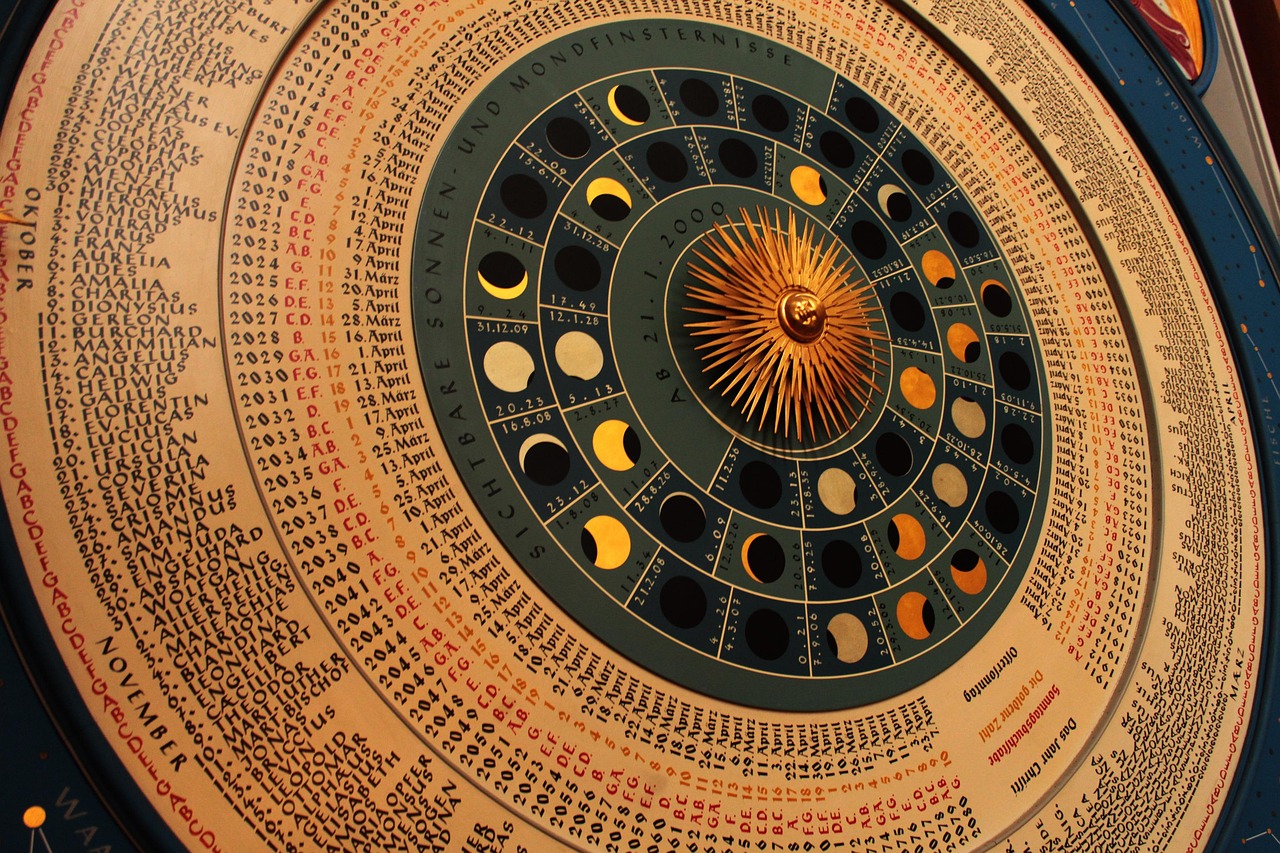
There is a specific kind of melancholy found in the back of a junk drawer or tucked behind a row of dusty encyclopedias: the paper star chart. It is yellowed, perhaps held together by brittle tape, and marked with constellations that seem to have shifted, if only in our own perception. In an era where a quick swipe on a smartphone can show you the exact position of every satellite and planet in real-time, holding a physical, static map of the heavens feels like holding a relic from a lost civilization. We hoard these charts not for their utility, but for the comfort of a frozen cosmos.
When we look at a printed star chart, we are looking at a snapshot of history. Unlike a digital application that updates with the precession of the equinoxes and the movement of the planets, a printed chart captures the sky as it was conceived during a specific decade. It represents a promise that the heavens were permanent, a reliable backdrop to our fleeting lives on Earth. By keeping these charts, we aren't trying to find the North Star; we are trying to find our way back to a version of ourselves that still believed in the stability of the stars.
The Illusion of Celestial Certainty
Throughout human history, we have used the stars to define our borders, our calendars, and our mythologies. The act of mapping the sky was an act of claiming ownership over the infinite. When we buy a star chart, we are essentially buying a guidebook to the house we live in. We keep these physical records even after they become scientifically obsolete because they represent a personal landmark in our cognitive geography. We remember where we were when we first learned to identify Orion’s Belt or the Big Dipper.
There is a unique weight to an outdated map. It reminds us of a time before light pollution obscured our view, or perhaps before our lives became dominated by the glow of screens. Consider the following reasons why we find it so hard to discard these paper relics:
- They serve as tactile anchors to our childhood curiosity about the unknown.
- They represent the physical labor of human observation before automation.
- They hold the aesthetic beauty of vintage scientific illustration.
- They act as a protest against the ephemeral nature of digital data.
To look at an old star chart is to realize that while the stars themselves move, our desire to map them remains the most human impulse of all. We are creatures who fear the void, so we draw lines between dots to make the darkness look like a story we can understand.
The Quiet Echo of Lost Constellations
As we grow older, our internal maps of the world inevitably change. We lose friends, we change careers, and our ambitions evolve. Yet, the star chart remains exactly as it was printed. It is a stubborn, silent witness to the passage of time. There is something profoundly comforting about an object that refuses to change its narrative, even when the rest of the world has moved on. It is an archaeological artifact of our own past aspirations.
Perhaps the reason we keep these charts is that they remind us that failure to navigate the present doesn't negate the beauty of having charted a course in the past. Even if the stars have shifted, the lines we drew between them still exist in our minds. We hold onto these papers because they are evidence that we once stood outside, looked up, and dared to name the chaos above us.
The Takeaway
Ultimately, the expired star chart is less about astronomy and more about the human need to organize the infinite. We hoard these paper universes because they preserve the moment we realized how small we were, and how beautiful that realization could be. Don't throw away that old chart; let it serve as a reminder that even if your own personal sky has shifted, your capacity for wonder remains fixed in the center of your universe.