The Archaeology of the Empty Spice Jar: Why We Hoard Our Spent Flavors
We rarely throw away that last, crusty jar of smoked paprika or long-expired cumin. Discover why these culinary graveyards define our kitchen identity.
The Ghost of Dinners Past
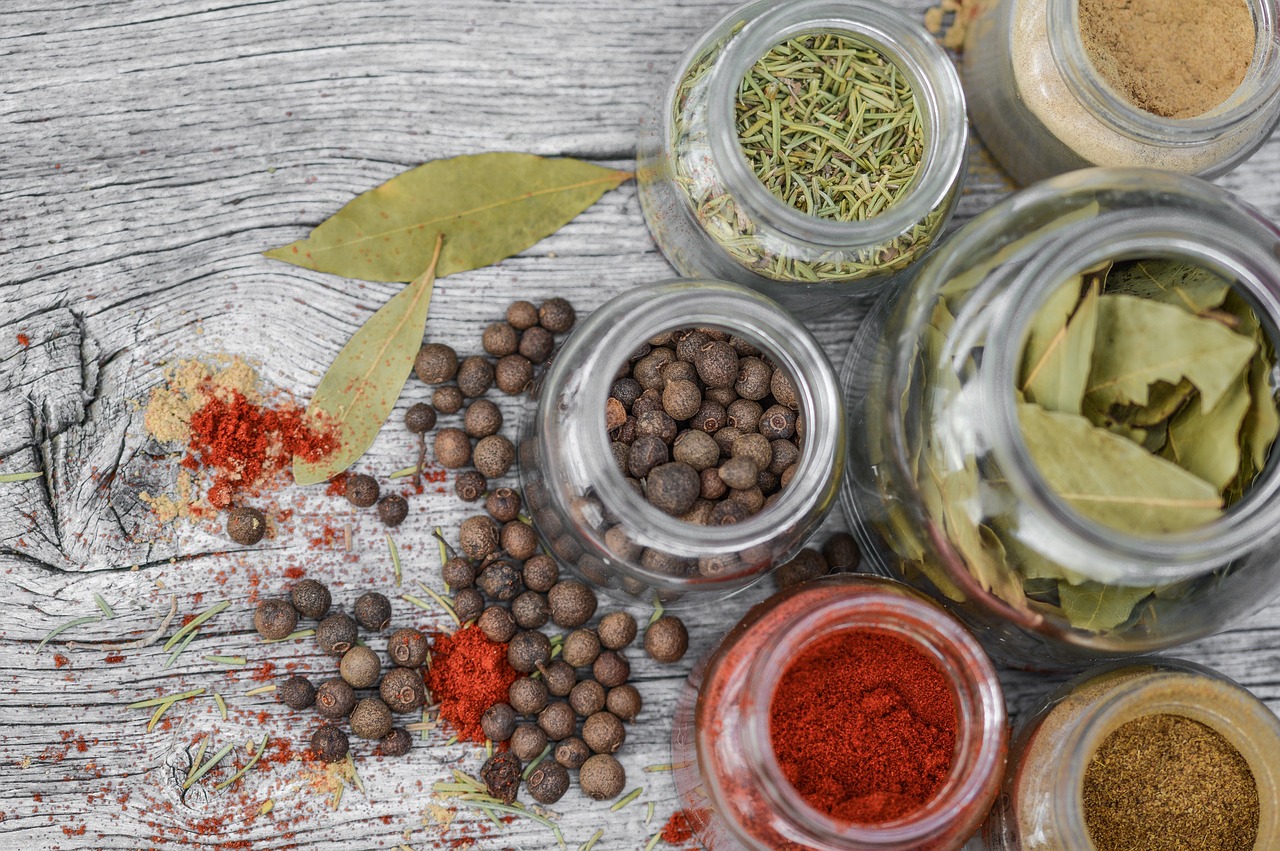
Open your spice cabinet. Go ahead, push aside the fresh, vibrant jars of turmeric and basil, and reach for the very back. There, hiding behind a bottle of balsamic vinegar you bought in 2019, sits a jar. It is half-empty, the label is peeling, and the contents are so solidified they have become a single, geological formation. This is the archaeology of the empty spice jar—a silent, aromatic testament to the meals we intended to make and the people we once were.
We keep these jars not because they are useful, but because they are anchors. Each one represents a specific ambition: the za'atar you bought to make that one recipe you saw on a cooking show; the saffron thread that cost a fortune but was only used for a single, disastrous paella; the cardamom pods that still hold the scent of a holiday long since passed. We hoard these spent flavors because throwing them away feels like admitting defeat, a final closing of a chapter we aren't quite ready to finalize.
The Taxonomy of Culinary Ambition
Our spice racks are essentially museums of failed culinary resolutions. When we look at a jar of ground cloves that hasn't been opened since the last decade, we aren't seeing a seasoning—we are seeing a version of ourselves who had the time, the patience, and the motivation to bake from scratch. These jars track our shifting identities.
Consider the typical distribution of a home spice collection:
- The Reliable Staples: Salt, pepper, and garlic powder. These are the workhorses, constantly replenished.
- The Romantic Aspirations: Smoked paprika, sumac, or star anise. These are the ghosts of recipes we swear we will return to next weekend.
- The Archaeological Artifacts: The curry powder from a house you moved out of three apartments ago.
To keep a spice jar is to keep a promise to your future self that you will one day have the time to cook with intention again.
The Sensory Time Machine
Why do we find it so hard to purge these relics? It is because scent is the most direct line to memory. Even a stale, dusty jar of coriander holds a microscopic amount of volatile oil that, when cracked open, releases a vapor of memory. It transports you back to the Sunday afternoon you spent chopping vegetables while listening to a specific album. The jar is a physical totem of that atmosphere.
When we purge the cabinet, we are performing an exorcism of sorts. We are clearing out the versions of ourselves that never quite materialized. This is why we hesitate. It is easier to live with the clutter of dead spices than to confront the fact that we may never actually make that elaborate Moroccan tagine we pinned on Pinterest five years ago.
The Ritual of the Clean Slate
Eventually, the space runs out. The cabinet door refuses to close, or you move to a new kitchen, forcing a reckoning. This is the moment of the archaeological audit. As you handle each jar, you are forced to reconcile your past intentions with your present reality. You realize that discarding the caked-up cumin isn't an act of wastefulness; it is an act of clearing space for the ingredients you actually use today.
The takeaway here is simple: stop hoarding your culinary ghosts. Your kitchen should be a space for the food you are cooking now, not a graveyard for the meals you intended to cook five years ago. By letting go of the spent jars, you aren't losing your history—you are making room for the flavors of your future.