The Archaeology of the Scratched Vinyl Record: Why We Keep Our Audible Imperfections
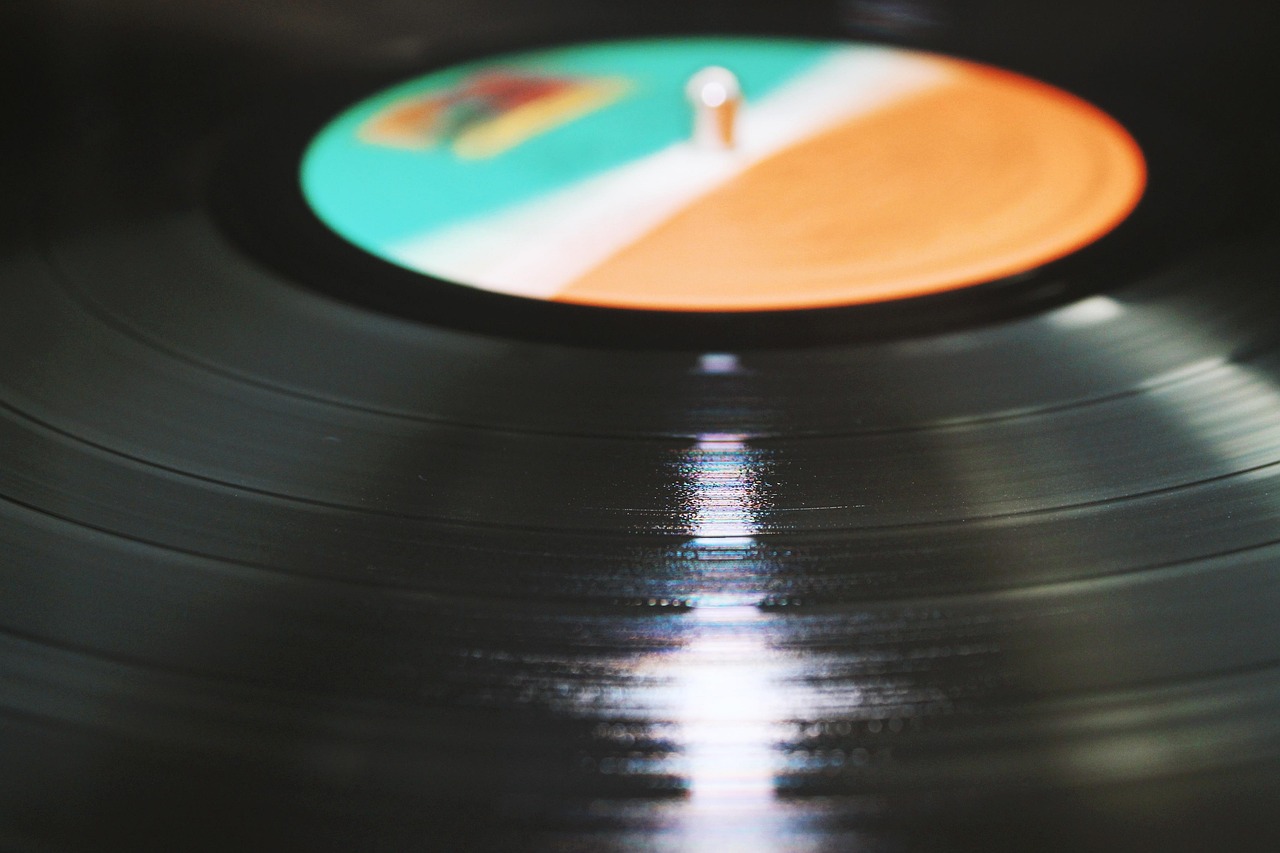
There is a specific, heart-stopping sound that every record collector knows: the rhythmic, persistent pop of a deep scratch. It is the sound of a groove interrupted, a moment in time where the needle hit a barrier. Yet, despite the availability of crystal-clear digital remasters and high-fidelity streaming, many of us cling to these damaged relics. We keep them not in spite of their flaws, but because of them. These scratched records are the archaeological strata of our own personal histories, mapping out the chaotic, messy environments in which we once listened to our favorite albums.
The Anatomy of a Memory
Every scratch tells a story that has nothing to do with the artist's intent. When I pull out my warped copy of a 1970s folk record, I am not thinking about the singer's voice. I am thinking about the cramped apartment in my twenties, the cheap turntable that sat on a pile of books, and the frantic house party that resulted in a glass of wine being knocked over the record player. The scratch is a scar, a tangible reminder of a moment of carelessness that has since become a cherished memory.
- Scratches capture the geography of our living spaces.
- They mark transitions between eras of our lives.
- They serve as physical evidence of our past enthusiasm.
We do not just store music; we store the chaotic, uncurated reality of our pasts. The imperfection is the point.
The Ritual of the Imperfect Listen
There is a unique patience required to listen to a scratched record. You learn to anticipate the skip. You learn to lean into the rhythm, treating the interruption as a percussion element rather than a nuisance. This active participation changes our relationship with the art. We are no longer passive consumers; we are collaborators with our own history. We accept the flawed object as a complete version of the experience, acknowledging that life itself is rarely a seamless playback.
The scratch does not destroy the music; it adds a layer of commentary. It reminds us that we were there, and that we were living, moving, and sometimes stumbling while the music played.
The Preservation of Friction
In a world that is increasingly smooth, digitized, and sterilized, the scratched record stands as a defiant monument to friction. We live in an age where we can undo almost anything with a click. Yet, the scratched vinyl remains permanent. It cannot be edited. It represents a commitment to the reality of the past, warts and all. Keeping these records is an act of acknowledging that our history is not a pristine archive, but a collection of moments that have been lived in, touched, and occasionally broken.
Why We Cannot Let Go
It is easy to discard things that are broken, but we keep these records because they feel like extensions of ourselves. If we were to replace every scratched disc with a pristine new copy, we would lose the tactile map of our own evolution. We are not just hoarding plastic; we are curating the evidence of our own survival. Every skip is a testament: I was here, I was listening, and I was changed by this.
Ultimately, the scratched record teaches us that beauty does not have to be flawless. By keeping these damaged artifacts, we learn to appreciate the grit, the wear, and the unexpected rhythmic interruptions of our own lives. The next time you hear that familiar pop, don't reach for the record cleaner. Listen to the history etched into the vinyl, and remember that the most meaningful parts of life are rarely the ones that play perfectly from start to finish.