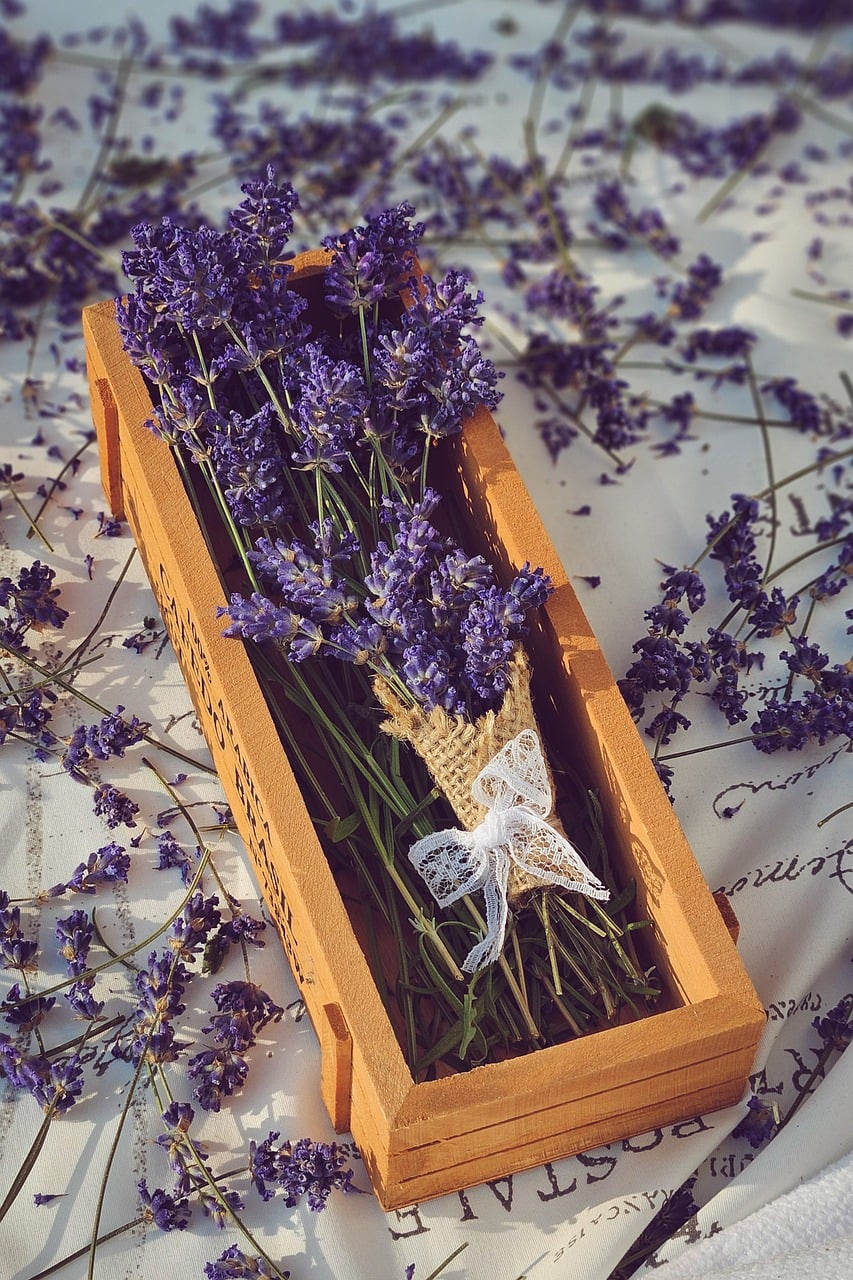
The Archaeology of the Dried Flower Bouquet: Why We Hoard Our Botanical Ghosts
I recently moved a heavy stack of books off my shelf and found, tucked behind a copy of an old novel, a bundle of lavender and baby's breath so brittle it practically turned to ash at my touch. It was a remnant from a birthday bouquet three years ago. I knew I should have tossed it into the bin, yet I carefully placed it back, hidden away like a secret. It turns out, I am far from alone in this peculiar habit of keeping dead vegetation.
The Anatomy of a Memory
When we receive flowers, they are symbols of vitality and the present moment. They represent a specific 'now'—a celebration, an apology, or a simple gesture of affection. By the time they have dried, the biological life is gone, but the symbolic weight remains. We are not hoarding weeds; we are hoarding the atmosphere of a specific calendar day. The dried bouquet serves as a three-dimensional anchor for our memory, far more tactile than a digital photograph.
We often keep these botanical ghosts because:
- They act as physical proof of a social connection.
- They mark a period of transition in our lives.
- The act of drying them feels like a way to cheat the transience of time.
- They retain a faint, dusty scent that triggers sensory nostalgia more effectively than almost anything else.
The Paradox of Preservation
There is a strange, paradoxical beauty in the act of preservation. We take something that was meant to be fleeting and force it into a state of suspended animation. Unlike a photograph, which captures a flat image, the dried flower retains its original volume and form, even if the color has faded into a muted, melancholic palette of browns and grays. It is a slow decay that we observe over months, or even years, which makes the attachment feel more earned.
The flower that blooms in adversity is the most rare and beautiful of all, but the flower that refuses to die is the one that tells our deepest secrets.
When the Bouquet Becomes a Burden
However, there comes a point where the archaeology of the dried bouquet turns into clutter. When the shelf is crowded with dead stems and the petals start to shed like snow on your surfaces, the emotional connection can shift from nostalgic to stagnant. We must ask ourselves if we are holding onto the memory or merely the physical object. If the object no longer sparks the emotion it once did, it may be time to let the dust return to the earth.
Curating Your Botanical Archive
Instead of keeping every single stem you have ever been gifted, try to be more intentional. Keep only those that represent a profound shift or a truly cherished moment. Perhaps you could press a single petal into a diary or frame a small cluster in a shadow box. By curating your collection, you transform a pile of dusty debris into a meaningful archive of your life's milestones.
The takeaway here is simple: your life is a museum, not a landfill. Do not feel guilty for letting go of the items that have finished their job of reminding you of the past. If you find yourself holding onto a dead bouquet, appreciate it for the season it represents, then give yourself permission to release it when the memory has finally settled into your heart, no longer needing the crutch of the physical stem.